
It’s a strange sensation when your parents discover TikTok.
Part of you feels a swell of pride as they embrace new technology. Yet, another part worries about what this means for your carefully curated “For You” page.
(For example: My mother joined last week and has already shared a string of supposed “life hacks” that are utterly useless. I adore her, but if I have to endure another tutorial on the “correct” way to fold a towel, I might actually lose it.)
|
|
This feeling mirrors the one you get when traditional finance (TradFi) starts venturing into the world of cryptocurrency.
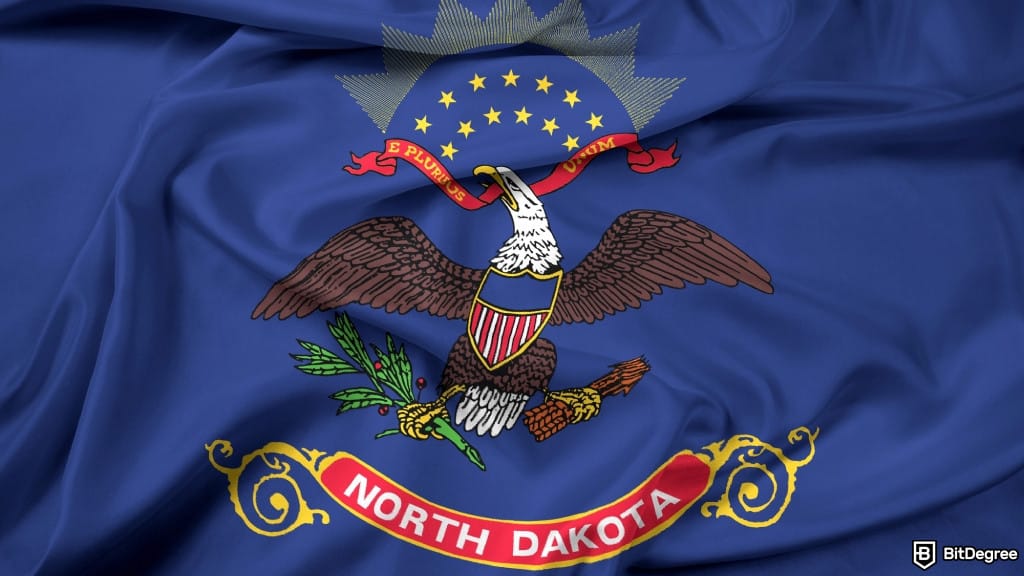
A recent illustration: The Bank of North Dakota revealed plans to develop the Roughrider Coin – a stablecoin backed by the US dollar.
This initiative is a collaboration with Fiserv, a leading payment technology firm that provides software solutions for numerous banks and retail businesses.
The Roughrider Coin is designed to facilitate everyday banking transactions like bank transfers, payments to merchants, and settlements. The planned launch is set for 2026, initially targeting banks and credit unions within North Dakota.
What makes the Bank of North Dakota significant is that it’s the only state-owned bank operating in the United States.
This means a state government is actively embracing crypto infrastructure; potentially utilizing tokenized dollars on a blockchain to streamline financial transactions within conventional finance.
It’s not the first attempt by a state; Wyoming previously launched its stablecoin, the Frontier Stable Token, earlier this year. However, North Dakota’s approach is notable due to the early involvement of a major payments provider.
This signifies that it’s not just a trial project; it represents a significant move toward integrating crypto into the existing financial framework.
Here’s a breakdown of the potential impact:
1/ Regulatory Implications
The minting of a stablecoin by a state-backed bank demonstrates the integration of blockchain-based finance into the mainstream financial world.
This reduces the legal and technical uncertainties for businesses involved in constructing the underlying infrastructure, encompassing Layer-1 blockchains, stablecoin platforms, and on-chain compliance solutions.
2/ Proof of Real-World Tokenization
North Dakota’s strategy reflects the growing trend of placing traditional assets on the blockchain.
Institutions such as BlackRock are already exploring tokenized funds; and now, a US state is tokenizing its currency.
This confirms that on-chain settlement is the future direction of the financial industry.
3/ Competitive Pressure on Private Stablecoins
A state-issued, fully transparent stablecoin, offering FDIC-level protection, poses a challenge to the market dominance of privately issued stablecoins like USDT and USDC.
Even if the Roughrider Coin remains confined to North Dakota, it can encourage private issuers to improve their transparency, decreasing systemic risk within DeFi and boosting investor confidence.
4/ Gateway to Traditional Financial Capital
The increased acceptance of government-backed stablecoins could facilitate the movement of funds on-chain by institutions like banks, pension funds, and insurance providers.
This, in turn, stimulates demand for supporting infrastructure, liquidity pools, and tokenized assets, ultimately supporting long-term growth within the crypto ecosystem.
|

Ultimately, the Roughrider Coin isn’t likely to cause any immediate surge in token prices.
However, its significance lies in its potential to foster trust in the underlying technology of cryptocurrency and to demonstrate that the innovations originating in the crypto space are beginning to influence traditional money movement.
Much like observing your parents on TikTok, you might experience a moment of awkwardness or even surprise. But, in either case, it clearly indicates that the phenomenon has officially entered the mainstream.
|
Now you’re informed. But consider your network – there are probably people who haven’t heard this yet. Who could remedy that situation…? 😃🫵 Share this knowledge and be the well-informed friend we all need! |