
The ongoing discussion centers on whether decentralized platforms or traditional financial institutions are more adept at managing risks associated with the quantum computing era.
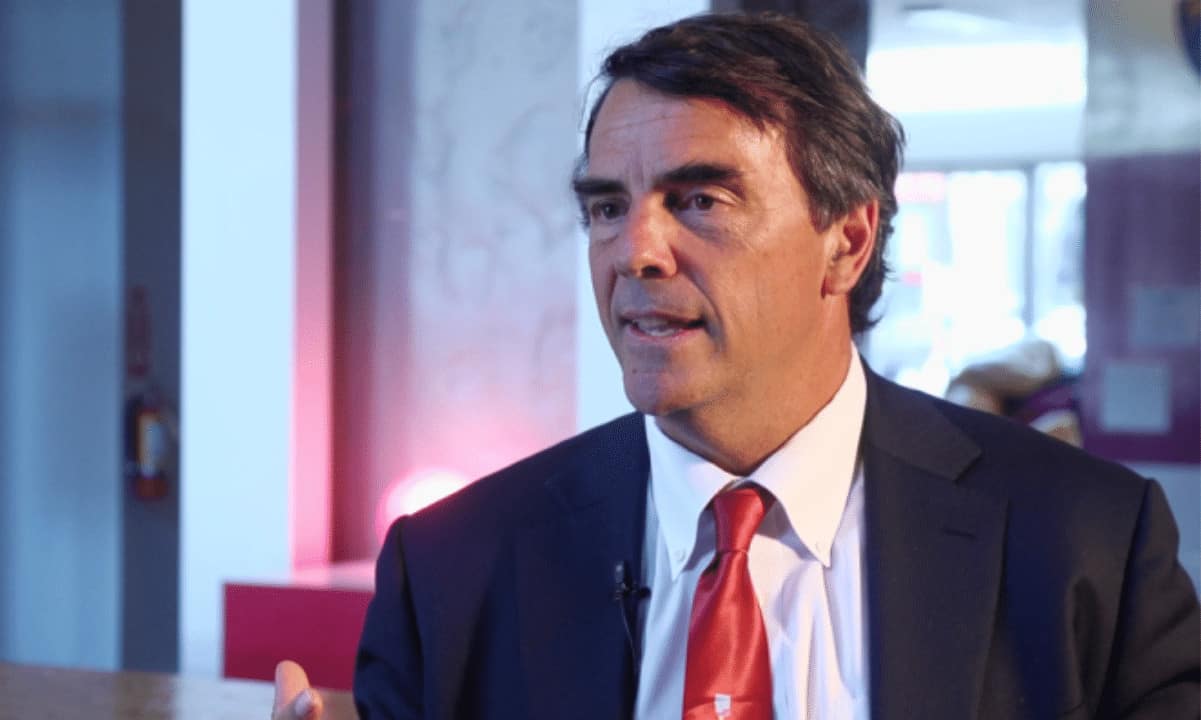
Tim Draper, a venture capitalist, asserts that concerns regarding quantum computing’s potential to undermine Bitcoin (BTC) are unfounded. He emphasizes that conventional banks and the funds within them are at a higher risk of security breaches.
Draper Believes Banks Are at Greater Risk from Quantum Tech Than Bitcoin
In response to worries that quantum technologies could ultimately disrupt BTC’s encryption, Draper highlighted that banks utilize outdated systems that are more vulnerable compared to the robust Bitcoin network.
“Quantum will compromise the banks long before it impacts the blockchain,” he shared on X. “There’s a lot of anxiety about quantum breaking Bitcoin’s security while banks are still operating on legacy systems that make Bitcoin resemble Fort Knox.”
Draper also contended that in the unlikely event of a disruption to the Bitcoin network, full node operators could revert to a prior secure block, a luxury that banks do not possess.
The concept of rolling back deserves careful consideration. While such a process could be technically feasible, it requires consensus among various node operators and miners, typically being a last resort. Furthermore, this approach is at odds with Bitcoin’s promise of immutability, a dilemma that Draper did not address explicitly.
BTC investor Lark Davis supported Draper’s broader viewpoint, noting that employing “basic security measures” would render their assets safer than cash in the bank, provided their keys weren’t compromised. He also emphasized that quantum advancements threaten all legacy security frameworks, suggesting that scrutiny should not be limited to cryptocurrencies.
Draper reiterated his longstanding belief that Bitcoin will eventually surpass the dollar. He articulated this view during a Crunchbase interview earlier in the year, predicting that a time would come when retailers would “only accept Bitcoin,” leading to a potential rush away from the dollar. Reflecting his confidence, he forecasted in April that BTC could reach $250,000 within 18 months.
You May Also Like:
A Complex Perspective from Security Experts
The potential threat of quantum computing to Bitcoin has been thoroughly examined by various experts, including on-chain analyst James Check. In April, he argued that the often-cited number of 6.3 million BTC with exposed public keys exaggerates the actual danger.
According to him, active entities like exchanges and custodians that bear the brunt of this exposure are actively developing solutions to mitigate risks. This means that the genuinely vulnerable portion is around 1.716 million BTC in old Pay-to-Public-Key addresses, most of which are presumed to be permanently lost from Bitcoin’s initial blocks.
Conversely, Draper’s viewpoint on infrastructure stands in contrast to security expert Jameson Lopp’s. Co-founder of Casa and co-author of the BIP-361 proposal to secure quantum-vulnerable addresses, Lopp contends that banks can adapt to quantum risks “much more quickly” than Bitcoin, given that the cryptocurrency requires widespread decentralized agreement for any protocol modifications.
He estimates that it could take up to a decade for Bitcoin to transition to quantum-resistant cryptography. This divergence of views presents a significant challenge: Draper believes banks will falter first, whereas Lopp considers Bitcoin’s sluggish upgrade process to be the more pressing issue.