
According to 21shares, this could prompt a merging of layer 2 networks. The firm stated in a research report, “The upcoming year is expected to signify the consolidation of Ethereum’s L2: a more streamlined and resilient layer, strengthened by ETH-aligned, exchange-supported, and high-efficiency networks.”
The Quantum Challenge
Simultaneously, a long-standing issue—often debated but rarely pressing—has risen in importance: Quantum Computing.
The Ethereum Foundation has indicated a change in direction, placing more focus on initiatives like ‘LeanVM’ and post-quantum signature technologies. What was once regarded as a far-off concern, nearly academic in nature, is now being integrated into immediate plans.
The implications were significant: the network is not merely preparing for the next development phase but is also acting to mitigate risks that could potentially compromise its cryptographic foundations. The foundation has indicated it is taking these risks seriously, initiating specialized research aimed at enhancing post-quantum security.
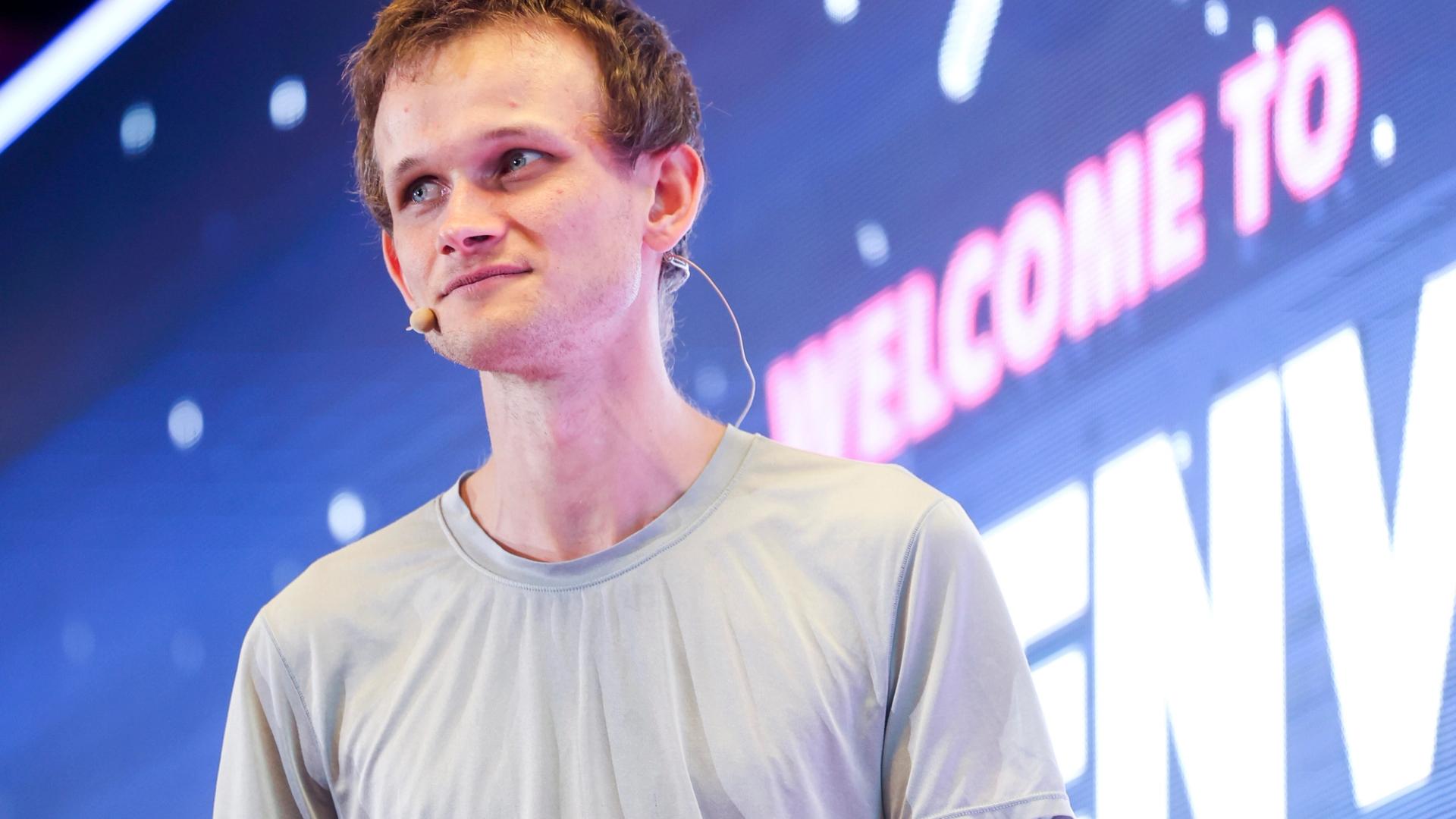
Vitalik Buterin has also presented a strategy to safeguard the blockchain against long-term hazards associated with quantum computers.
Internal Changes
As concerns over scaling revealed vulnerabilities in Ethereum’s current state, the looming quantum threats introduced a layer of uncertainty about its future, signifying the network’s serious approach to these dangers.
Subsequently, changes occurred within the organization.
The exit of Tomasz Stańczak as co-executive director of the Ethereum Foundation indicated more than just a shift in leadership. At a time when the network is undergoing technical, strategic, and philosophical assessments, even minor adjustments in leadership can signal significant recalibrations ahead.