
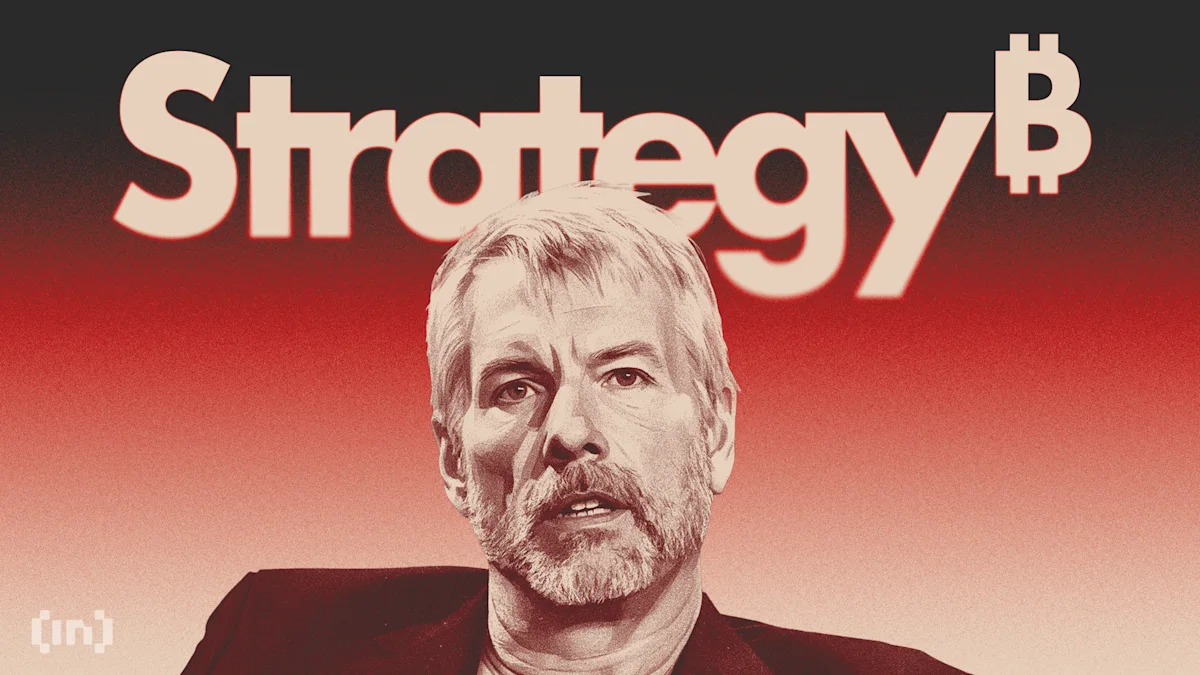
Michael Saylor advocates for U.S. banks to hold Bitcoin (BTC) on behalf of customers and extend loans backed by it. He believes that digital assets could evolve into a $100 trillion industry.
Saylor leads MicroStrategy (now called Strategy), a software company recognized for its Bitcoin acquisitions. He outlined this vision in a policy statement following his remarks at the Bitcoin Policy Institute’s Freedom Tech DC summit this week.
Proposals for Bitcoin Management by Banks
Saylor proposes that banks provide custody services, where they hold Bitcoin for clients. He also believes banks should offer loans secured by this Bitcoin with established and transparent regulations.
He argues that existing global capital regulations are obstacles, particularly the Basel framework, which dictates how much capital banks need to reserve for their assets. This framework assigns a shocking 1,250% risk weight to the most precarious categories of crypto holdings.
Saylor highlights this figure as a stark example of the current treatment of cryptocurrencies. He has called upon regulators to differentiate among three main activities. These are:
He anticipates that the embrace of Bitcoin by banks will serve as a crucial catalyst for growth. According to him, enhanced competition among banks for Bitcoin customers would attract new investments into an asset with a fixed supply.
MicroStrategy has already begun evaluating financial institutions through its Bitcoin Banking Adoption Index, which indicated a 32% adoption rate among major banks as of July.

Nevertheless, the stance among major banks remains divided. JPMorgan CEO Jamie Dimon has publicly dismissed Bitcoin as a “pet rock,” although Phong Le, CEO of Strategy, claims that Dimon is more supportive behind closed doors.
“The era of Digital Assets and Digital Intelligence necessitates a digital rights framework instead of a framework laden with restrictions,” he stated.
Stay updated by following us on X for the latest news as it breaks.
Understanding Saylor’s $100 Trillion Projection
Saylor links this projection to the rise of artificial intelligence (AI). He envisions AI agents—software that functions on behalf of individuals—conducting research, negotiating deals, and making purchases for their users.
Such a digital economy would require transactional capabilities that operate at electronic speeds round-the-clock. He contrasts this with the current financial system, which relies on human identities and operational hours.
Saylor argues that Bitcoin and similar digital assets are well-suited for this environment. He assesses the industry’s potential at an impressive $100 trillion but refrains from providing a specific timeline for achieving this milestone.
Why Saylor Is Focusing on Regulatory Bodies Instead of Congress
This emphasis follows a setback. On September 15, the Senate voted 49-50 against proceeding with the CLARITY Act, a proposed law that aimed to establish regulations for U.S. cryptocurrency markets.
Saylor believes the bill was overly focused on restrictions. He now perceives the best route forward over the next two years involves engaging with the SEC, the Commodity Futures Trading Commission (CFTC), the Treasury, and the White House.