
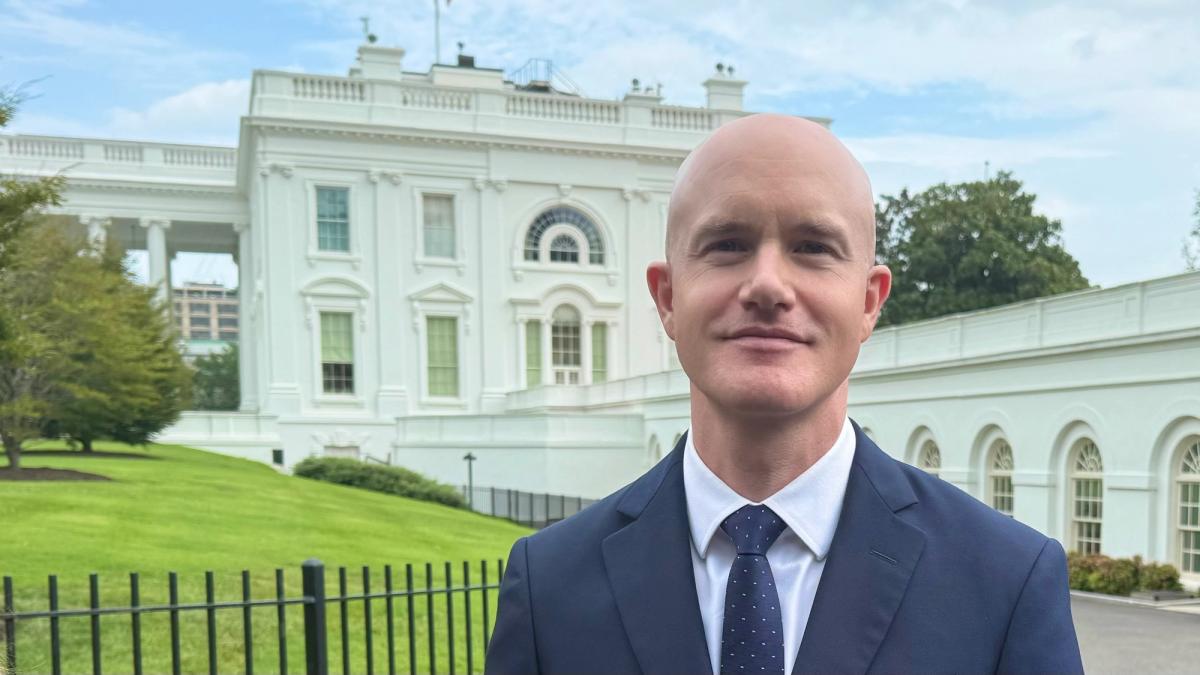
“We’ve seen significant bipartisan agreement, with extensive contributions from both parties,” he remarked, noting the support from law enforcement agencies, financial institutions, and cryptocurrency firms. He stated that the critical concerns initially raised by Coinbase “have now been addressed.”
However, one outstanding aspect is the legislation’s ethics guidelines pertaining to elected officials who possess digital assets. When questioned about whether the bill sufficiently tackles potential conflicts of interest, Armstrong mentioned that “the specifics are still under discussion and negotiation.”
He added that the White House has already proposed a strong ethics clause, while Democrats “are seeking something slightly more rigorous, including divestiture.”
Armstrong expressed optimism, saying that both parties “seem very close to reaching an agreement.”
He responded to remarks from JPMorgan’s CEO Jamie Dimon, who accused Coinbase of leveraging the stablecoin aspects of the bill for regulatory advantages over banks.
While not directly mentioning Dimon, Armstrong suggested that critics representing major payments companies are dealing with a “competitive challenge” and are “looking out for their own interests.” He highlighted that firms like Goldman Sachs, BNY Mellon, and Fidelity are in support of the bill.
Additionally, Armstrong emphasized the potential of agentic finance as a burgeoning growth sector, stating it’s “still in the early stages, but that’s the significant total addressable market on the horizon.” In this context, TAM refers to the total market opportunity available if a product or service were to capture 100% of the demand within a specific market.