
As noted by Yakovenko, this approach stands out as one of the most cost-effective methods for investors to protect their digital holdings.
Inherent Vulnerabilities
The remarks from the co-founder of Solana underscore a critical flaw in cryptocurrency security: attackers do not need to breach blockchain systems to seize digital assets.
Instead, they can deceive cryptocurrency owners into granting them access to their holdings.
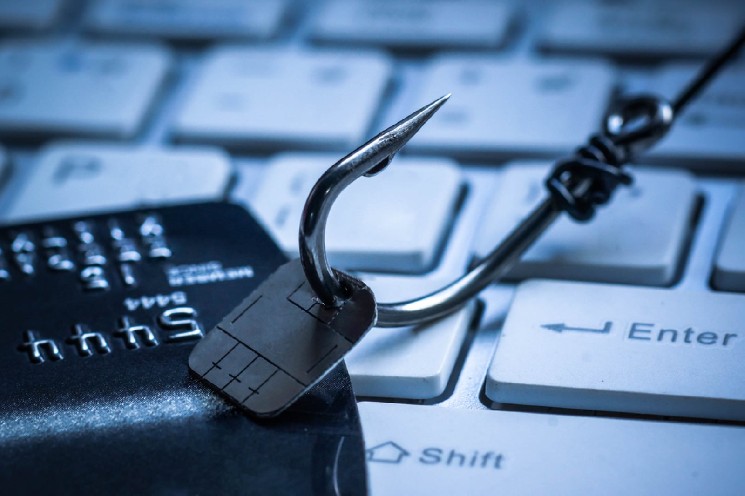
Phishing occurs when malicious emails, websites, or messages are utilized to trick individuals into disclosing confidential data, including crypto wallet recovery phrases and account details.
Social engineering is a broader term that encompasses techniques by which hackers manipulate victims into taking actions that undermine their security.
The Binance Breach and Related Events
Yakovenko’s insights are vividly illustrated by the significant breach at Binance.
On October 29, Binance, the world’s leading cryptocurrency exchange, experienced a security incident that impacted approximately $6.34 billion worth of digital assets.
An update by Binance on November 3 revealed that the hackers conducted a highly orchestrated social engineering scheme, which included pretended job interviews to compromise employees.
A Binance software engineer fell victim to individuals posing as representatives from a fictitious organization. The Binance staff member participated in several fake job interviews and was persuaded to download what appeared to be a legitimate technical assignment.
However, the file contained harmful code, enabling the hackers to infiltrate the employee’s computer.
The attackers then exploited the compromised machines, stolen credentials, and an internal AI tool to gain access to Binance’s wallet systems.
This ultimately facilitated their unauthorized transfer of cryptocurrency from the exchange’s hot wallets.
On November 4, the Security Alliance (SEAL) published a report indicating that its security team addressed 99 incidents between October 28 and November 3.
Among those incidents, three involved fraudulent customer support calls, resulting in losses of around $1.57 million and 1.12 BTC during that period.
One scam included impersonators of Apple support who managed to steal a victim’s Apple ID credentials. This victim had kept their crypto recovery phrase in cloud storage. In another case, a victim disclosed their wallet recovery phrase during a deceptive Telegram support conversation.
During this timeframe, the group also identified 5,137 phishing domains.