
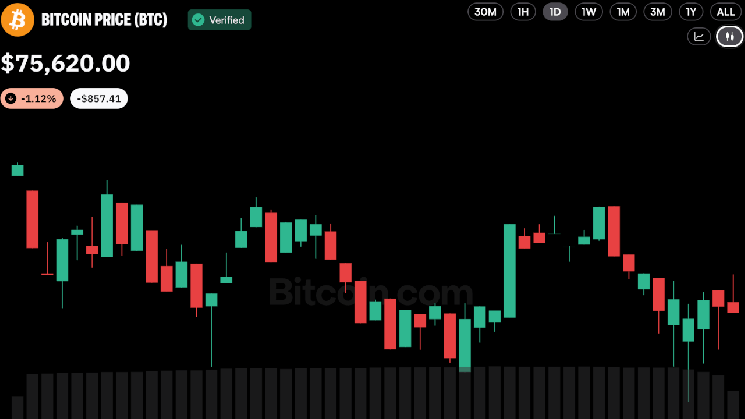
Even with ongoing market challenges, the price movements of bitcoin following the U.S. midterm elections have been linked to a significant drop in liquidations. Data from Coinglass indicates that total bitcoin liquidations reached $125 million, with long positions constituting around $105 million of that total.
In the larger cryptocurrency landscape, overall liquidations decreased to $470 million, a sharp reduction from over $1 billion the day prior.
The markets swiftly countered an initial rally after the elections as reports emerged that Democratic lawmakers planned to scrutinize artificial intelligence (AI) companies, notably data center operators, due to mounting voter concerns. This news unsettled investors already wary about substantial investments in AI, leading to a sell-off that impacted Asian equity markets by early Friday.
As detailed by Bitcoin.com News, South Korea’s KOSPI index experienced a drop of nearly 9%, triggering a temporary trading halt, while major indices in Japan and Taiwan also reported significant losses. This follows a substantial decline in American markets on Thursday, where the so-called Magnificent 7 stocks collectively lost $1 billion in market value.
Experts Highlight AI Investment Risks and Stricter Financial Environments
Analysts from Bitunix have raised alarms regarding various pressures on U.S. markets. In a fresh research report, they pointed out that worries about returns on AI-related capital spending, data center regulations, and the unwinding of heavily leveraged positions have converged, leading to sharp declines in technology and semiconductor sectors.
The analysts noted a trend of capital being directed toward short-term U.S. Treasuries and money market funds, with assets in these funds reaching an all-time high of $8.016 trillion. This trend indicates that investors are increasingly favoring liquidity and a more defensive approach.
Reflecting on the ramifications of the downturn in technology stocks, Bitunix analysts stated:
“Significantly, the sell-off in technology stocks has tempered market predictions for a Federal Reserve rate hike in December. This implies that the tightening effects from the markets might lessen the necessity for further monetary restrictions.”
Looking forward, the analysts emphasized that the pressing issue is not solely whether inflation stays high, but if rising energy costs lead to broader price increases and whether a slowdown in AI investment impacts corporate financing and employment levels.
They added that the challenge for central banks globally goes beyond merely controlling inflation to also preventing tighter financial conditions and economic slowdown from exacerbating each other.