

The Core Foundation, the group responsible for the Core blockchain, is rolling out an innovative revenue-sharing system for the Web3 space. This program aims to revolutionize how stablecoin creators and application builders secure funding.
Dubbed Rev+, this initiative presents itself as the first protocol-level mechanism to directly compensate developers, stablecoin issuers, and decentralized autonomous organizations (DAOs) based on the value they bring to users. Once active, Rev+ enables projects to earn revenue derived from user-generated transaction fees (gas) on their blockchain applications.
This system could offer a dependable revenue source for developers, who previously often had to launch new cryptocurrencies simply to fund their projects.
Hong Sun, the institutional lead at the Core Foundation, stated, “Stablecoins represent a significant portion of decentralized finance (DeFi) revenue,” adding:
“However, those who issue these stablecoins don’t directly profit from transaction activity. Rev+ will address this by better aligning incentives, ensuring that projects that drive Web3 usage are fairly compensated when their digital assets are utilized.”
Related: Early Bitcoin Holder Moves Billions After a Decade of Inactivity
How the Rev+ Program Functions
The Core blockchain functions as an Ethereum Virtual Machine (EVM)-compatible staking protocol built on Bitcoin’s foundation.
Transactions executed via Core smart contracts—including stablecoin swaps, collateral transfers, or interactions with digital vaults—will generate ongoing revenue for stablecoin issuers. This revenue will be distributed either through direct payments following specific transactions or via a shared revenue pool.
The revenue pool is calculated based on the level of contribution to the Core blockchain, taking into account factors like the total transaction count, the number of new unique addresses, the total value exchanged, and total transaction fees.
Rich Rines, a founding contributor to Core DAO, explained to Cointelegraph that the revenue pool is “distributed among participating partners during designated cycles.” He also mentioned:
“While the initial size of the pool may be limited, Rev+ establishes a stable, usage-driven monetization model intended to expand as the Core network grows.”
Related: Bitcoin Surpasses Amazon’s Market Value, Now Fifth Largest Asset Globally
More Collaboration Needed in Crypto Economics
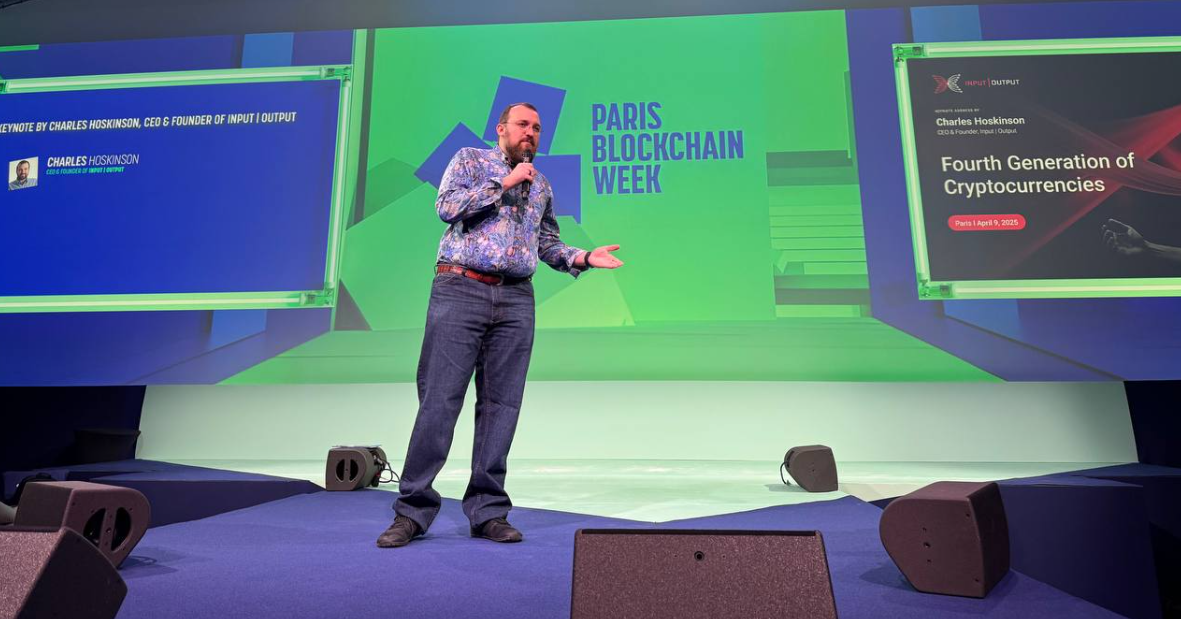
Leading voices in the crypto space, such as Cardano creator Charles Hoskinson, have previously advocated for greater collaboration and economic incentives to better compete against the ever-growing influence of centralized technology corporations moving into the Web3 arena.
The DeFi industry’s closed-loop system often leads to a situation where a cryptocurrency’s growth is fueled by funds being diverted from another digital asset, effectively restricting industry-wide expansion, Hoskinson noted at Paris Blockchain Week 2025.
“The fundamental issue with how things are currently structured within the cryptocurrency world is that tokenomics and market structure are inherently competitive. It’s a zero-sum game,” said Hoskinson.
“Instead of fighting amongst ourselves, we need to develop tokenomics and market structures that allow for cooperative equilibrium.”
Magazine: Are Crypto Companies Recreating the Banking System in the Stablecoin Arena?