
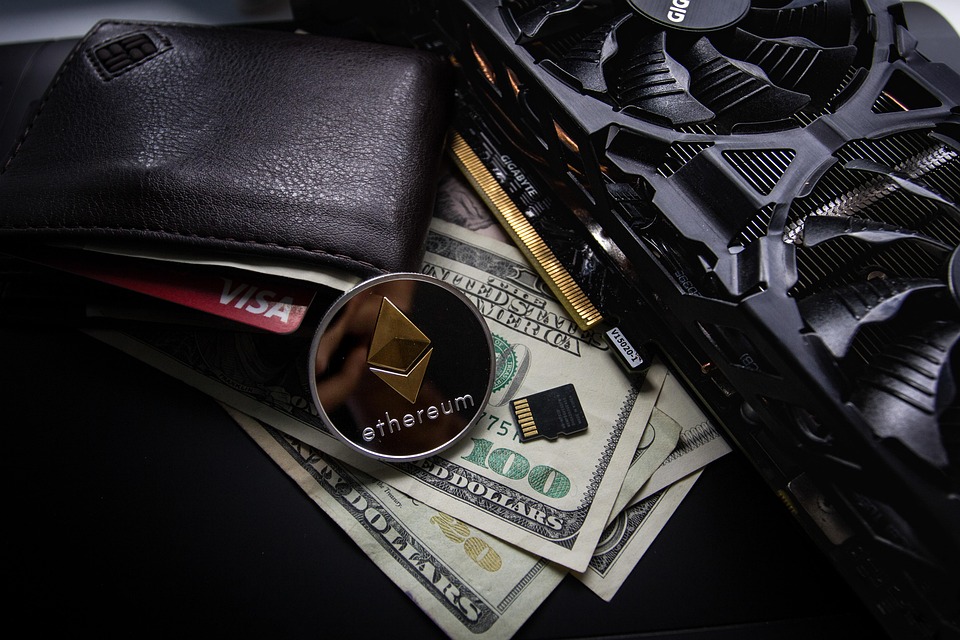
Altcoins 101: What You Need to Know About Alternative Cryptocurrencies
In the world of cryptocurrency, Bitcoin is often the first name that comes to mind. However, it’s not the only player in the game. Alternative cryptocurrencies, also known as altcoins, have been gaining popularity and attention in recent years. In this article, we’ll delve into the world of altcoins, exploring what they are, their benefits and risks, and what you need to know before investing.
What are Altcoins?
Altcoins are alternative cryptocurrencies that were created as alternatives to Bitcoin. They are often designed to improve upon the limitations and shortcomings of Bitcoin, such as scalability, speed, and functionality. Altcoins can be created using various methods, including forking the Bitcoin protocol, creating a new blockchain from scratch, or using existing blockchain platforms.
Types of Altcoins
There are several types of altcoins, each with its own unique features and purposes. Some of the most common types of altcoins include:
- Forkcoins: These are altcoins that are created by forking the Bitcoin protocol. Examples include Bitcoin Cash and Bitcoin Gold.
- Platform coins: These altcoins are designed to support decentralized applications (dApps) and smart contracts. Examples include Ethereum and EOS.
- Privacy coins: These altcoins are designed to provide greater anonymity and privacy for users. Examples include Monero and Zcash.
- Gaming coins: These altcoins are designed for use in online gaming platforms. Examples include GameCredits and SkinCoin.
- Tokenized assets: These altcoins represent real-world assets, such as gold or real estate. Examples include DigixDAO and Tether.
Benefits of Altcoins
Altcoins offer several benefits, including:
- Innovation: Altcoins often introduce new features and technologies that can improve upon the limitations of Bitcoin.
- Diversification: Investing in altcoins can provide a diversification of your cryptocurrency portfolio, reducing dependence on a single asset.
- Lower barriers to entry: Altcoins often have lower barriers to entry than Bitcoin, making it easier for new users to join the market.
- Faster transaction times: Some altcoins offer faster transaction times than Bitcoin, making them more suitable for everyday transactions.
Risks of Altcoins
While altcoins offer several benefits, they also come with significant risks, including:
- Volatility: Altcoins can be highly volatile, with prices fluctuating rapidly.
- Lack of adoption: Many altcoins struggle to gain widespread adoption, which can make them less valuable.
- Security risks: Altcoins can be vulnerable to security risks, such as hacking and 51% attacks.
- Regulatory risks: Altcoins may be subject to regulatory risks, such as government bans or restrictions.
Investing in Altcoins
If you’re considering investing in altcoins, here are some tips to keep in mind:
- Do your research: Research the altcoin thoroughly, including its technology, team, and roadmap.
- Set a budget: Set a budget and stick to it, avoiding over-investing in a single asset.
- Diversify: Diversify your portfolio by investing in multiple altcoins.
- Keep an eye on market trends: Keep an eye on market trends and adjust your investment strategy accordingly.
Conclusion
Altcoins are an exciting and rapidly evolving space, offering a range of benefits and opportunities for investors. However, they also come with significant risks, and it’s essential to approach investing in altcoins with caution and careful consideration. By understanding the different types of altcoins, their benefits and risks, and investing wisely, you can make informed decisions and potentially reap rewards in the world of alternative cryptocurrencies.