
By Orit Naomi, RTN staff writer – 7.17.2025
Cryptocurrencies, once relegated to the realm of speculative investments, are steadily emerging as a viable payment method in the food service sector. While adoption is still nascent, an increasing number of restaurant owners are considering crypto not merely as a novelty, but as a valuable asset, offering advantages such as reduced transaction costs and novel avenues for engaging with patrons.
Recent figures highlight this growing trend. A 2025 report from Triple-A indicates that over 28% of American adults, or approximately 65 million individuals, now possess cryptocurrency. Furthermore, 14% of those who don’t currently own crypto plan to acquire it within the next year. On a global scale, more than 500 million people hold digital currencies, and the use of digital payment systems, including those supporting cryptocurrency, is projected to rise by over 80% between 2024 and 2026.
Although consumer usage remains far from widespread, its upward trajectory signifies growing importance for restaurants, especially those targeting younger, tech-savvy demographics. The opportunity lies not only in facilitating direct payments but also in utilizing blockchain technologies for loyalty programs, marketing campaigns, and improved operational efficiency.
Several well-known restaurant chains have started exploring this arena. Starbucks took an early lead, partnering with Bakkt to enable users to convert Bitcoin into U.S. dollars for loading onto the Starbucks app. Although this system does not enable direct crypto payments, it simplifies the process and bridges the gap between digital assets and conventional spending methods.
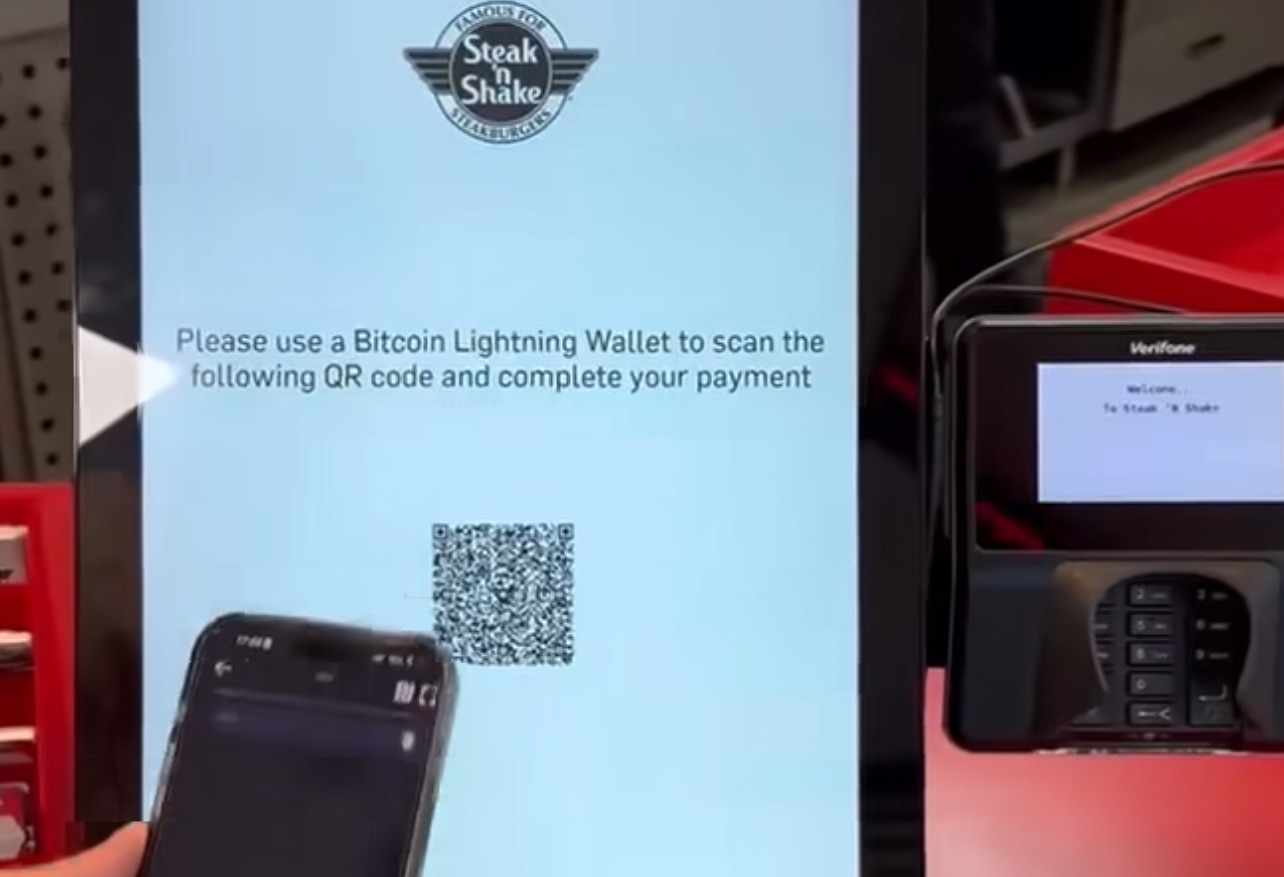
This summer, Steak ’n Shake embraced a more direct approach by implementing Bitcoin payment capabilities across all of its U.S. establishments. Patrons can now pay by scanning QR codes that link to their crypto wallets, such as Coinbase or BitPay. The restaurant chain’s decision to accept cryptocurrency forms part of a larger digital transformation initiative designed to attract younger customers. Company representatives report that customers are also starting to offer crypto tips, and pilot programs are underway to evaluate blockchain-based loyalty schemes.
Other brands are proceeding more cautiously. Burger King hasn’t implemented crypto payments company-wide, but franchisees in regions like Venezuela and Germany have experimented with the concept. In the U.S., the company has launched crypto-themed promotions in collaboration with financial platforms, including limited-time gift card offers. These endeavors are still experimental but demonstrate increasing interest in reaching consumers who are familiar with cryptocurrency.
Subway’s decentralized franchise structure has allowed individual restaurant owners to trial crypto payments since as early as 2013. In 2025, several European locations have expanded support through platforms like GoCrypto, with franchisees introducing targeted loyalty incentives for crypto users. These offers are intended to boost traffic and strengthen engagement with a younger demographic.
KFC is re-evaluating the function of cryptocurrency through its digital innovation teams. Following its initial 2018 promotion in Canada, the brand is currently piloting token-based loyalty programs in Southeast Asia and the Middle East. Customers earn blockchain-based tokens through in-app activities, which can then be redeemed for rewards or exclusive experiences. While widespread crypto payments are not being implemented, the underlying technology is being used to improve brand engagement.
Perhaps the most noteworthy example is FAT Brands, the parent company of several prominent restaurant chains, including Fatburger, Johnny Rockets, and Round Table Pizza. In early 2025, FAT Brands distinguished itself as one of the first major franchisors to accept Bitcoin for royalty payments. This backend application of crypto aims to reduce cross-border transaction costs and streamline cash flow, especially for international franchisees. The company is also exploring crypto-enabled loyalty programs and NFT-based digital experiences, indicating broader ambitions for blockchain integration.
For restaurant operators, the appeal of cryptocurrency lies in several operational advantages. Payment processors such as BitPay, Strike, and Lavu allow merchants to accept crypto without bearing the risk of price fluctuations, as funds are immediately converted into traditional currency. Transaction fees are typically lower than those charged by credit card companies—approximately 1.5% compared to 2-3%. Settlement times are faster, and blockchain’s unchangeable record can simplify reconciliation and minimize accounting errors.
While early adopters are realizing potential advantages, challenges persist. Price volatility in digital assets, limited consumer awareness, and the necessity of staff training continue to hinder broader adoption. Technical integration with existing POS systems can also pose difficulties. As a result, many restaurants are starting with less risky applications, like selling crypto-enabled gift cards or introducing QR code payment options.
The geographic pattern of adoption is varied. In North America and Western Europe, acceptance is most prevalent among retailers. Conversely, Latin America and Africa have seen faster growth in peer-to-peer crypto usage, often driven by inflation and unstable currencies. The travel and tourism industry has also become a growing area, with crypto-based bookings increasing by over 30% year-over-year, illustrating a convergence of hospitality and blockchain-powered payments.
Emerging trends suggest that crypto’s function in restaurants could extend beyond payments. Tokenized loyalty schemes, blockchain-secured supply networks, NFT-based menu items, and branded debit cards are all being tested by various operators. These applications are not yet common, but they reflect an increasing interest in using blockchain technologies to gain a competitive edge.
Currently, crypto adoption remains optional, but it is becoming increasingly strategic. As consumer confidence grows and the supporting infrastructure improves, restaurant owners may find that offering crypto payment options and blockchain-based loyalty features is a practical response to changing customer expectations and the rapidly evolving digital landscape.