
Washington, D.C. — Following House approval, the President is expected to officially enact a significant piece of cryptocurrency legislation into law this Friday. The bill’s passage came after facing some opposition from within conservative circles.
The legislation, formally known as the GENIUS Act, marks the first comprehensive legal framework governing the digital currency space. It establishes regulatory guidelines specifically for the burgeoning $250 billion stablecoin market. Stablecoins are perceived as a less volatile cryptocurrency option, as their value is linked to more traditional assets, such as the U.S. dollar. The House of Representatives voted in favor of the bill on Thursday, with support from 206 Republican and 102 Democratic representatives.
Earlier in the week, the GENIUS Act’s future was uncertain when a group of conservative representatives stalled a procedural vote. However, a consensus was eventually reached, allowing the bill to move forward.
Congress also approved two additional cryptocurrency-related bills, concluding what some are calling “Crypto Week” on Capitol Hill. The Clarity Act aims to regulate digital commodities beyond just stablecoins, while the Anti-CBDC Surveillance State Act seeks to prevent the Federal Reserve from issuing a retail central bank digital currency directly to individual Americans.
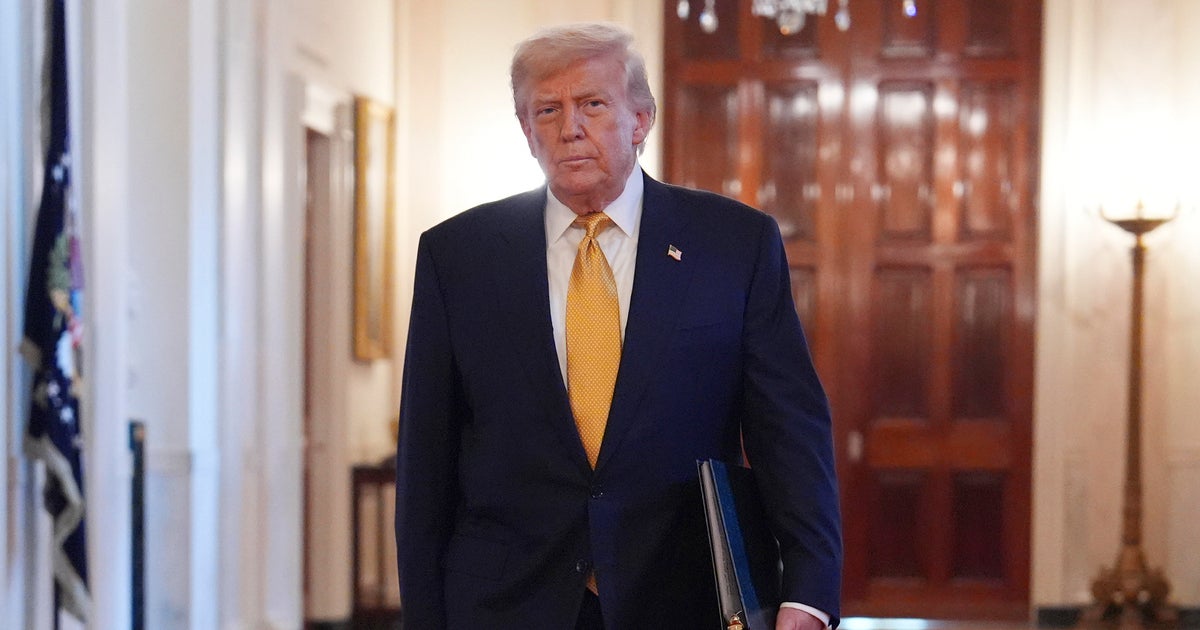
The President’s signing of the GENIUS Act is scheduled for 2:30 p.m. ET at a White House ceremony.
Beyond the GENIUS Act, House Republicans addressed other pressing issues this week. A request from the President to reclaim roughly $9 billion allocated for foreign aid and public broadcasting was approved in a late-night vote, ratifying alterations made by the Senate to the rescissions package earlier in the week.
The passage of these funding reductions was delayed due to Democratic efforts to compel the release of documents pertaining to the convicted sex offender, Jeffrey Epstein. Ultimately, the package secured passage along party lines, with two Republicans joining the Democrats in opposition. The legislation retracts about $8 billion earmarked for foreign assistance initiatives, including those administered by the U.S. Agency for International Development, and approximately $1 billion for public radio and television broadcasters. The President is expected to sign it soon.
“REPUBLICANS HAVE TRIED DOING THIS FOR 40 YEARS, AND FAILED….BUT NO MORE,” the President posted on Truth Social, referring to cutting funding to the organization overseeing federal funding for NPR and PBS. “THIS IS BIG!!!”
The GENIUS Act signing event unfolds amidst heightened scrutiny surrounding the Epstein case. On Thursday evening, the President directed Attorney General Pam Bondi to pursue the release of grand jury materials related to Epstein, who died in federal custody in 2019. The President has faced growing pressure to disclose more information after the Justice Department stated no further documents would be released following a thorough evidence review.
“Given the excessive publicity surrounding Jeffrey Epstein, I’ve instructed Attorney General Pam Bondi to produce all relevant Grand Jury testimony, contingent upon Court approval,” the President stated on Truth Social. “This DEMOCRATIC SCAM should end immediately!”
Bondi indicated that the Justice Department is “prepared to petition the court tomorrow to unseal the grand jury transcripts.” A judge will ultimately determine whether the material can be made public, which may take weeks or months.