
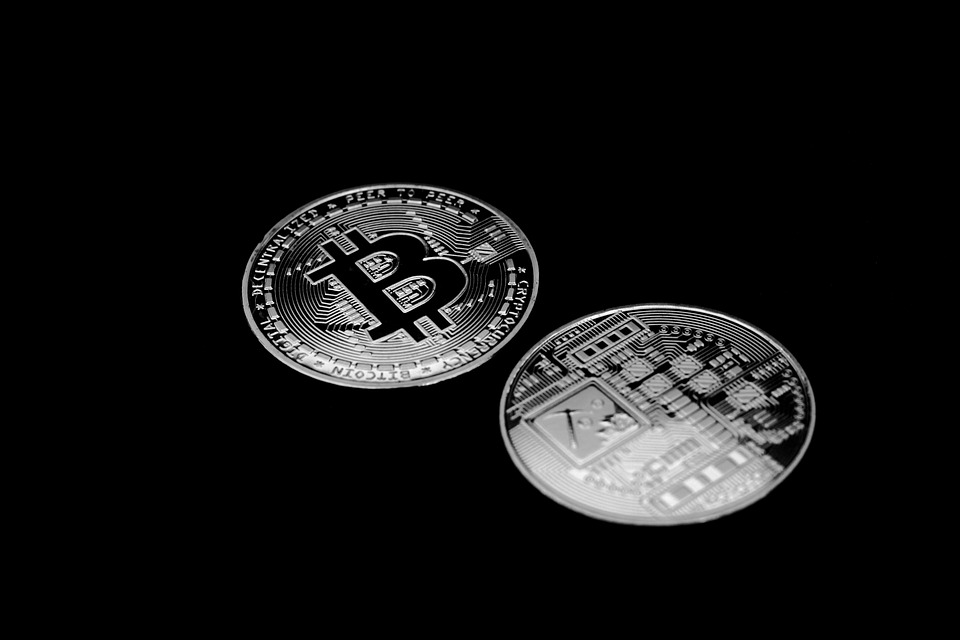
Don’t Get Hacked: Expert Advice on Securing Your Crypto Wallet
In the world of cryptocurrency, security is paramount. With the rise of digital currencies like Bitcoin, Ethereum, and others, the risk of hacking and theft has become a major concern for investors and users. A single mistake or vulnerability can result in the loss of thousands of dollars’ worth of crypto assets. In this article, we’ll provide expert advice on securing your crypto wallet and protecting your digital wealth.
Understanding the Risks
Before we dive into the security tips, it’s essential to understand the risks associated with crypto wallets. Here are some common ways hackers target crypto users:
- Phishing attacks: Hackers send fake emails or messages that appear to be from a legitimate crypto exchange or wallet provider, tricking users into revealing their sensitive information.
- Malware and viruses: Malicious software can infect your device, giving hackers access to your crypto wallet and allowing them to steal your funds.
- Exchange hacks: Crypto exchanges are vulnerable to hacking, and if your account is compromised, your funds can be stolen.
- Wallet vulnerabilities: Software vulnerabilities in your crypto wallet can be exploited by hackers, allowing them to access your funds.
Securing Your Crypto Wallet
To protect your crypto assets, follow these expert-recommended security tips:
- Use a hardware wallet: Hardware wallets, such as Ledger or Trezor, are physical devices that store your private keys offline, making them more secure than software wallets.
- Enable two-factor authentication (2FA): 2FA adds an extra layer of security to your crypto wallet, requiring a second form of verification, such as a code sent to your phone or a biometric scan.
- Use strong passwords and PINs: Choose complex and unique passwords and PINs for your crypto wallet, and avoid using the same password across multiple accounts.
- Keep your software up to date: Regularly update your crypto wallet software and operating system to ensure you have the latest security patches and features.
- Use a secure internet connection: Avoid using public Wi-Fi or unsecured internet connections to access your crypto wallet, as they can be vulnerable to hacking.
- Monitor your accounts: Regularly check your crypto wallet and exchange accounts for suspicious activity, and report any discrepancies to the relevant authorities.
- Use a reputable crypto exchange: Choose a reputable and well-established crypto exchange that has a strong security track record and offers robust security features.
- Back up your wallet: Regularly back up your crypto wallet, using a secure method such as an encrypted external hard drive or a secure cloud storage service.
Additional Security Measures
To further secure your crypto wallet, consider the following additional measures:
- Use a wallet with multi-signature functionality: Multi-signature wallets require multiple approvals before a transaction can be made, adding an extra layer of security.
- Use a cold storage solution: Cold storage solutions, such as a safe or a secure storage facility, can provide an additional layer of security for your crypto assets.
- Consider using a decentralized exchange: Decentralized exchanges, such as Uniswap or SushiSwap, can offer greater security and control over your crypto assets.
Conclusion
Securing your crypto wallet is crucial to protecting your digital wealth. By following the expert advice and security tips outlined in this article, you can significantly reduce the risk of hacking and theft. Remember to always be vigilant and cautious when interacting with your crypto wallet, and stay up to date with the latest security best practices. With the right security measures in place, you can enjoy the benefits of cryptocurrency with peace of mind.
Additional Resources
For more information on crypto wallet security, check out the following resources:
- Crypto Wallet Security Guides: Provided by reputable crypto exchanges and wallet providers, these guides offer detailed security advice and best practices.
- Crypto Security Forums: Online forums, such as Reddit’s r/CryptoSecurity, offer a community-driven resource for discussing crypto security and sharing knowledge.
- Crypto Security Experts: Follow reputable crypto security experts, such as Andreas Antonopoulos or Nick Szabo, for the latest security advice and insights.