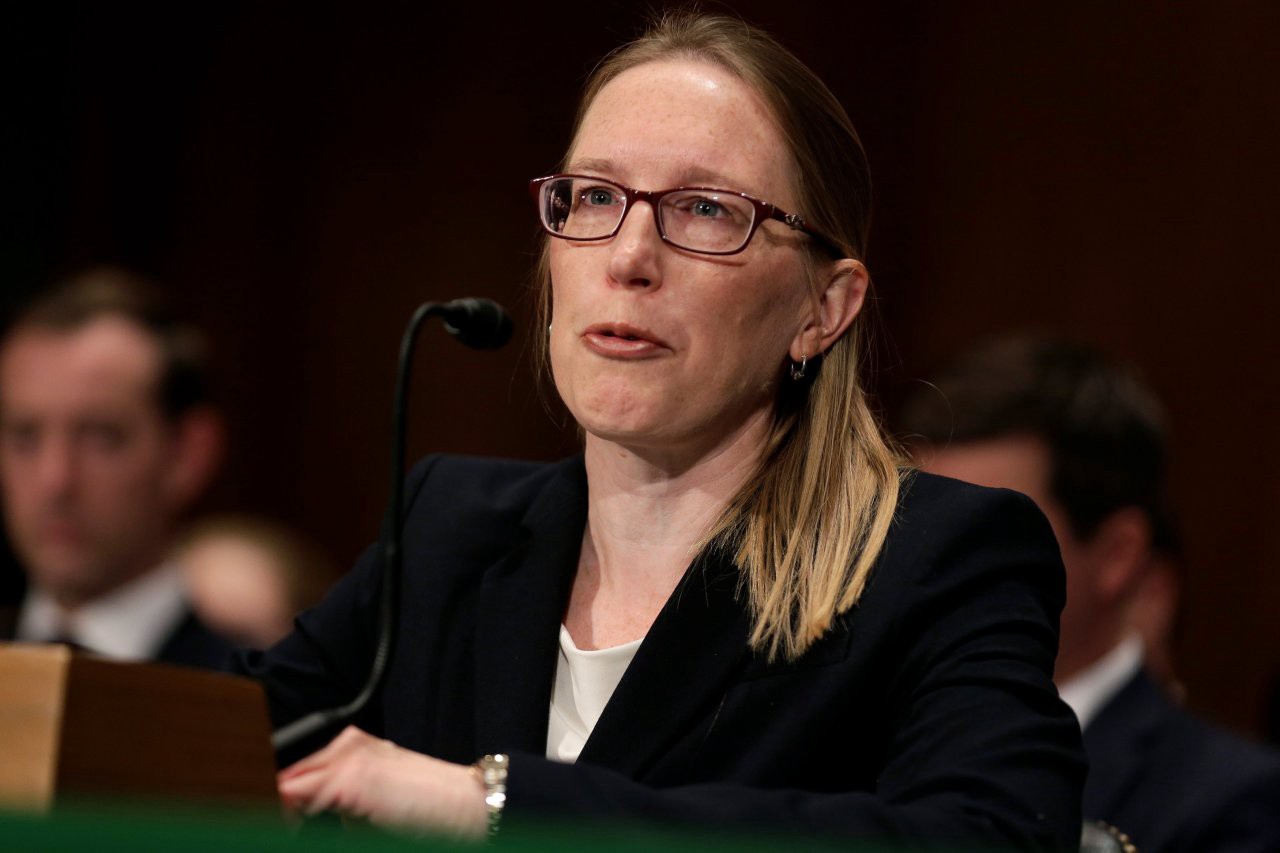
SEC Commissioner Hester M. Peirce views the recent enactment of the GENIUS Act as a significant advancement in the regulatory landscape for cryptocurrencies in the United States.
In a public announcement, Peirce characterized the new law as a “promising beginning” towards providing much-needed clarity regarding the use of stablecoins and fostering broader innovation in the digital asset sector.
The GENIUS Act officially clarifies that payment stablecoins are not classified as securities, resolving a long-debated issue within crypto regulation. Peirce emphasized that Americans have already widely adopted stablecoins for payments, and the legislation essentially recognizes the market’s preference for these privately issued tokens.
By establishing a defined regulatory structure for stablecoins, the law is designed to protect both the overall financial system and its users. It assigns oversight responsibilities to both state and federal banking regulators, ensuring adequate supervision of stablecoin issuers. Peirce pointed out that this measure enhances transparency and reduces regulatory ambiguity, thereby promoting innovation while maintaining financial security.
Peirce also encouraged the SEC to release updated guidance on how registered entities can facilitate the use of stablecoins by their clientele. She believes the GENIUS Act will prompt regulatory bodies to better align their policies with the realities of consumers and the market.
The passage of the GENIUS Act has already motivated key stablecoin issuers like Tether and Circle to take action, and it is anticipated to boost institutional confidence within the U.S. cryptocurrency market.


Kosta has dedicated over four years to the cryptocurrency sector. He aims to offer diverse viewpoints on various topics and values the industry for its open nature and dynamic activity. His work emphasizes impartial reporting on crypto events and developments, providing readers with unbiased information.