
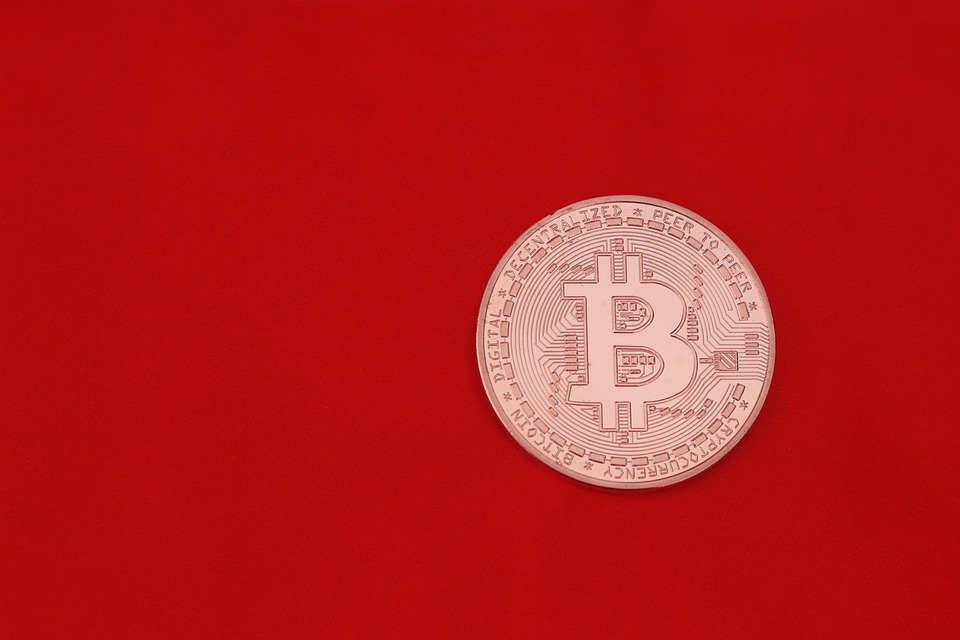
Cryptocurrency Conundrum: Weighing the Risks and Rewards of Digital Investments
The world of cryptocurrency has been a topic of fascination and contention in recent years. Proponents of digital currencies laud their potential for high returns and decentralized financial systems, while critics warn of the risks of volatility, security breaches, and regulatory uncertainty. As the market continues to evolve, investors are faced with a daunting question: are the rewards of cryptocurrency investments worth the risks?
The Rewards: Potential for High Returns and Financial Inclusion
Cryptocurrencies, such as Bitcoin and Ethereum, have garnered significant attention for their potential to generate substantial returns on investment. The value of Bitcoin, for example, has increased exponentially since its inception in 2009, with some investors reporting returns of over 1,000%. This potential for high returns has attracted a wide range of investors, from seasoned traders to novice enthusiasts.
In addition to the potential for financial gains, cryptocurrencies also offer a means of financial inclusion for individuals and communities that have been underserved by traditional banking systems. The use of cryptocurrencies can provide access to financial services, such as remittances and loans, that may be unavailable or unaffordable through traditional means.
The Risks: Volatility, Security Breaches, and Regulatory Uncertainty
Despite the potential rewards, cryptocurrency investments are not without risk. One of the primary concerns is volatility, as the value of digital currencies can fluctuate rapidly and unpredictably. This volatility can result in significant losses for investors, particularly those who are new to the market or fail to conduct adequate research.
Security breaches are another significant risk associated with cryptocurrency investments. The use of exchanges, wallets, and other online platforms to store and trade digital currencies creates vulnerabilities that can be exploited by hackers and other malicious actors. The theft of cryptocurrencies, such as the notorious Mt. Gox hack in 2014, can result in significant financial losses for investors.
Furthermore, the regulatory environment for cryptocurrencies is still evolving and uncertain. Governments and regulatory agencies are grappling with the challenges of overseeing a decentralized and rapidly changing market, which can create uncertainty and risk for investors.
Weighing the Risks and Rewards: A Balanced Approach
So, are the rewards of cryptocurrency investments worth the risks? The answer to this question depends on a variety of factors, including an individual’s financial goals, risk tolerance, and investment strategy.
For those who are considering investing in cryptocurrencies, it is essential to conduct thorough research and due diligence. This includes staying up-to-date with market trends and regulatory developments, as well as understanding the fees and risks associated with different exchanges and investment platforms.
A balanced approach to cryptocurrency investments may involve diversifying a portfolio to include a range of assets, such as stocks, bonds, and traditional currencies, in addition to digital currencies. This can help to mitigate the risks associated with volatility and security breaches, while still allowing investors to capitalize on the potential rewards of cryptocurrency investments.
Conclusion: Navigating the Cryptocurrency Conundrum
The world of cryptocurrency is complex and rapidly evolving, with both rewards and risks for investors. While the potential for high returns and financial inclusion is significant, the risks of volatility, security breaches, and regulatory uncertainty cannot be ignored.
Ultimately, the decision to invest in cryptocurrencies should be based on a thorough understanding of the market and a careful weighing of the risks and rewards. By conducting thorough research, diversifying a portfolio, and staying informed about market trends and regulatory developments, investors can navigate the cryptocurrency conundrum and make informed decisions about their digital investments.