
The Ultimate Beginner’s Guide to Cryptocurrency: Everything You Need to Know
Cryptocurrency has taken the world by storm, with its popularity and value skyrocketing in recent years. But for those new to the concept, it can be daunting to navigate the complex world of digital currencies. In this comprehensive guide, we’ll cover everything you need to know to get started with cryptocurrency, from the basics to advanced concepts.
What is Cryptocurrency?
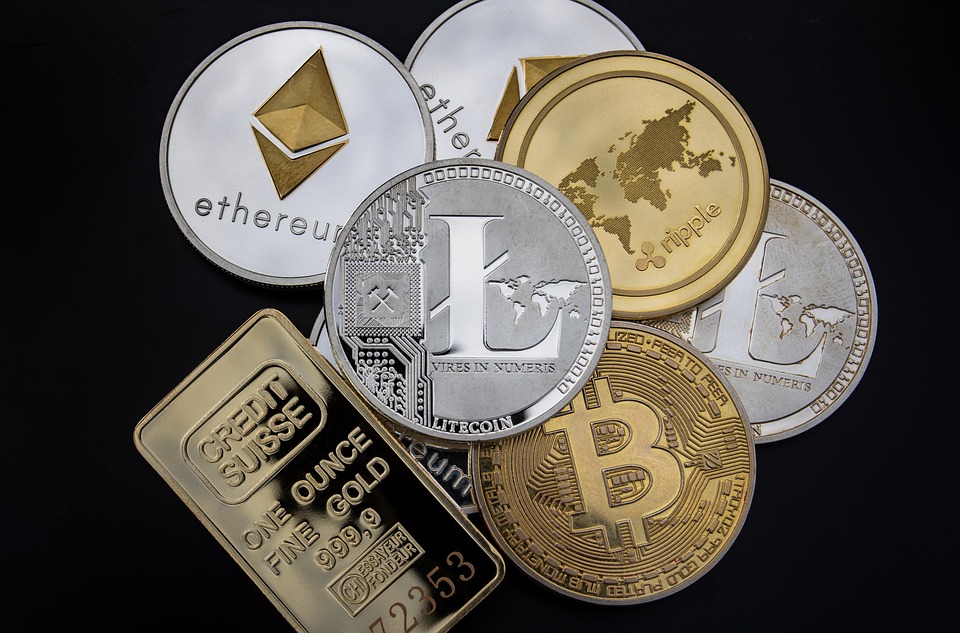
Cryptocurrency is a digital or virtual currency that uses cryptography for security and is decentralized, meaning it’s not controlled by any government or institution. Transactions are recorded on a public ledger called a blockchain, which ensures transparency and security. The most well-known cryptocurrency is Bitcoin, but there are thousands of others, including Ethereum, Litecoin, and Monero.
Key Concepts:
- Blockchain: A public ledger that records all transactions made with a particular cryptocurrency.
- Mining: The process of verifying transactions and adding them to the blockchain, which requires powerful computers and significant energy consumption.
- Wallets: Software programs that store, send, and receive cryptocurrencies.
- Private keys: Unique codes that grant access to a cryptocurrency wallet and allow for transactions.
- Public keys: Codes that can be shared publicly, allowing others to send cryptocurrency to a wallet.
How Does Cryptocurrency Work?
Here’s a step-by-step explanation of how cryptocurrency works:
- Transaction: A user sends cryptocurrency from their wallet to another user’s wallet.
- Verification: The transaction is verified by nodes on the blockchain network, which ensures the sender has the necessary funds and the transaction is valid.
- Mining: The verified transaction is added to a block, which is then added to the blockchain.
- Blockchain update: The blockchain is updated on each node, reflecting the new transaction.
- Confirmation: The transaction is confirmed, and the cryptocurrency is transferred to the recipient’s wallet.
Types of Cryptocurrencies:
- Bitcoin (BTC): The first and most well-known cryptocurrency, launched in 2009.
- Altcoins: Alternative cryptocurrencies, such as Ethereum (ETH), Litecoin (LTC), and Monero (XMR).
- Token: A cryptocurrency that’s built on top of another blockchain, such as ERC-20 tokens on the Ethereum network.
- Stablecoin: A cryptocurrency that’s pegged to the value of a traditional currency, such as the US dollar.
How to Get Started with Cryptocurrency:
- Choose a wallet: Select a reputable wallet that supports the cryptocurrency you’re interested in.
- Buy cryptocurrency: Purchase cryptocurrency from an exchange, such as Coinbase or Binance.
- Store your cryptocurrency: Transfer your cryptocurrency to a secure wallet, such as a hardware wallet or a software wallet with strong security measures.
- Learn about security: Understand the importance of private keys, public keys, and wallet security.
Risks and Challenges:
- Volatility: Cryptocurrency values can fluctuate rapidly, resulting in significant gains or losses.
- Security risks: Hackers and scammers may target cryptocurrency users, so it’s essential to take security precautions.
- Regulatory uncertainty: Cryptocurrency regulations vary by country and are subject to change.
- Market manipulation: Market manipulation and price manipulation can occur, affecting the value of cryptocurrencies.
Best Practices:
- Do your research: Understand the cryptocurrency you’re interested in and its market trends.
- Use strong security measures: Protect your wallet and private keys with strong passwords and two-factor authentication.
- Diversify your portfolio: Spread your investments across multiple cryptocurrencies to minimize risk.
- Stay up-to-date: Follow news and updates on the cryptocurrency market to stay informed.
Conclusion:
Cryptocurrency is a complex and rapidly evolving field, but with this beginner’s guide, you’re now equipped with the knowledge to get started. Remember to approach cryptocurrency with caution, do your research, and prioritize security. As the cryptocurrency market continues to grow and mature, it’s essential to stay informed and adapt to changes in the industry. Whether you’re looking to invest, trade, or simply learn more about cryptocurrency, this guide has provided a comprehensive foundation for your journey.