
Key Points
- AI personalities and virtual influencers are aggressively promoting high doses of magnesium, often with unfounded health claims.
- Medical professionals express concern about potential adverse health consequences, particularly for vulnerable populations.
- Health experts emphasize the importance of seeking advice from qualified healthcare providers and prioritizing a balanced diet over excessive supplement intake.
Magnesium is currently experiencing a surge in popularity. Promoted as a universal remedy by social media wellness gurus – and increasingly by incredibly realistic AI-generated figures – this mineral is dominating online platforms with promises to
improve sleep, alleviate
stress levels, and potentially extend
lifespan. However, medical authorities are cautioning that this trend is rife with inaccurate information and poses possible health dangers.
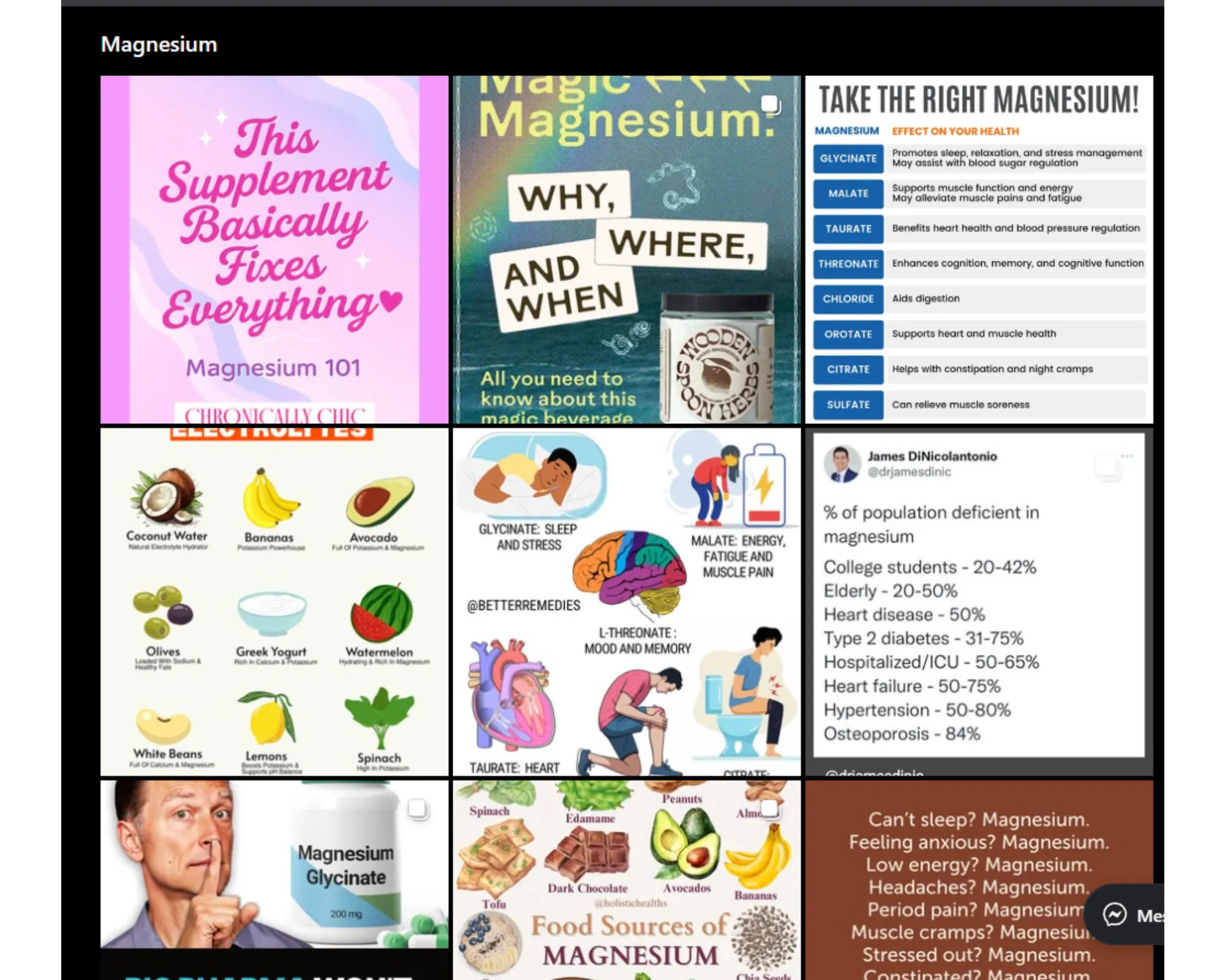
Across platforms like TikTok, Instagram, and YouTube, both human influencers and AI avatars are advocating for magnesium supplements as all-encompassing solutions for problems like anxiety, sleeplessness, and weight issues. Some of these supplements contain doses reaching up to 700mg – nearly twice the safe upper limit – causing alarm among medical professionals.
Dr. Steven Chen, Associate Dean for Clinical Affairs at the USC School of Pharmacy, expressed his concerns to Decrypt, stating, “AI ‘doctors’ are offering very direct, seemingly definitive advice: ‘If you have this condition, this is the solution.’ It can be very convincing, particularly if viewers are unaware that they’re interacting with AI. My concern with these brief, easily digestible clips is that they frequently omit any mention of potential risks.”
Dr. Chen acknowledged that magnesium has valid medical uses, like managing bowel regularity and relieving muscle tension. He emphasized that these legitimate benefits are often selectively highlighted and greatly exaggerated for marketing purposes.
With the increasing sophistication of AI-generated imagery, distinguishing between authentic information and fabrication is becoming increasingly difficult, according to specialists.
Most adults require no more than 400mg of magnesium daily, an amount easily obtainable through
foods like peanut butter, cashews, chia seeds, chicken, and salmon. However, the promoted supplements are often marketed as performance enhancers – quick, convenient, and approved by algorithms, with some pills containing more than double the recommended daily allowance.
While magnesium itself isn’t a controlled substance, its marketing – driven by algorithms and deceptive AI testimonials – has transformed it into a highly profitable health product subject to little regulatory oversight.
Excessive magnesium intake can be particularly hazardous for individuals with pre-existing heart, digestive, or kidney conditions.
Common
side effects of magnesium supplementation include diarrhea, nausea, stomach cramps, flushing, headaches, and muscle weakness. However, in individuals with impaired kidney function – who cannot efficiently eliminate excess magnesium – the mineral can accumulate to dangerous levels, leading to low blood pressure, urinary difficulties, confusion, breathing problems, irregular or slow heartbeat, and, in extreme cases, cardiac arrest.
In an effort to enhance the credibility of their advertisements, some marketers are using AI to fabricate medical expert endorsements of magnesium supplements, a practice that Dr. Chen describes as “dangerous and unethical.”
“People are naturally drawn to quick and easy solutions,” he said. “But in the realm of serious health issues, there’s no substitute for consistent sleep, regular exercise, and a well-balanced diet.”
The pursuit of effortless solutions for extending lifespan and improving health has fueled significant expansion within the supplement sector. Market analysis indicates the dietary supplement market had a valuation of $189 billion in 2024. Market research anticipates a substantial rise, with projections indicating a value reaching
$402 billion by 2035, according to Precedence Research.
In response to inquiries about misleading advertisements featuring AI-generated medical endorsements and questionable health claims, social media companies offered limited commentary regarding their policies. A YouTube spokesperson referenced their medical misinformation
guidelines, which prohibit content promoting harmful alternative treatments or discouraging professional medical care that contradict local health authorities’ guidance.
A Meta representative, while declining to comment specifically on the discussed ads, cited their
advertising policies, prohibiting deceptive or misleading
health claims, marketing of unsafe
supplements, overblown promises regarding health benefits, and ads deploying negative self-perception methods or illicit use of medical professionals’ images.
TikTok did not respond to Decrypt’s requests for a statement.
“People cherish these platforms for enabling free speech and self-expression,” explained Dr. Chen. “However, we need a firm commitment to patient well-being, making sure individuals aren’t drawn into pursuing options that may be unhelpful but might also lead them to disregard a serious underlying health condition. Delaying appropriate medical intervention can have severe repercussions.”
According to Dr. Zhaoping Li, Director of the UCLA Center for Human Nutrition, magnesium’s current promotion for muscle and sleep enhancement has expanded beyond its initial clinical purpose.
“Magnesium was primarily utilized to relax uterine muscles during contractions in women with
preeclampsia, effectively preventing premature births,” Dr. Li explained to Decrypt. “From there, its use expanded to general muscle relaxation. Though not heavily investigated, some limited studies suggest potential benefits for restless leg syndrome and pre-bedtime muscle relaxation.”
Dr. Li stated that magnesium deficiencies are common among people with poor diets or chronic alcohol habits, which is the reason for its frequent replenishment in medical contexts.
“In emergency room situations, key nutrients like magnesium are often administered,” she said. “Building on this practice, magnesium is now widely recommended for numerous health-related applications; however, the true benefit is highly dependent on the intended use.”
Drs. Chen and Li suggested that certain magnesium types are more readily absorbed and might prove helpful in specific scenarios. However, they stated that products labeled as “complexes” that list many different types, are more related to marketing than offering substantial benefit.
“If promoting overall well-being were the real goal, I’d recommend eating natural food sources rich in magnesium,” advised Dr. Li. “The potential advantages are far greater than from swallowing numerous capsules.”
Dr. Li asserts that the actual beneficial usage of AI within healthcare should focus not on marketing supplements, but rather on understanding and improving food intake and quality.
“If we are serious about utilizing AI’s potential, the priority should be investigating foods comprehensively,” she concluded. “Instead of isolating single minerals and putting them into pill form.”
Generally Intelligent Newsletter
A weekly AI journey narrated by Gen, a generative AI model.