
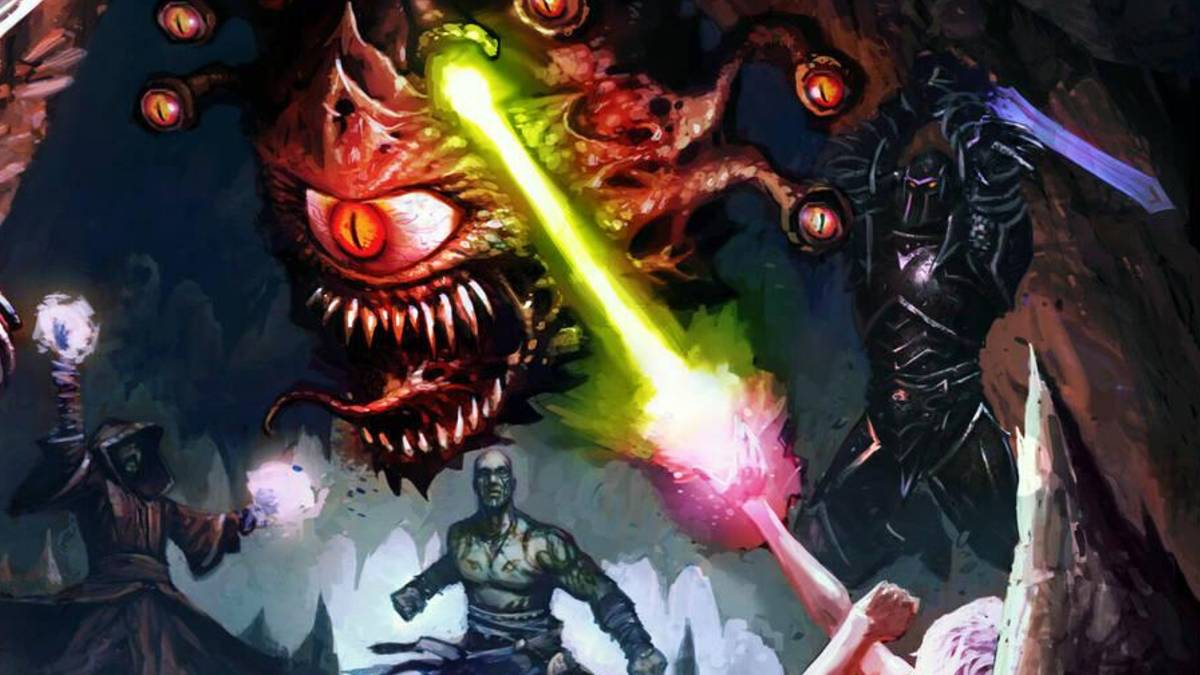
For computer RPG enthusiasts who could wield a mouse around the year 2000, September 2025 holds special significance. It marks a quarter-century since the release of Baldur’s Gate 2: Shadows of Amn, a true landmark title. Before Larian Studios captivated audiences with strategic turn-based combat and memorable, charming characters, BioWare revolutionized the CRPG scene. Their work established standards that continue to influence game development today. While the impact of Baldur’s Gate 2 on gaming history is well-documented, this anniversary offers a valuable opportunity to emphasize its excellence as a Dungeons & Dragons adaptation.
My introduction to Baldur’s Gate 2 occurred after a brief but exhilarating tabletop D&D experience. Our second-edition campaign, fondly remembered despite its short lifespan, ignited a deep desire for more. (Coordinating schedules for a group of fifteen-year-olds proved nearly impossible.) So, after a taste of that adventure, I yearned for a deeper dive. BG2, an isometric CRPG faithfully implementing the second edition AD&D rules, transformed that yearning into a lifelong passion.
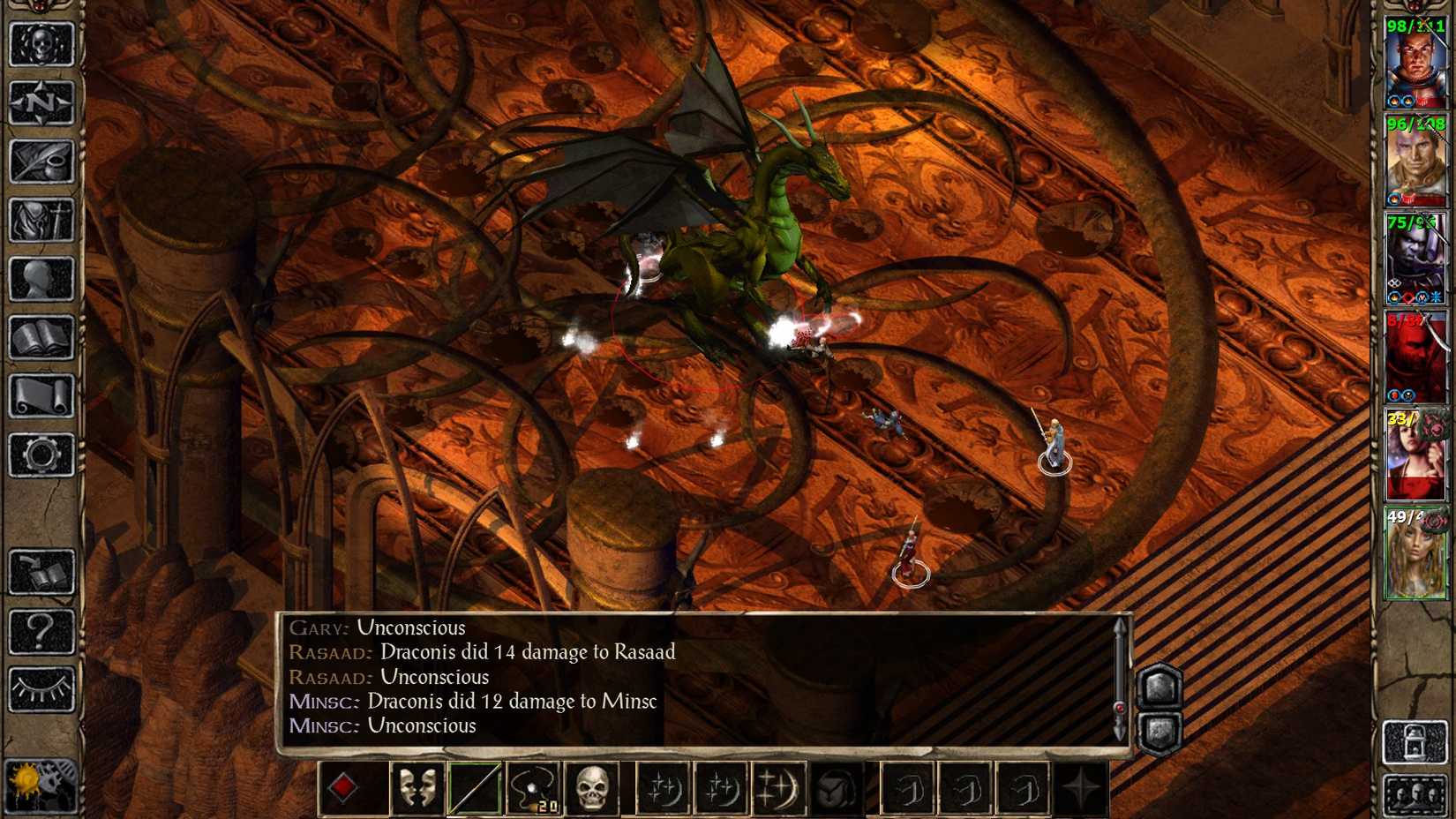
With a few exceptions, such as the real-time-with-pause combat system and some additional modifications, the game seamlessly integrated the tabletop rules. The experience was so immersive that it truly felt like playing D&D on a computer. The game even incorporated weapon speeds, an optional rule from AD&D 2e. Beyond the rules, the game’s overall aesthetic and atmosphere perfectly embodied the essence of D&D at the time.
While nothing can completely replicate the dynamics of live interaction at a table, BG2 distinguished itself through its companions. The quality of their dialogue, their individual storylines, and the relationships that players could cultivate with them served as a benchmark for RPG development. It arguably established a pattern that BioWare continues to utilize to this day.
Baldur’s Gate 2 offered a captivating blend: an adventure-rich and perilous world, thrilling battles, intricate rules that begged to be understood, engaging storytelling, and the chance to forge meaningful relationships. This comprehensive package fulfilled and continues to fulfill my vision of what Dungeons & Dragons should be.
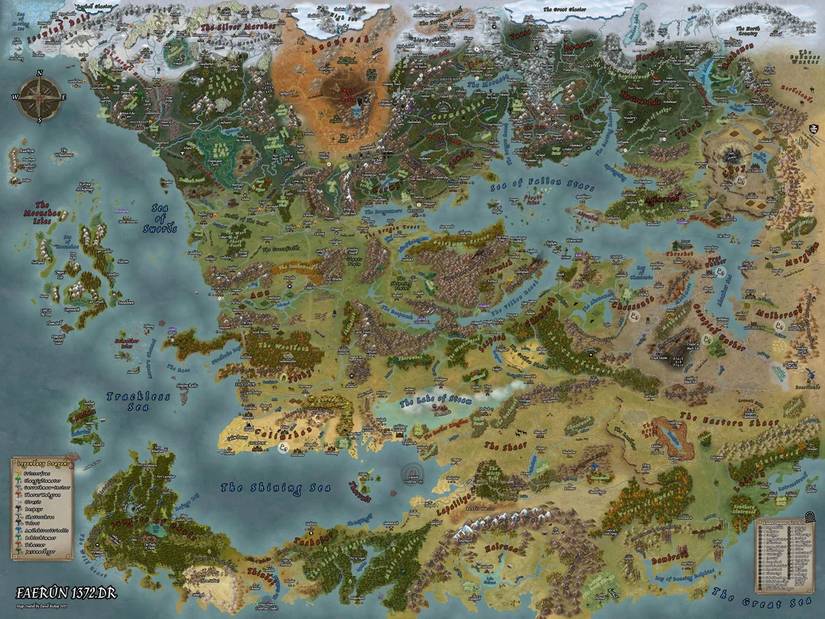
After my initial journey into Amn (the Forgotten Realms region where BG2 unfolds), I quickly returned to tabletop D&D. It’s no coincidence that the 3rd edition’s Forgotten Realms Campaign Setting, a detailed guide to Faerûn and my all-time favorite D&D resource, was my point of entry. Baldur’s Gate 2 had introduced me to this world, providing an opportunity to explore beyond the game’s boundaries and create my own narratives within it.
Over the subsequent two decades, the majority of my D&D campaigns as a Dungeon Master have been set within the Forgotten Realms. While other remarkable settings exist, Baldur’s Gate 2 ignited my love for Faerûn: a realm of endless intrigue and possibility, populated by a memorable collection of heroes and villains. It simultaneously feels familiar and ripe for discovery, a quality that’s challenging to replicate.
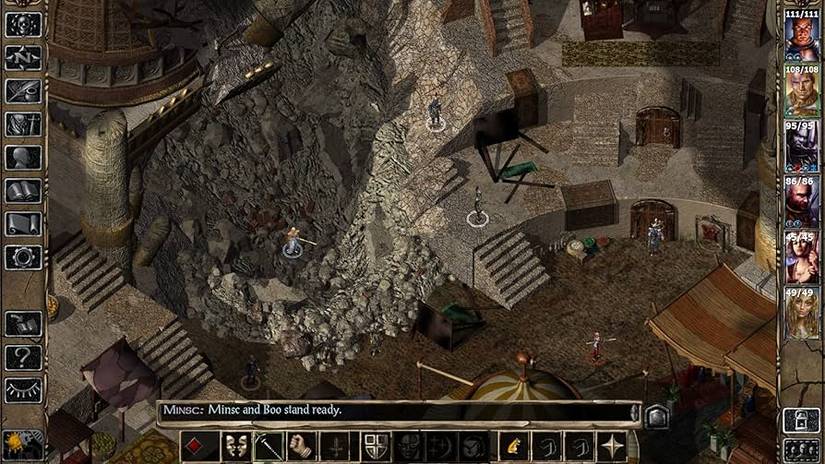
Although BG2‘s mechanics may seem dated by today’s standards, the narrative remains strong and its inherent quality has remained consistent throughout the years. Baldur’s Gate 2 provides a wide selection of quests with meaningful content, lacking the repetitive “fetch quests” commonly found in games such as Elder Scrolls. It stands in stark contrast to the flawed portions of Act 3 in Baldur’s Gate 3 (apologies to BG3 enthusiasts; I admire the majority of the game). Despite the development team’s crunch and some inevitable content cuts, the world feels vibrant and populated. Even the smallest tasks radiate personality and significance.
I try to implement that same approach in my D&D campaigns. I avoid mere dungeon crawling without purpose. Treasure acquisition is enjoyable, but I always strive to enrich it with additional layers. A compelling story, personal connections to the characters, or memorable NPCs are essential. Even a hastily constructed dungeon can be enlivened by addressing questions such as: What is its intended function? Who were its builders, and what led to its abandonment? Why are specific creatures inhabiting it, and how do they survive? What potential conflicts could emerge within this setting?
The Windspear Hills and their connecting dungeon in BG2 offer a prime example. The party arrives on what seems to be a monster-slaying mission, only to be falsely accused and tricked into killing paladins. A generous noble provides assistance, only to have his son kidnapped and taken to a dangerous dungeon. Inside, the players battle numerous creatures while uncovering clues to an evil force that lies deep within the complex. Anyone who experienced the discovery of Lord Jierdan’s true nature for the first time, before spoilers became prevalent, will never forget the associated feeling.
Baldur’s Gate 2‘s emphasis on storytelling is the primary reason why I favor narrative-driven D&D sessions. Yet, I’ve also dedicated countless hours to pursuing a romance with Viconia as well as examining the 300 spells, whose descriptions occasionally only offer a vague idea of their effects. Baldur’s Gate 2 demonstrated to me that rules don’t need to be simple to be effective. I carried this lesson into 5e D&D, a system known for its simplified rules, and I continue to use it to address some of my reservations about the ruleset.
Reflecting on the past 25 years, I understand the depth of Baldur’s Gate 2‘s impact on my life. Without it, I likely wouldn’t have become so invested in D&D. The game has served as a constant companion through my experiences in different countries, jobs, relationships, and friend groups. Now is the time to launch BG2 once more, watch Alaundo’s words appear on the screen, and listen to Jon Irenicus’ unsettling voice taunt me: “Ahhh, the child of Bhaal has awoken. It’s time for more experiments…”