
The next installment in the renowned military shooter franchise, rumored to be called “Battlefield 6,” is slated for release on October 10th. It faces the substantial challenge of delivering both a high-quality, expansive first-person shooter experience and rectifying the errors of previous releases. Prior to the formal multiplayer reveal event, I attended a preview session. Security was notably tight; the double metal detector setup at the entrance seemingly designed to thwart any disgruntled Battlefield 2042 fans armed with protest materials.
Thankfully, the hands-on experience suggested that “Battlefield 6” is earnestly embracing the core elements that define the series. The return to the classic four-class system, a focus on meaningful destruction that impacts gameplay, and, most importantly, large-scale, combined arms combat that feels dynamic rather than meticulously scripted are all promising signs.
While the developers may be aiming for a high-energy feel, the game’s larger maps and expansive game modes create an organic and adaptable style of play. It remains to be seen whether teams can effectively coordinate tank pushes supported by air support and strategic drone deployments, all while snipers suppress enemy anti-armor units and medics keep the frontline fighters alive. The tools are there, but more likely, the matches will unfold with the familiar chaos of players scattered across the map, neglecting team roles and chasing objectives solo. In other words, it feels like classic Battlefield – and that’s a good thing.
The game incorporates some refreshing changes that distinguish it from a simple rehash of earlier titles. The controversial weapon selection system, which allows players to equip weapons outside of their designated class, seems well implemented in practice. Contrary to concerns, I didn’t witness overly unconventional loadouts; most players stuck to the default weapons best suited to their roles. The only time I diverged was in a close-quarters Squad Deathmatch, where a submachine gun better suited the map than my medic’s default weapon.
Another notable addition is the ability to drag downed teammates to cover during revives. This feature adds a new layer of depth to the already impactful medic role, enhancing the dramatic and crucial “Don’t you die on me!” moments that are a hallmark of the Battlefield experience.
Environmental destruction has also been revamped, encouraging tactical use of explosives and melee weapons to create new pathways and ambush opportunities. While the destruction doesn’t reach the large-scale devastation seen in some past entries, and other recent games may offer more granular arena reshaping, it’s a welcome addition that enhances gameplay. It may also appease players who found the environments of 2042 too resilient.
Of course, the tactical destruction cuts both ways. One memorable death occurred during a Breakthrough match when an enemy tank, unable to directly target me behind cover, began systematically demolishing the wall I was hiding behind. After several near misses, a perfectly placed shot created a line of sight, allowing the gunner to eliminate me. Later, I exacted revenge by obliterating a popular sniping spot with a barrage of RPG fire, reducing a once-picturesque townhouse to rubble.
The Breakthrough mode offers the most compelling stage for the game’s dynamic combat. Its scale allows for vehicle integration while maintaining focused frontlines, creating engaging and structured firefights. While Conquest is considered the iconic Battlefield experience, I often find it too sprawling and unfocused. My limited playtime with Conquest on the Liberation Peak map didn’t change that perception.
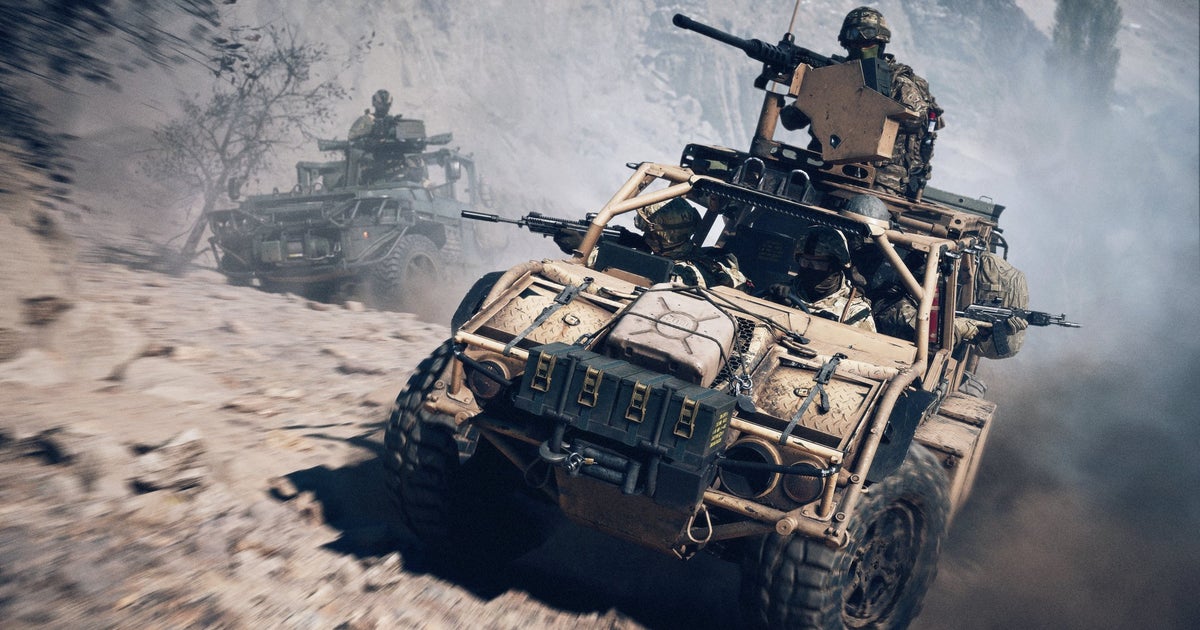
On a smaller scale, driving vehicles like trucks and tanks feels satisfying. These vehicles are impressively weighty yet responsive, creating a sense of power and dynamism. The ability for teammates to cling to the sides of vehicles to compensate for missing seats is a fun and practical touch. Gunplay is generally solid, with most weapons delivering a satisfying punch, though shot feedback could be improved.
While I’m not a fan of the largest Battlefield battles, I also don’t appreciate attempts to make it a Call of Duty clone. The smaller Team Deathmatch and Squad Deathmatch modes don’t allow the classes to shine as much as in the larger modes. Engineers are sidelined without vehicles to repair or destroy, and the faster pace and tighter maps make reviving teammates risky, even as a medic.
There’s a risk that “Battlefield 6” might be trying to do too much to reach a wider audience, potentially chasing after a massive player base. However, there are also reasons to be optimistic that the series is returning to its roots. The renewed focus on environmental destruction and the emphasis on squad play over individual heroics are positive signs.
Encouragingly, the game appears to be launching in a stable technical state. I played at 1440p on a high-end PC, but performance was smooth and free of stutters on Ultra settings. There were no instances of falling through the floor or persistent geometry glitches. Though, I did observe a few ragdoll corpses briefly floating skyward before collapsing, a glitch that was amusing enough to warrant keeping.