
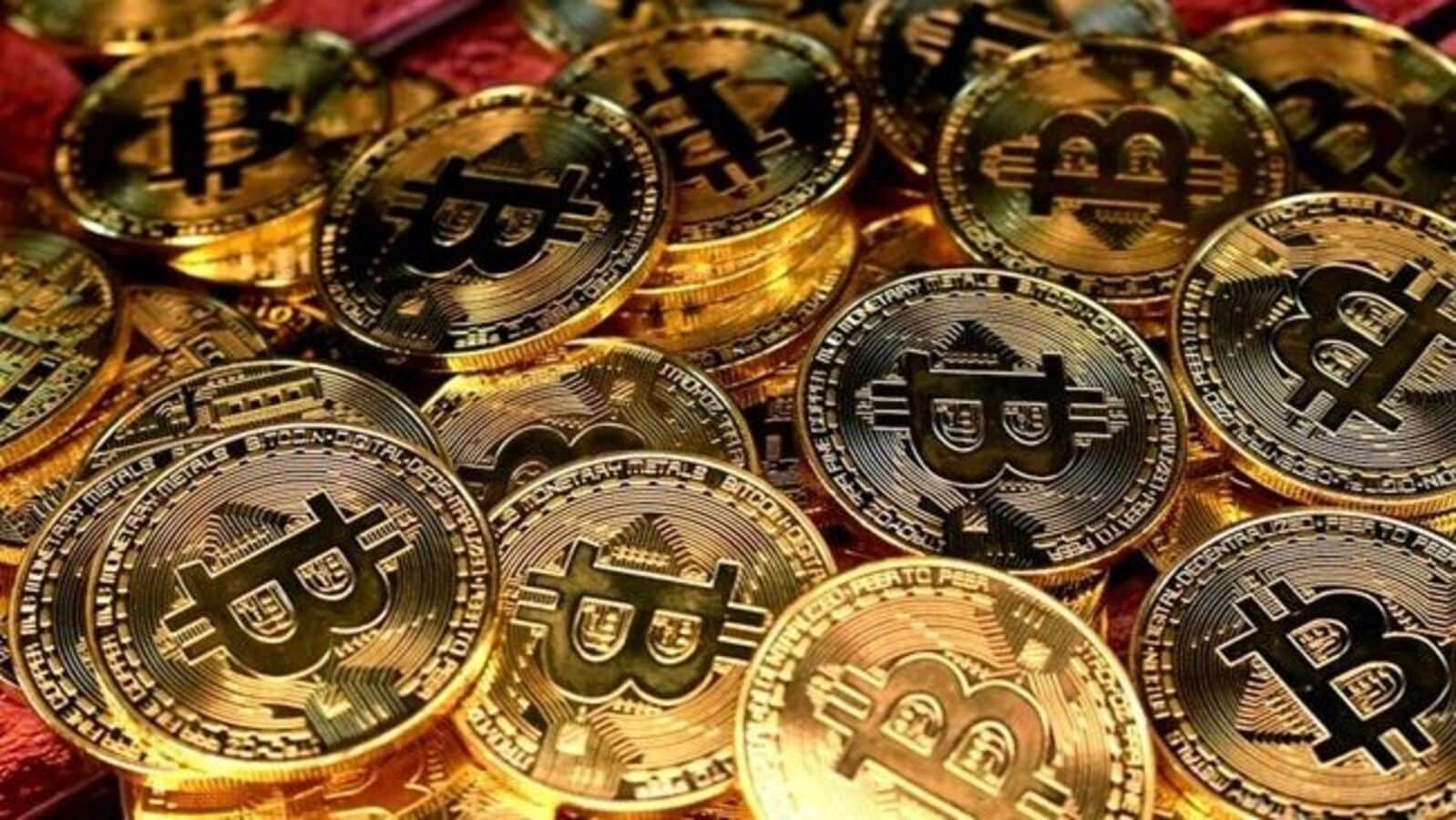
Bitcoin’s value surged past $82,000 on Monday, achieving a new record high and fostering optimism among Indian cryptocurrency exchanges. However, the industry’s continued expansion in India may be hampered by domestic hurdles, including substantial taxes and the Reserve Bank of India’s cautious view on digital currencies.
Ashish Singhal, CEO of CoinSwitch, a cryptocurrency exchange and aggregator, noted a significant surge in platform engagement. “We’ve witnessed a 500-700% increase in active users, both returning and new sign-ups, in just the past week.” This growth, Singhal emphasized, coincided with Bitcoin’s climb to unprecedented levels, bolstered by Donald Trump’s victory in the November 5th US presidential elections.
“Despite the recent uptick, investment demand for cryptocurrencies in India remains below 2021 peaks. This is primarily due to government’s skeptical view and unfavorable tax regulations regarding offsetting losses,” Singhal explained.
Other industry leaders echoed Singhal’s observations. Sumit Gupta, CEO of CoinDCX, Sathvik Vishwanath, head of Unocoin, and Vikram Subburaj, CEO of Giottus, all reported a notable rise in active user engagement over the past week, during which Bitcoin’s value increased by more than 20%.
Vishwanath shared with Mint, “We’ve observed a double-digit percentage of previously inactive users logging back in and resuming trading. As our platform has been operational since 2013, many early adopters are now capitalizing on the surge to exit their positions and realize profits.”
“More investors are actively increasing their cryptocurrency holdings during this period, driven by a bullish sentiment towards the overall global growth of crypto assets as an investment class, largely influenced by the US elections,” Gupta of CoinDCX stated.
Notably, US President-elect Donald Trump is perceived to have a supportive stance towards cryptocurrency policymaking. His September investment in World Liberty Financial, a cryptocurrency business, suggests a potentially more accommodating approach to this asset class compared to the previous Biden administration.
President Biden and Gary Gensler, chairperson of the US Securities and Exchange Commission (SEC), have previously taken a stricter stance on cryptocurrencies. In June 2021, Gensler highlighted “frauds, scams and abuses” within the cryptocurrency landscape.
This divergence in policy perspectives is expected to propel Bitcoin’s price, a leading indicator for the cryptocurrency industry, beyond $100,000 – a forecast made by brokerage firms at the beginning of the year. “The emergence of exchange-traded funds (ETFs) in the US has legitimized crypto investments globally, and the US’s pro-crypto environment could encourage more favorable policies worldwide, including in India,” Singhal suggested.
However, industry stakeholders remain cautiously optimistic. “The sustainability of this rally remains to be seen. If Trump’s cryptocurrency policies take a backseat, investor enthusiasm may wane, leading to potential corrections in Bitcoin’s valuation and the broader cryptocurrency market,” cautioned Subburaj of Giottus.
What is holding India back
Vishwanath of Unocoin pointed to the WazirX security breach and the lack of clear policy direction from the Indian central government as factors hindering industry confidence.
“The WazirX incident has significantly damaged consumer trust in India’s crypto sector. Customers who lost funds on WazirX are hesitant to consider alternative exchanges, and rebuilding their confidence may take until mid next year,” Vishwanath explained.
He further emphasized that a positive regulatory approach in the US could influence other countries to follow suit. “Ultimately, India pursuing a divergent stance with regulation and taxation may not be sustainable in the long term. Cryptocurrencies are not geographically bound, potentially leading to capital and talent outflow,” Vishwanath warned.
Diversification of business models could also become prevalent. Vishwanath suggested this strategy might be considered. CoinSwitch, a leading Indian cryptocurrency venture, has already expanded into equity investing. Singhal maintains that this diversification “was always planned and is not a direct response to market dynamics.”
Gupta of CoinDCX cautioned that if India’s negative stance on taxation and investing “persists beyond the next fiscal year, the tax burden may become unsustainable for investors, significantly impacting the local crypto industry.”
“While we haven’t seen any indications of a policy shift from the Indian government, we remain hopeful that a more favorable US policy environment may enhance the viability of the Indian market for investors,” Gupta concluded.