
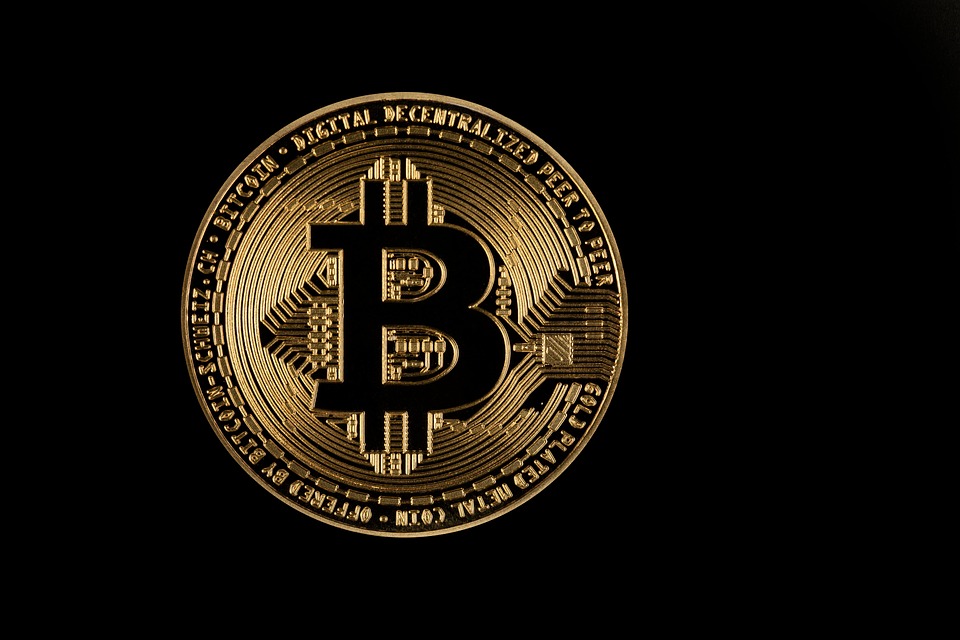
Bitcoin Buying 101: A Beginner’s Guide to Safe and Secure Transactions
The world of cryptocurrency has taken the financial landscape by storm, and Bitcoin remains the most popular and widely recognized digital currency. As more people become interested in investing in Bitcoin, it’s essential to understand the basics of buying and securing your digital assets. In this article, we’ll provide a comprehensive guide for beginners on how to buy Bitcoin safely and securely.
Understanding Bitcoin and Cryptocurrency
Before diving into the world of Bitcoin buying, it’s crucial to understand the fundamentals of cryptocurrency. Bitcoin is a decentralized digital currency that uses cryptography for secure financial transactions. It’s not controlled by any government or institution, and transactions are recorded on a public ledger called the blockchain.
Choosing a Bitcoin Exchange
The first step in buying Bitcoin is to choose a reputable exchange. A Bitcoin exchange is a platform that allows you to buy, sell, or trade Bitcoin for traditional fiat currencies like the US dollar. There are several types of exchanges, including:
- Centralized Exchanges (CEXs): These exchanges are operated by a central authority and require users to create an account and verify their identity. Examples of CEXs include Coinbase, Binance, and Kraken.
- Decentralized Exchanges (DEXs): These exchanges operate on a blockchain network and allow users to trade directly with each other without a central authority. Examples of DEXs include Uniswap and SushiSwap.
- Peer-to-Peer (P2P) Exchanges: These exchanges connect buyers and sellers directly, allowing them to trade Bitcoin without a central authority. Examples of P2P exchanges include LocalBitcoins and Paxful.
When choosing an exchange, consider the following factors:
- Security: Look for exchanges with robust security measures, such as two-factor authentication, cold storage, and regular security audits.
- Fees: Compare the fees charged by different exchanges, including trading fees, deposit fees, and withdrawal fees.
- Liquidity: Choose an exchange with high liquidity, which ensures that you can buy or sell Bitcoin quickly and at a fair price.
- Reputation: Research the exchange’s reputation online, reading reviews and checking for any negative feedback.
Setting Up a Bitcoin Wallet
Before buying Bitcoin, you’ll need to set up a Bitcoin wallet to store your digital assets. A Bitcoin wallet is a software program that allows you to send, receive, and store Bitcoin. There are several types of wallets, including:
- Software Wallets: These wallets are downloaded and installed on your computer or mobile device. Examples of software wallets include Electrum and MyEtherWallet.
- Hardware Wallets: These wallets are physical devices that store your private keys offline, providing an additional layer of security. Examples of hardware wallets include Ledger and Trezor.
- Paper Wallets: These wallets are physical documents that contain your private keys and Bitcoin address.
When choosing a wallet, consider the following factors:
- Security: Look for wallets with robust security measures, such as encryption, two-factor authentication, and cold storage.
- Ease of use: Choose a wallet with a user-friendly interface, making it easy to send, receive, and store Bitcoin.
- Compatibility: Ensure the wallet is compatible with your device and operating system.
Buying Bitcoin
Once you’ve chosen an exchange and set up a wallet, you’re ready to buy Bitcoin. Here’s a step-by-step guide:
- Create an account: Sign up for an account on the exchange, providing the required information and verifying your identity.
- Deposit funds: Deposit traditional fiat currency into your exchange account, using a payment method such as a bank transfer, credit card, or debit card.
- Buy Bitcoin: Use the deposited funds to buy Bitcoin, specifying the amount you want to purchase.
- Transfer Bitcoin to your wallet: Once the transaction is complete, transfer the Bitcoin to your wallet, using the wallet’s address.
Safety and Security Measures
To ensure safe and secure transactions, follow these best practices:
- Use strong passwords: Create strong, unique passwords for your exchange and wallet accounts.
- Enable two-factor authentication: Activate two-factor authentication to add an extra layer of security to your accounts.
- Use a reputable wallet: Choose a reputable wallet with robust security measures.
- Keep your software up-to-date: Regularly update your wallet and exchange software to ensure you have the latest security patches.
- Be cautious of phishing scams: Be aware of phishing scams, which attempt to steal your personal and financial information.
Conclusion
Buying Bitcoin can seem intimidating, but with the right knowledge and precautions, it can be a safe and secure experience. By choosing a reputable exchange, setting up a secure wallet, and following best practices, you can protect your digital assets and enjoy the benefits of cryptocurrency investing. Remember to always prioritize security, stay informed, and stay vigilant to ensure a successful and enjoyable Bitcoin buying experience.