
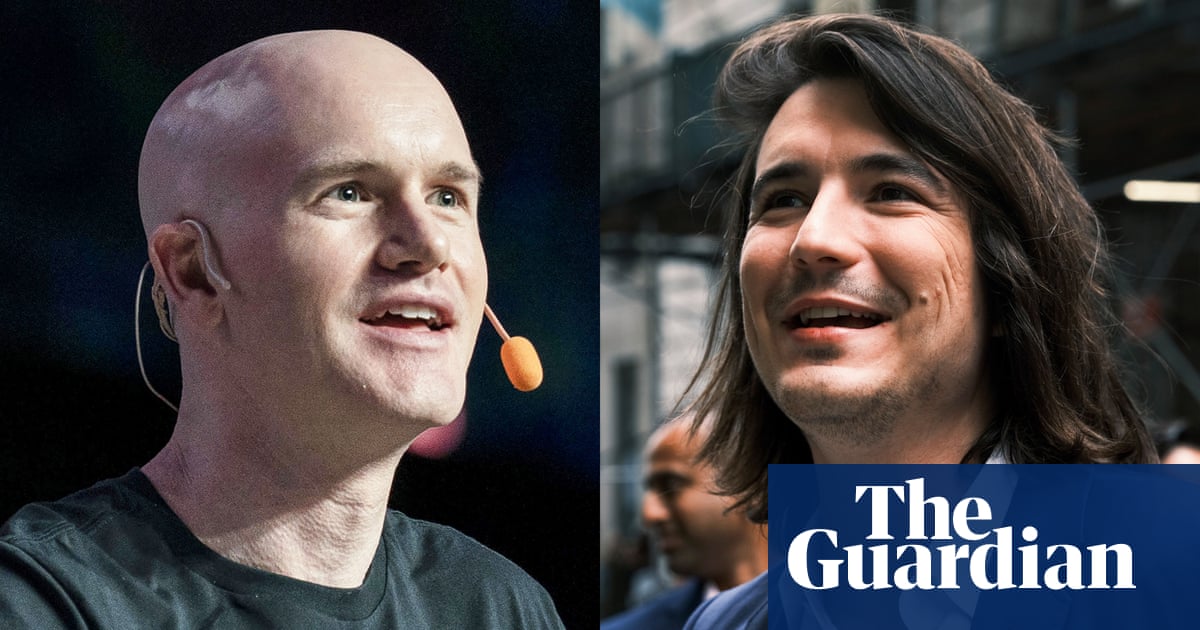
Key figures in the digital currency space convened at the White House on Friday, engaging in discussions with Donald Trump about his administration’s ambition to position the United States as a global leader in crypto. During the meeting, attended by over a dozen individuals, the former president expressed his gratitude to each participant.
“We have exceptionally bright minds gathered here,” Trump stated. “We are embarking on a pioneering endeavor.”
The gathering included notable personalities like crypto entrepreneurs Cameron and Tyler Winklevoss, MicroStrategy’s executive chairman and co-founder Michael Saylor, and Zach Witkoff, a founder of World Liberty Financial, a crypto venture with ties to Trump. Robinhood Markets CEO Vlad Tenev was also present.
On Thursday, Trump issued an executive order to establish a national strategic crypto reserve. During the summit, he described this reserve as a “digital Fort Knox” for safeguarding digital assets.
Tech investor David Sacks, designated as Trump’s “crypto czar,” thanked the president for his leadership in the digital asset sector. He emphasized, “Your administration is operating with exceptional speed in this innovative landscape.”
Sacks added, “This industry faced undue hardship in the past, a situation you uniquely understand.”
Following initial introductions, the summit proceeded behind closed doors. A central topic was Trump’s plan for the strategic reserve, which he envisions comprising Bitcoin alongside four other digital coins. Trump tasked the Secretaries of Treasury and Commerce with devising “budget-neutral approaches” to acquire additional Bitcoin without placing any “additional costs” on taxpayers.
after newsletter promotion
Les Borsai, co-founder of Wave Digital Assets, a crypto investment advisory firm, noted that the event signaled a shift towards collaboration with industry leaders. Borsai himself was not invited.
Attendees emphasized the importance of clarifying the details surrounding the strategic reserve, a government-held collection of cryptocurrency. Sacks previously indicated on social media that the reserve would be funded with Bitcoin obtained by the federal government through criminal and civil asset forfeiture.
JP Richardson, co-founder and CEO of Exodus, a Bitcoin wallet provider, said “This strategic reserve will be a major point of debate.” While he holds the four alternative coins that Trump has proposed for inclusion in the reserve, he questions their suitability for such a strategic purpose.
“While crypto has advanced significantly, it’s still an emerging sector,” Richardson stated. He believes the other coins, being smaller and functioning differently, may introduce additional risks. Coinbase’s co-founder and CEO, Brian Armstrong, suggested on social media that a reserve solely focused on Bitcoin would “probably be the best approach.” Both Richardson and Armstrong were present at the summit.
Ripple CEO Brad Garlinghouse, who also attended, praised Trump’s acknowledgment of a “multi-chain world” beyond Bitcoin in a social media post. XRP, the cryptocurrency associated with Ripple, is among the other four coins Trump has considered adding to the crypto reserve. Attendees expressed optimism about collaborating with an administration that recognizes cryptocurrency as a mainstream asset class and expressed hope for a streamlined regulatory environment.
Yesha Yadav, a law professor and associate dean at Vanderbilt University, emphasized the industry’s need for clarity regarding regulatory scrutiny and the responsible regulatory bodies. Such clarity, she argues, could expedite the SEC’s approval process for new exchange-traded fund listings.
Trump’s family’s involvement in launching cryptocurrency meme coins and his stake in World Liberty Financial, a crypto platform, have raised some concerns about potential conflicts of interest. His staff have stated that Trump has relinquished control of his business interests, which are under review by external ethics lawyers. The White House has not yet responded to requests for clarification.