
A proposed law in New York’s capital, Albany, seeks to address the significant electricity consumption of cryptocurrency mining businesses, aiming to alleviate rising utility bills for New York residents.
State Senator Liz Krueger and Assemblymember Anna Kelles this week presented legislation designed to levy a graduated excise tax on proof-of-work (PoW) cryptocurrency mining operations, which are recognized for their substantial energy demands and increasing environmental consequences.
“Cryptocurrency mining corporations are accumulating substantial profits while shifting the real expenses of their activities onto our communities, the environment, and the utility bills of New York families,” stated Assemblymember Kelles. “This legislative measure ensures that the most energy-intensive facilities finally contribute their equitable share.”
The proposed tax would specifically target large-scale PoW mining facilities, with the amount determined by their overall electricity consumption:
- Less than 2.25 million kWh annually: No tax
- 2.25–5 million kWh: 2¢ per kWh
- 5–10 million kWh: 3¢ per kWh
- 10–20 million kWh: 4¢ per kWh
- Exceeding 20 million kWh: 5¢ per kWh
Facilities relying solely on renewable energy sources and not connected to the power grid would be exempt from the tax.
The lawmakers suggest that the tax revenues, estimated to exceed $500 million each year, would be allocated to funding the state’s Energy Affordability Programs, which offer financial assistance for utility bills to low- and moderate-income households.
Energy Use, Environmental Impact, and Revenue
According to the bill’s sponsors, cryptocurrency mining centers in New York consume electricity at levels comparable to small cities, yet provide minimal benefits to neighboring communities. A study from 2022 indicated that these operations increase electricity expenses by approximately $79 million annually for households and $165 million for small businesses across the state.
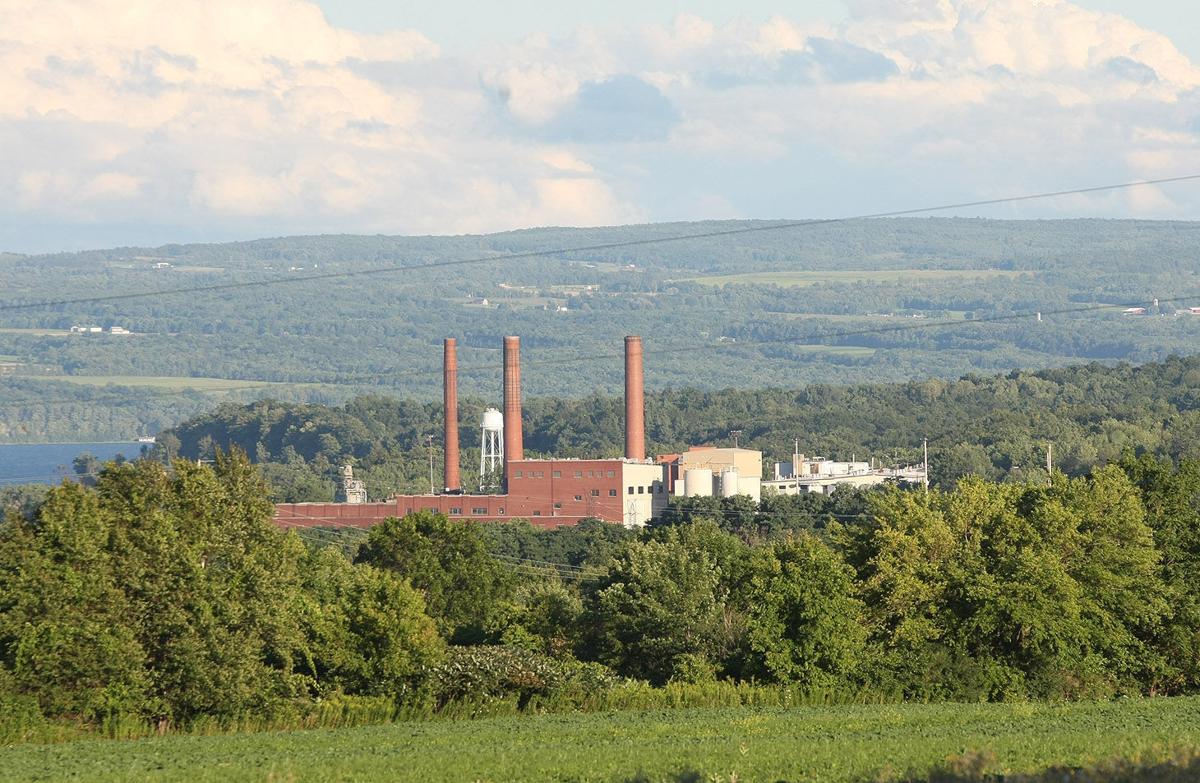
Beyond financial considerations, these facilities also raise significant environmental concerns. A number of them depend on reactivated fossil-fuel power plants, thereby increasing greenhouse gas emissions and consuming considerable quantities of freshwater for cooling purposes. They additionally produce noise pollution and substantial quantities of electronic waste, frequently concentrated in environmental justice areas that are already heavily burdened.
Seeking a Sustainable, Enduring Strategy
This proposal comes after a temporary pause, which has now expired, on new cryptocurrency mining operations powered by fossil fuels, enacted in 2022. A state environmental evaluation later estimated that current facilities could result in $10.6 billion in environmental damages between 2024 and 2050.
The new bill is crafted as a sustainable solution, striving to balance innovative advancements with environmental objectives and economic impartiality.
“By channeling revenue into programs designed to make energy more affordable,” Kelles remarked, “we are transforming a source of detrimental effects into a mechanism for providing relief.”

FingerLakes1.com is the leading digital news source for the Finger Lakes region. Founded in 1998, the company has provided area residents with news and information for over twenty years. Have a news tip? Email us at [email protected].