
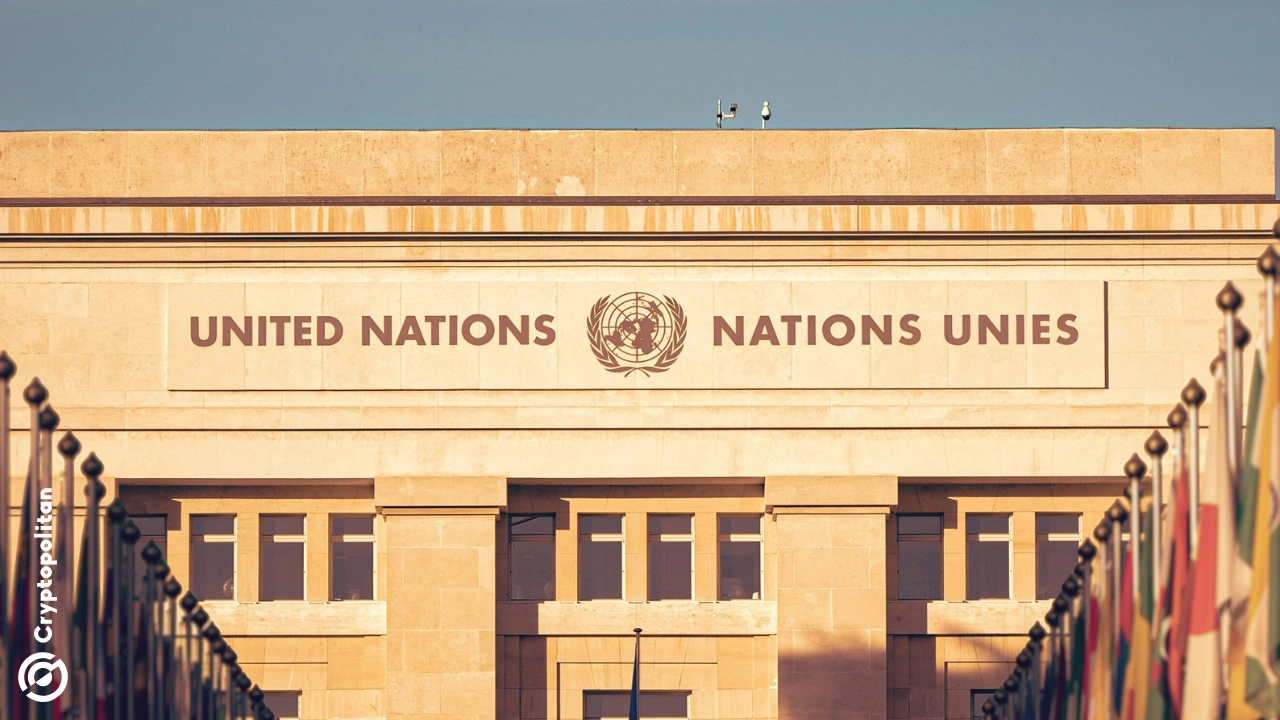
A recent United Nations report highlights the positive impact of blockchain integration within its pension administration.
Blockchain technology is increasingly recognized for its potential to boost transparency, lower operational expenses, and combat fraud across diverse sectors, including finance, supply chain management, and healthcare. Following successful trials within its pension system, the United Nations is now actively pursuing deeper integration of this technology into its core operations.
UN Champions Blockchain for Enhanced Governance
The United Nations has declared blockchain a vital component of its overarching strategy for digital transformation and improved global governance, citing the positive outcomes from its initial blockchain deployment within its pension fund management.
According to a new report published by the UN, blockchain presents itself as “the ultimate technology for digital identity verification.” The report suggests potential for widespread blockchain implementation across UN agencies, with a vision to establish it as a global digital public utility.
The United Nations Joint Staff Pension Fund (UNJSPF), responsible for managing retirement benefits for UN employees worldwide, is at the heart of this initiative. Previously, the fund relied on a cumbersome, paper-based process where beneficiaries had to manually verify their identity and proof of life.
Serving over 70,000 beneficiaries spread across 190 nations, this manual system proved inefficient, expensive, and susceptible to fraudulent activities. Over-reliance on physical documentation led to inaccuracies, processing delays, and even temporary suspension of benefits. Roughly 1,400 pension payments were halted annually due to these verification issues.
To overcome these operational hurdles, the UN partnered with the Hyperledger Foundation to implement blockchain technology. The initial pilot project began in 2020, followed by a larger implementation phase in 2021, as the pension fund transitioned to a blockchain-based digital certification platform.
UN Modernizes with Blockchain, Ditching Paper-Based Systems
The UN white paper characterized the legacy pension system as “a 70-year-old process, vulnerable to errors and potential misuse.”
Annually, the fund had to handle a massive influx of paper forms submitted by tens of thousands of retirees globally. Staff members dedicated countless hours to receiving, opening, scanning, and archiving these documents, creating numerous opportunities for human error and delays.
The report indicates that adopting blockchain technology has markedly enhanced both efficiency and transparency. Beneficiaries can now digitally confirm their status, while the fund enjoys greater security with fewer system vulnerabilities.
According to the report authors, “The shift away from handling physical documents has substantially improved processing times.” The blockchain solution empowers beneficiaries to securely authenticate their identity and status without needing to physically mail or submit paperwork. This streamlining significantly reduces processing times, bolsters system resilience, and eliminates duplicate data entry alongside redundant verification steps.
The United Nations is now actively evaluating ways to implement this Digital Certificate of Entitlement model—the blockchain-based identity system—across its various agencies, with the potential to share it with other international organizations.
Sameer Chauhan, Director of the United Nations International Computing Centre, emphasized in his concluding remarks that this project offered not just a technical solution but “an operational blueprint for organizations within the UN system to collaborate in designing secure, scalable, and inclusive digital public infrastructure.”
Claim $50 in crypto when you join Bybit today