
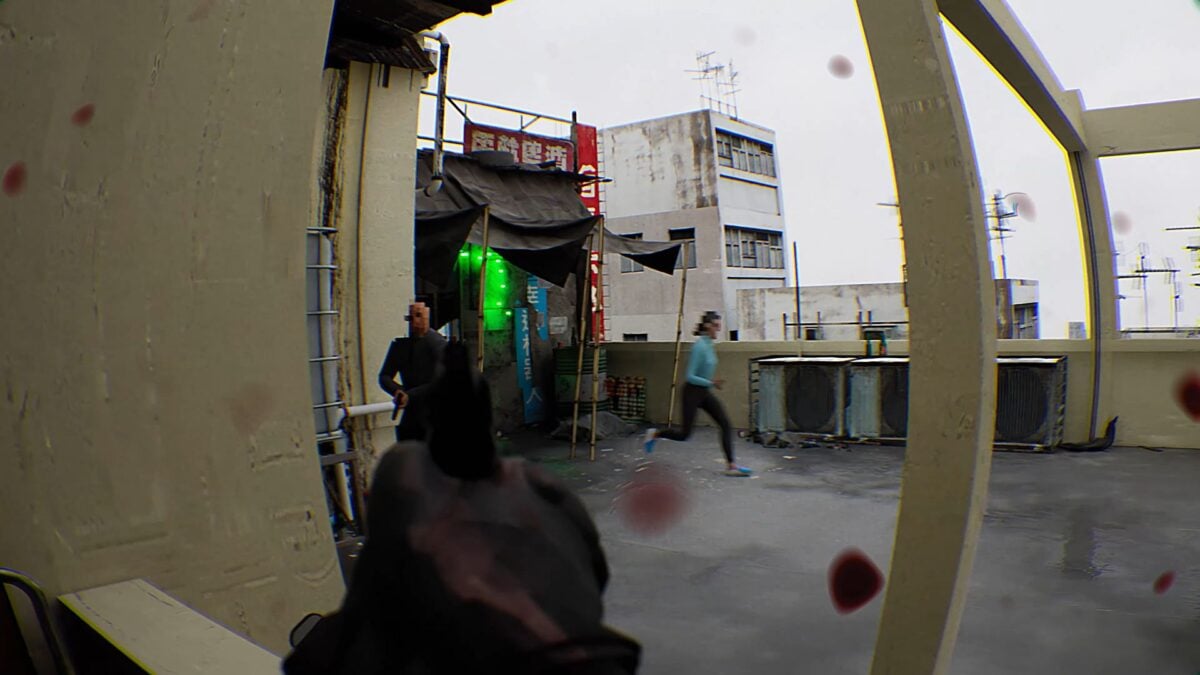
A new revenge-fueled first-person shooter, titled Better Than Dead, has been unveiled, accompanied by a trailer showcasing intense violence. The game centers around a Chinese woman who escapes enslavement and seeks retribution in the realistically rendered streets of Hong Kong. The entire game is presented through the perspective of bodycam footage. The trailer is quite graphic and realistic, potentially making this game a source of controversy.
Over the past three decades, each advancement in graphical capabilities has transformed the FPS genre. It started with the arcade-like visuals of games like Doom and evolved into the hyper-realistic depictions, also seen in later Doom iterations. As visual fidelity increased, FPS games often sparked controversy, exemplified by titles like Kingpin: Life of Crime (1999), Soldier of Fortune (2000), and various installments of Call of Duty. However, with realistic graphics becoming commonplace, reactions have somewhat lessened. Moral panics have shifted to focus on subject matter rather than visuals, as players have become accustomed to graphically realistic violence. However, Better Than Dead might reignite public concern.
As someone who has observed the evolution of gaming, I am aware of the usual tropes and discussions. Studies have shown no definitive link between video game violence and real-world violence. Personally, I enjoy violent games. However, the trailer for Better Than Dead had a powerful effect on me. It wasn’t just the gun violence, blood, or the fear of the targets, but the hyperrealistic bodycam perspective that disturbed me the most.
I avoid real-world violence. Seeing bodycam footage of police brutality is something I actively avoid. I usually differentiate between fantasy and reality, and can enjoy violent games while acknowledging the horror of real human suffering. But, the realistic bodycam perspective, including the fisheye lens and grainy textures typical of low-quality recordings, blurred that line.
The visuals in Better Than Dead sometimes appear photorealistic, and sometimes clearly game-generated. What disturbed me most wasn’t the blood, but the walls. It sounds odd, but their realism, especially the textured surfaces, closely resembled those seen in real bodycam footage. They enhanced the realism of the perspective and made everything else feel more real.
The standard perspective in FPS games typically shows a head with a gun, often feeling like a floating camera rather than a person. Bodycam footage offers a practical explanation for this format, as it is a floating camera. This realism gives the genre an unsettling, new dimension.
The fisheye lens and simulated low-quality video enhance this effect. This is more effective in outdoor scenes and less so indoors due to the variable quality. The drink bottles and monitors in the office setting sometimes look outdated. The pixelated faces, however, are effective in both environments, adding to the sense of authenticity and recovered footage.
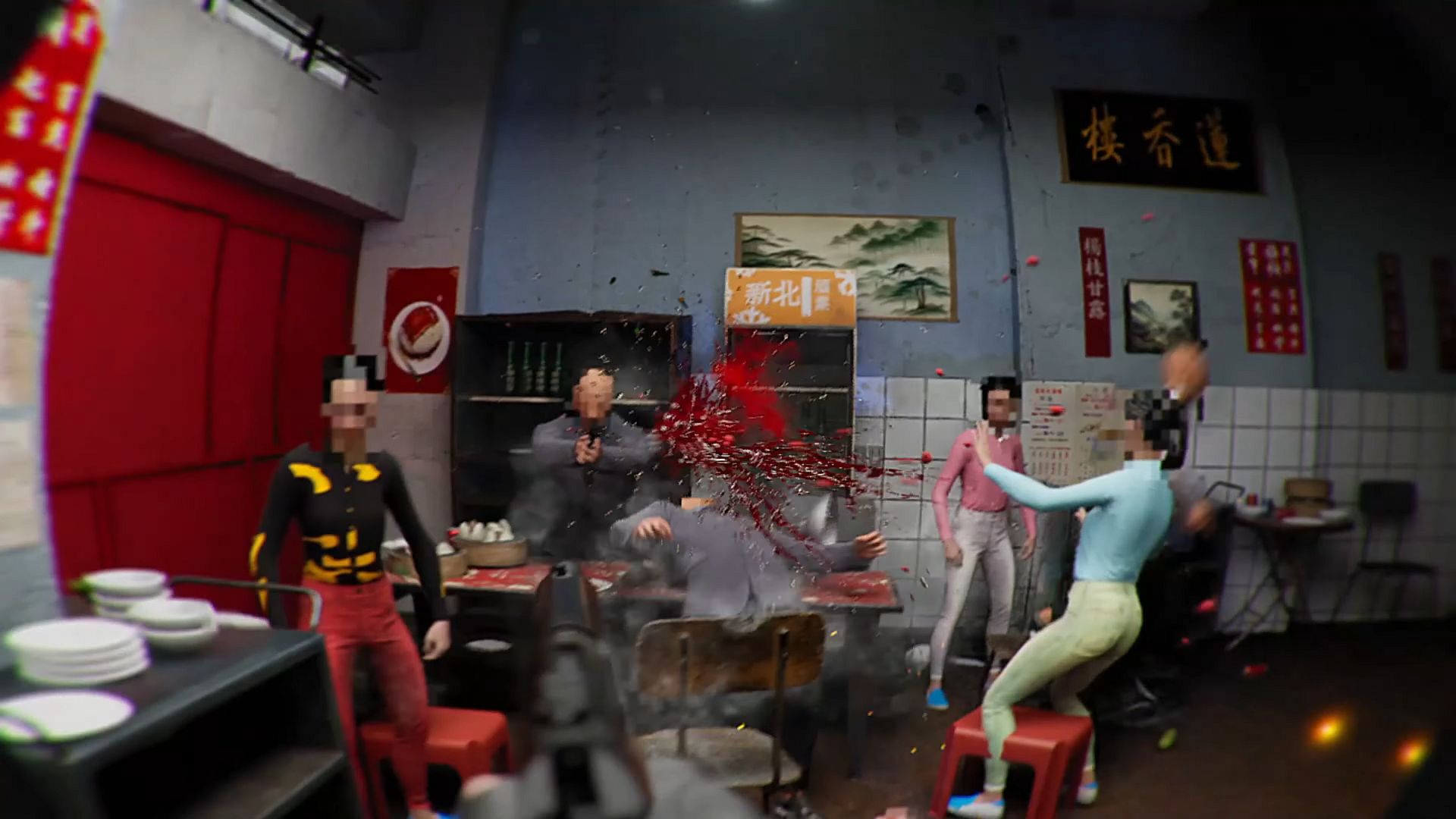
This approach could be used in a game about rescuing people and it would still feel realistic, although less disturbing. However, Better Than Dead is about a woman exacting revenge on those who enslaved her, and anyone else in the vicinity. The game’s description states, “In Better Than Dead, you’re retaliating. The protagonist turns the camera on her captors, who once humiliated her. Each mission is a ruthless raid in Hong Kong. No remorse, no hesitation, only vengeance.”
The game draws inspiration from Hong Kong action cinema from the 80s and 90s. The Vengeance Trilogy films directed by Park Chan-wook, which feature themes of revenge against captors, also seem relevant. These films also had their share of controversy.
The game’s quality remains to be seen. MicroProse, a once-prominent PC gaming company, is publishing it; it’s surprising that MicroProse is still active. The game is being developed by a solo developer whose previous works include a cute vertical shooter called Forza Polpo! and a demo for a non-violent platformer called Mountain Boy. This is quite a departure from previous work.
The game’s quality is irrelevant to those who often criticize video game violence. When it is released, it may be ignored, as many games are. But, as a long-time player of violent games, I was shocked by the trailer. I cannot recall a trailer that had this effect in recent years, perhaps not since Soldier of Fortune which seemingly shocked the industry enough to tone down the brutality.