
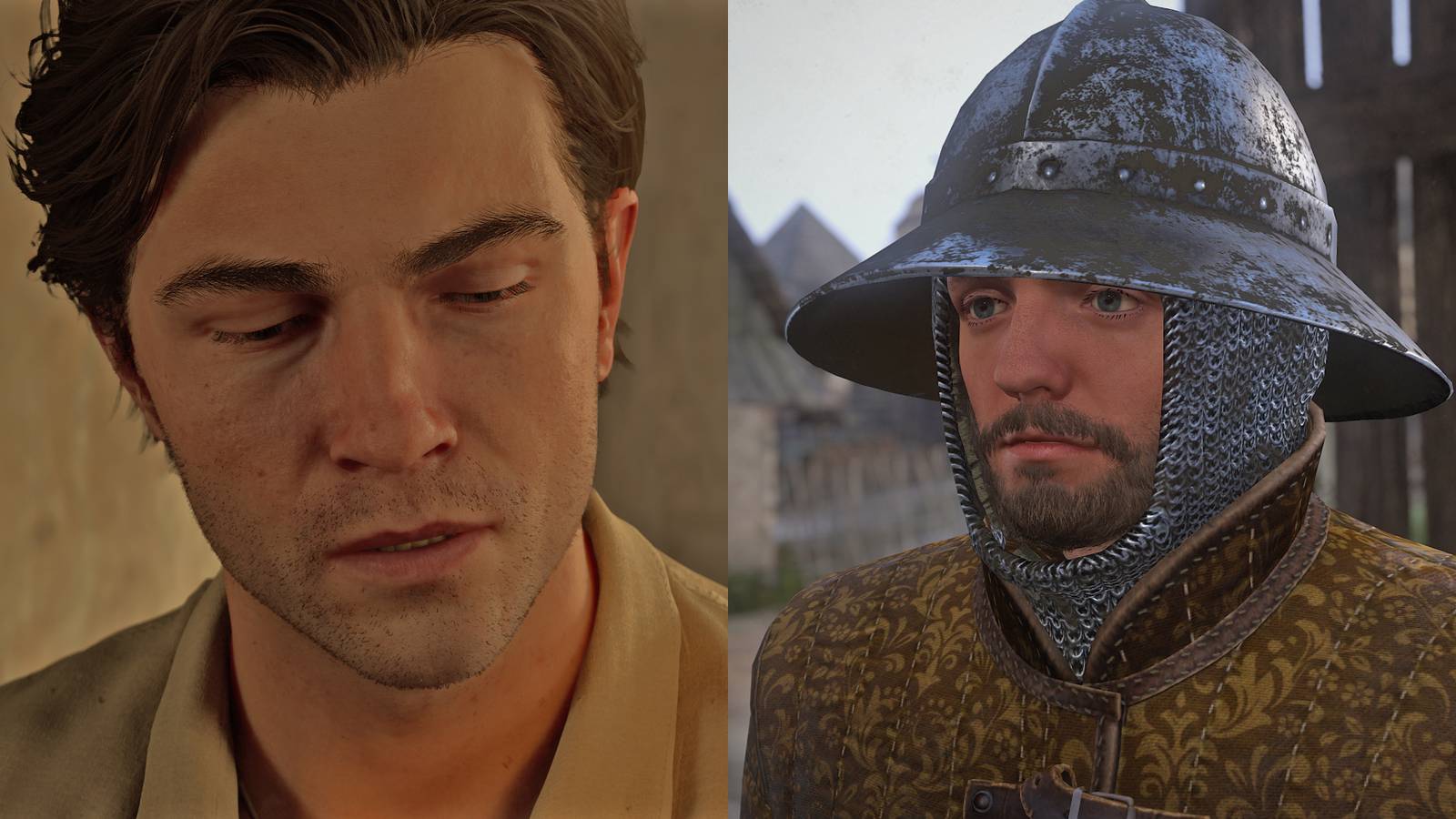
Imagine a young man stripped of everything – home, family, possessions – forced to navigate a cruel and unforgiving historical world. Sound familiar?
Meeting Enzo Favara, the central character in Mafia: The Old Country, instantly brought to mind Henry from Kingdom Come: Deliverance. Both games, set centuries apart (Enzo in the late 19th, Henry in the late 14th), aim to immerse players in a historically authentic, narrative-driven, single-player experience. However, while Henry’s journey deeply resonated with me, Enzo’s fell somewhat flat, primarily due to issues with character development.
Mafia: The Old Country begins with Enzo’s tragic past: sold into the harsh Sicilian sulfur mines as a young child. Now a teen, on the cusp of freedom, a violent incident compels him to flee and seek refuge with the Mafia. In contrast, Henry, a blacksmith’s son in medieval Bohemia, enjoyed a comparatively idyllic childhood, shattered by a brutal raid that forces him to escape and enlist in Sir Radzig’s service.
Both characters start with significant disadvantages, right? Surprisingly, not quite for Enzo. Immediately upon escaping the mines, he displays extraordinary combat prowess, holding his own in a knife fight against a seasoned Mafioso. Beginner’s luck, perhaps? But soon after, hiding at a farmhouse, Enzo effortlessly ambushes and eliminates a group of criminals. This pattern continues throughout the game – Enzo single-handedly dismantling entire gangs, making him an attractive asset for Don Torrisi, who wants this one-man army.
Accepting Enzo’s exceptional skills in stealth, knife-fighting, and marksmanship would be one thing. However, shortly after joining the Mafia, the Palio di San Celeste, a prestigious horse race, is announced. When Don Torrisi’s jockey becomes unavailable, Enzo, the former mine worker, casually steps in and wins.
Later, a car race is organized in San Celeste. You guessed it – Enzo triumphs again! When a baron’s son requires rescuing from a heavily guarded enemy camp, who resolves the situation? Enzo, the newly recruited member. When a car owner struggles to start his vehicle, Enzo instantly succeeds. And despite his deprived childhood in the sulfur mines, Enzo reads flawlessly. He is, undoubtedly, the most naturally talented individual in Sicilian history.
No offense, Henry of Skalitz, but you’re practically inept by comparison. Even with secret sword training, Henry takes considerable time to become proficient in combat in Kingdom Come: Deliverance, never reaching the level of a one-man army. My own experience at the game’s start involved attempting to rescue a girl, only to be swiftly defeated. Entering a local tournament shortly after yielded similarly embarrassing results. And a return to my ravaged village to find a sword ended in a humiliatingly brief duel against bandits.
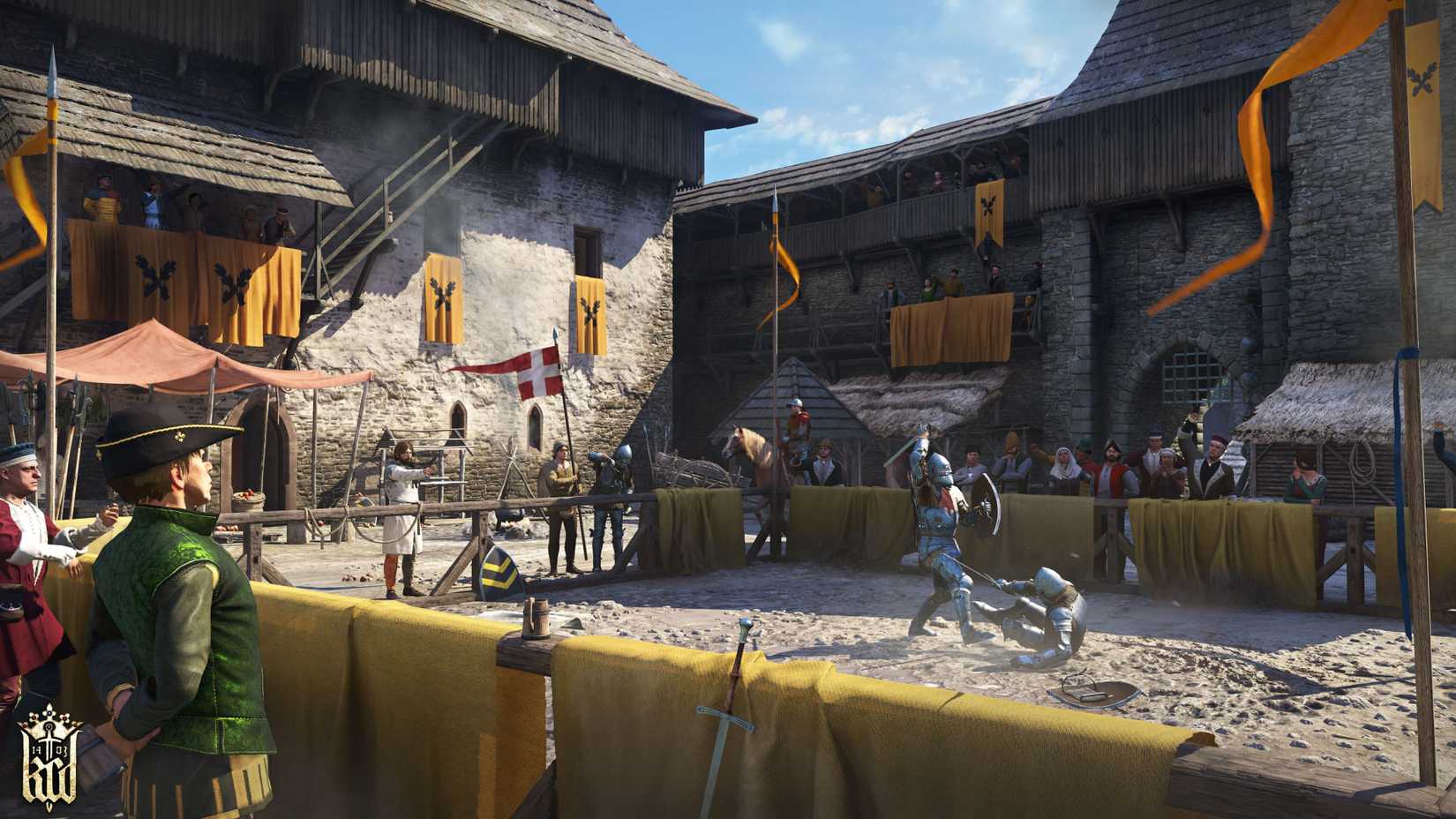
The realization that a teenage swordsman lacking proper armor is no match for experienced fighters was a harsh lesson. Poor Henry: incapable of fighting, illiterate, impoverished, and lacking in social skills… But, paradoxically, these flaws made him incredibly compelling. These struggles gave me the genuine sensation of playing a young, inexperienced character still finding his way. The rawness and realism of 14th-century Bohemia wouldn’t have been as impactful if survival wasn’t such a challenge.
Considering his background in the sulfur mines, where child laborers were often uneducated, malnourished, and physically impaired, Enzo’s hardships should have been at least as significant as Henry’s, if not more so. However, his immediate success at almost everything undermines the harshness of his situation and diminishes any sense of accomplishment as he overcomes challenges.
This lack of progression isn’t confined to skills; it extends to the protagonists’ emotional states. Both Henry and Enzo experience trauma early in their stories – Henry witnesses the murder of his parents, while Enzo’s best friend dies due to neglect. Yet, while Henry is plagued by nightmares, constantly reflecting on the destruction of his village and trying to assist fellow survivors, Enzo seamlessly integrates into his Mafia life. He seems relatively unfazed by his friend’s death, the plight of his former colleagues, or the moral implications of his choices.
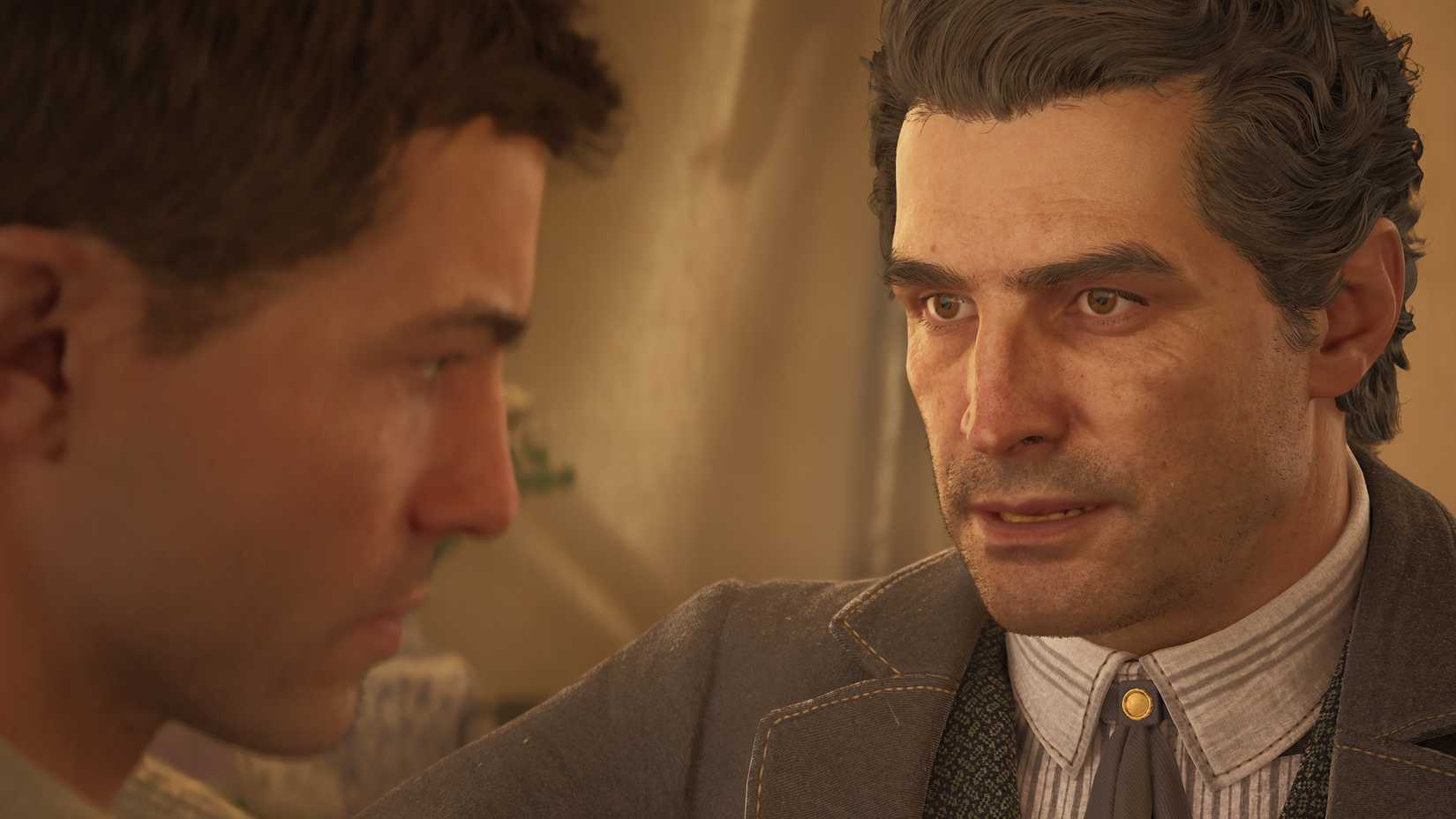
Playing as a powerful protagonist is undeniably enjoyable, and you do eventually reach that stage in Kingdom Come: Deliverance. Henry can learn to read, develop his charm, hone his combat skills, and even train dogs – all with dedication and effort. In the meantime, you must leverage your limitations. While saving the girl at the game’s onset or escaping bandits might be achievable, direct confrontation is often suicidal. Similarly, victories in tournaments, successful archery challenges, and the ability to effectively combat bandits await the mid- to late-game.
If Kingdom Come: Deliverance hadn’t so masterfully conveyed Henry’s tribulations, I might have appreciated Enzo’s story more. As it stands, however, I’ll choose the flawed medieval peasant over the effortlessly capable Sicilian action hero any day.