

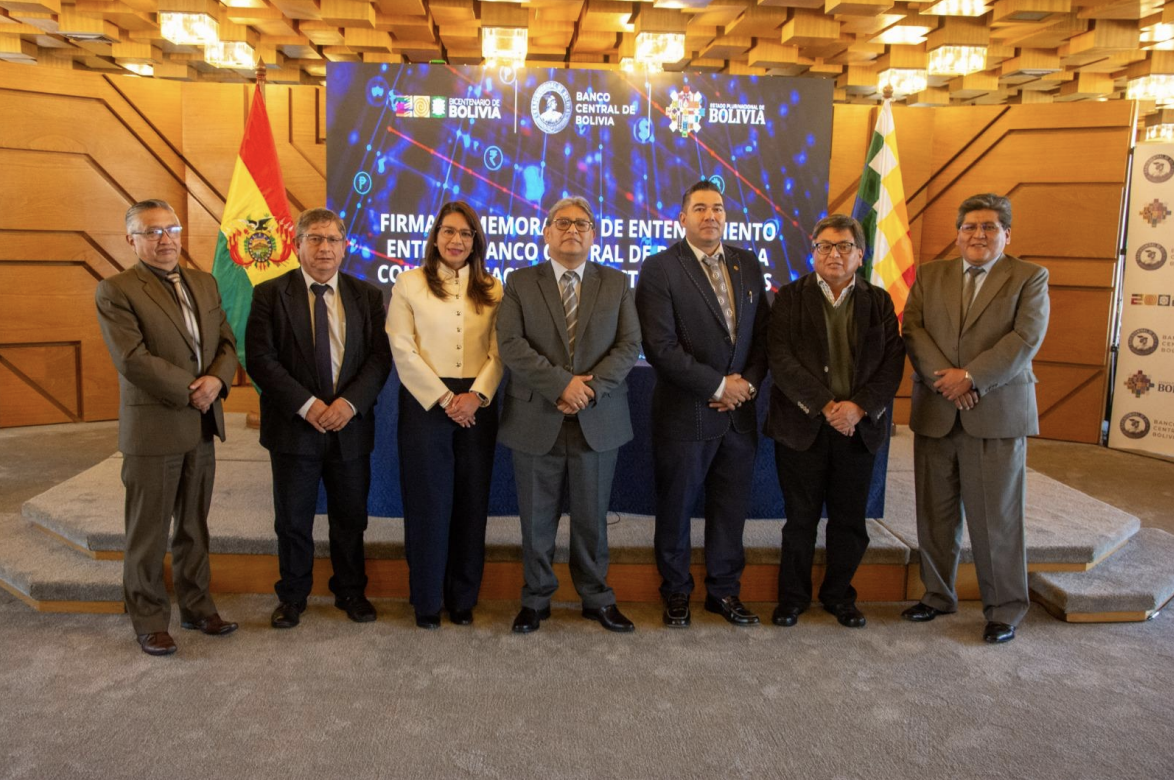
In a significant shift, Bolivia’s central financial institution has formalized a collaborative understanding with El Salvador’s National Digital Asset Commission (CNAD). This agreement aims to foster growth within the cryptocurrency sector, a notable change considering Bolivia’s past restrictions on digital currencies. Now, Bolivia refers to digital assets as a “reliable alternative” to conventional monetary systems.
This cooperation accord facilitates a shared learning environment between the two entities, encouraging the exchange of information and expertise regarding blockchain analysis tools, risk assessment methodologies, and regulatory experiences.
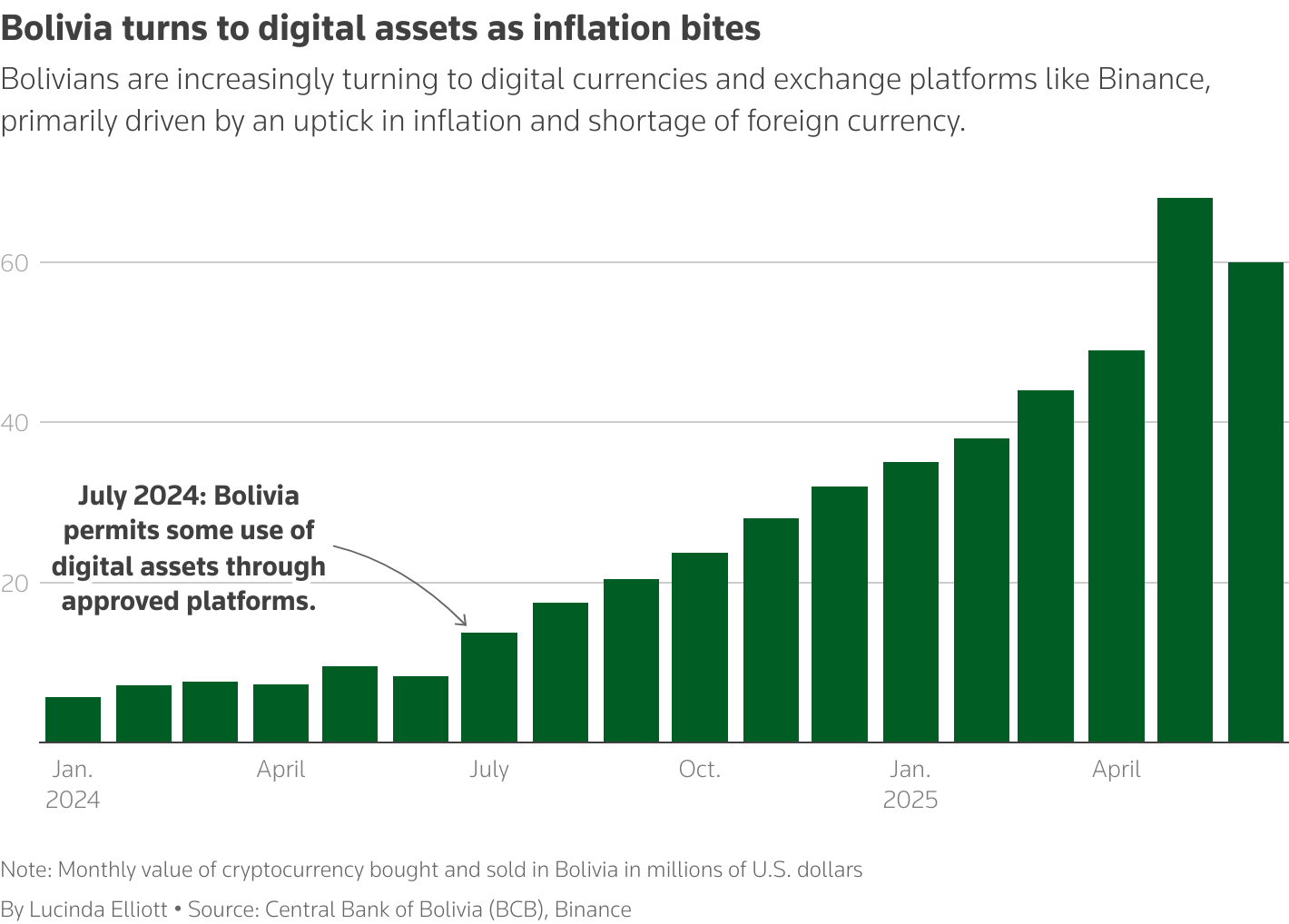
Bolivia Sees Massive Surge in Digital Asset Use: Over 500% Growth in a Year
Following regulatory adjustments, Bolivia experienced a remarkable increase in digital asset activity. Transactions soared from $46.5 million to $294 million between June of the prior year and June of the current year, marking a substantial growth trajectory.
With the immediate commencement of this long-term partnership, Bolivia is strategically positioned to leverage El Salvador’s pioneering regulatory framework and firsthand insights as the first nation to embrace Bitcoin as an official currency.
El Salvador’s CNAD has risen to prominence as a pivotal player in the international digital asset landscape.
Bolivia’s current embrace of cryptocurrency is a stark contrast to its earlier approach, which involved stringent bans on digital assets prior to the implementation of Board Resolution 082/2024 in June of the preceding year.
This revised policy now permits the lawful application of digital assets for international transactions and online commerce.
The bilateral agreement reinforces advancements made in recognizing digital assets as viable options for both households and small business owners.
Concurrently, the Central Bank of Bolivia is dedicated to formulating strategies that modernize the financial sector and expand financial accessibility through well-regulated cryptocurrency systems.
Despite limitations imposed by the International Monetary Fund (IMF) that have restricted El Salvador’s Bitcoin acquisitions and required the privatization of its state-operated Chivo wallet, El Salvador’s experiences offer invaluable guidance.
Cryptocurrency Adoption Gains Traction in Bolivia
Earlier this year, Bolivia’s Central Bank authorized YPFB, the state-owned oil firm, to utilize cryptocurrencies for the acquisition of crude oil and diesel fuel from global suppliers, commencing in March of the current year.
This move was designed to alleviate foreign currency shortages, which had resulted in fuel supply disruptions throughout the country.
President Luis Arce’s administration authorized YPFB to execute fuel import agreements using either US dollars or cryptocurrencies, acknowledging that Bolivia requires a minimum of $60 million each week for fuel imports.
The executive order stipulates that YPFB should adjust its budget to account for the financial implications, in adherence to relevant regulations.
Cryptocurrency adoption in Bolivia has quickly gained momentum. Digital asset transactions surged to over 1.1 million between July and September of the prior year, significantly exceeding the 932,000 transactions recorded in the six months preceding that period.
Six financial institutions have begun incorporating digital assets into their operations, reporting a 40% increase in activity between July and August.
To educate the public about the characteristics and risks associated with digital assets, the Central Bank launched nationwide educational programs, including over 33 workshops that reached more than 3,000 participants.
The updated legal framework enables Bolivian citizens to leverage cryptocurrency for cross-border transactions and e-commerce purchases.
The collaboration with El Salvador offers crucial technical support for the creation of secure and properly regulated cryptocurrency ecosystems.
Bolivia is joining a growing number of nations that are leveraging cryptocurrency for international trade, particularly those that are seeking alternatives to traditional banking solutions due to sanctions or strained political relationships.
IMF Conditions Impact El Salvador’s Bitcoin Strategy
El Salvador continues to hold approximately 6,244 Bitcoin, valued at $742 million, even as loan agreement restrictions imposed by the IMF have prevented new government acquisitions since February of the current year.
The $1.4 billion financial aid package requires the country to maintain its existing Bitcoin reserves and to privatize the Chivo digital wallet.
President Nayib Bukele’s prior assertions of daily Bitcoin purchases have been contradicted by IMF documentation confirming that no new acquisitions have been made since the agreement.
Analysis of blockchain data reveals that Bitcoin movements between digital wallets signify internal transfers, rather than the purchase of new cryptocurrency assets.
The IMF has commended El Salvador for revising its Bitcoin policies to mitigate fiscal risks and enhance transparency, noting that these changes will contribute to stabilizing inflation and restoring macroeconomic stability.
Under the terms of the agreement, however, Bitcoin is no longer designated as mandatory legal tender.
El Salvador’s CNAD has solidified its position as a regional leader in the regulatory oversight of cryptocurrencies, championing innovation, security protocols, and regulatory compliance throughout the digital asset sector.
The regulatory structure in El Salvador remains among the most developed and progressive globally in terms of fostering digital asset adoption.
The My First Bitcoin organization has indicated that government-sponsored educational initiatives have slowed down since the IMF agreement, resulting in declining public participation in cryptocurrency learning programs.
These shifts have raised doubts regarding the long-term sustainability of El Salvador’s initial vision for Bitcoin integration.
The post Bolivia Calls Crypto ‘Reliable Alternative’ in New El Salvador Partnership Deal appeared first on Cryptonews.