
Brazil is experiencing a significant influx of cryptocurrency mining businesses, drawn by the nation’s abundant and underutilized renewable energy resources. This unique circumstance presents a mutually beneficial opportunity for both the digital currency sector and Brazil’s energy industry.
Reports indicate that numerous cryptocurrency firms are actively engaging with Brazilian energy suppliers. The goal of these discussions is to utilize the country’s surplus of clean energy, ensuring that the national power grid remains stable.
Turning Energy Excess into Opportunity
The energy demands of cryptocurrency mining are substantial, creating strain on power infrastructures globally. However, Brazil’s circumstances are different and offer a chance to tackle both issues at the same time.
Brazil deals with a consistent excess of renewable electricity. This situation has resulted in financial losses approaching $1 billion for energy companies over the last two years. The wind energy association, ABEEolica, and the solar energy association, Absolar, have both independently substantiated these figures.
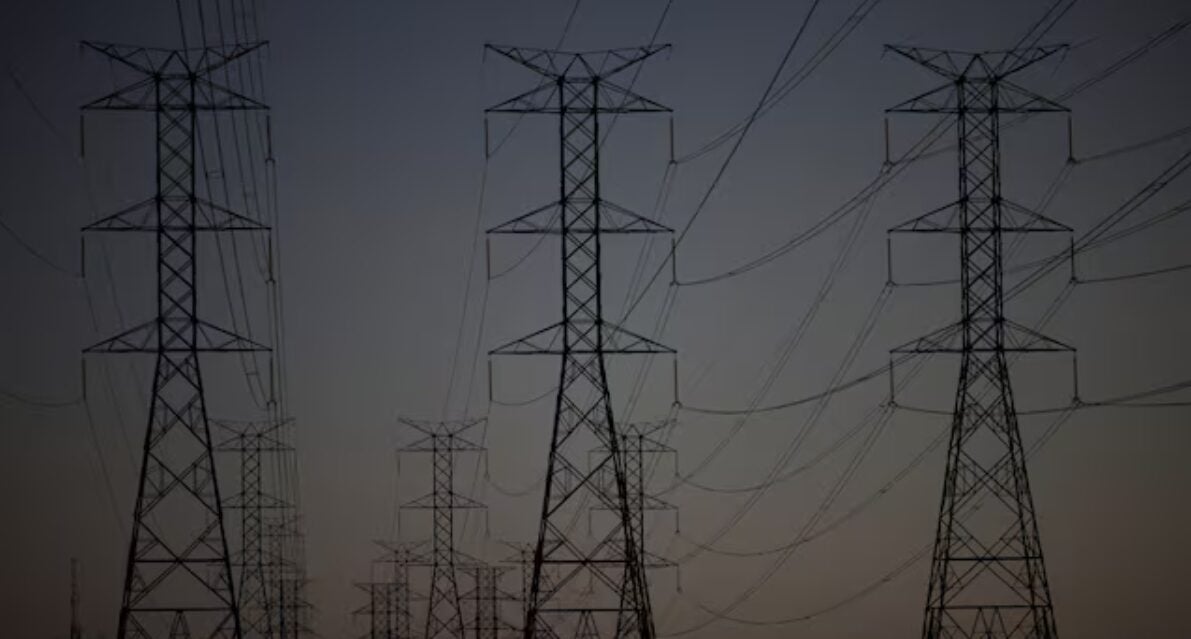
Significant investments in wind and solar farms are responsible for this oversupply of power. However, the country’s transmission infrastructure has lagged behind. Consequently, some power facilities lose up to 70% of their generated electricity.
Cryptocurrency Miners: The Ideal Energy Consumer
Crypto mining operations present a distinct advantage. Their power consumption is flexible and can be quickly adjusted based on demand. This agility makes them perfect for absorbing excess energy that would otherwise be wasted.
Energy providers see cryptocurrency companies as extremely valuable partners. As one lawyer who is assisting with numerous deals explained, they are viewed as “diamonds” because they unlock the monetary potential of previously lost energy.
Several major players are already making strategic investments. Tether, a leader in the digital asset market, is capitalizing on a recent acquisition to establish a Bitcoin mining operation. Separately, Renova Energia is investing $200 million in a mining venture for a client that has yet to be disclosed.
This strategic move positions Brazil as an emerging leader in eco-friendly cryptocurrency mining, transforming an energy challenge into a valuable digital resource.
Key Takeaways:
Why is Brazil so attractive to crypto miners?
Brazil’s wealth of renewable energy, particularly from solar and wind sources, is the major draw. This offers an affordable and greener source of energy, which can be leveraged by miners.
How do Brazilian energy providers benefit from this arrangement?
They have the opportunity to sell excess electricity that would otherwise be lost. This helps compensate for approximately $1 billion in losses stemming from renewable energy surpluses and unlocks new revenue opportunities.
Which major cryptocurrency business is investing in Brazil?
Tether, the issuer of the largest stablecoin in the world, has revealed its plan to create a Bitcoin mining operation in Brazil. The organization is planning to use renewable energy from its recent Adecoagro acquisition for its mining operation.
Are there potential issues for miners in Brazil?
Yes, cryptocurrency mining is not specifically governed by regulations at the national level. Furthermore, some of the areas with renewable energy surpluses are prone to infrastructural constraints and drought conditions that could affect mining operations.
What level of power do the various mining ventures use?
Project sizes vary significantly. Renova Energia is constructing a 100-megawatt facility, while other negotiations are ongoing for ventures utilizing up to 400 megawatts – representing a notable level of power consumption.
Source Acknowledgements
Reuters, ABEEolica, Absolar