
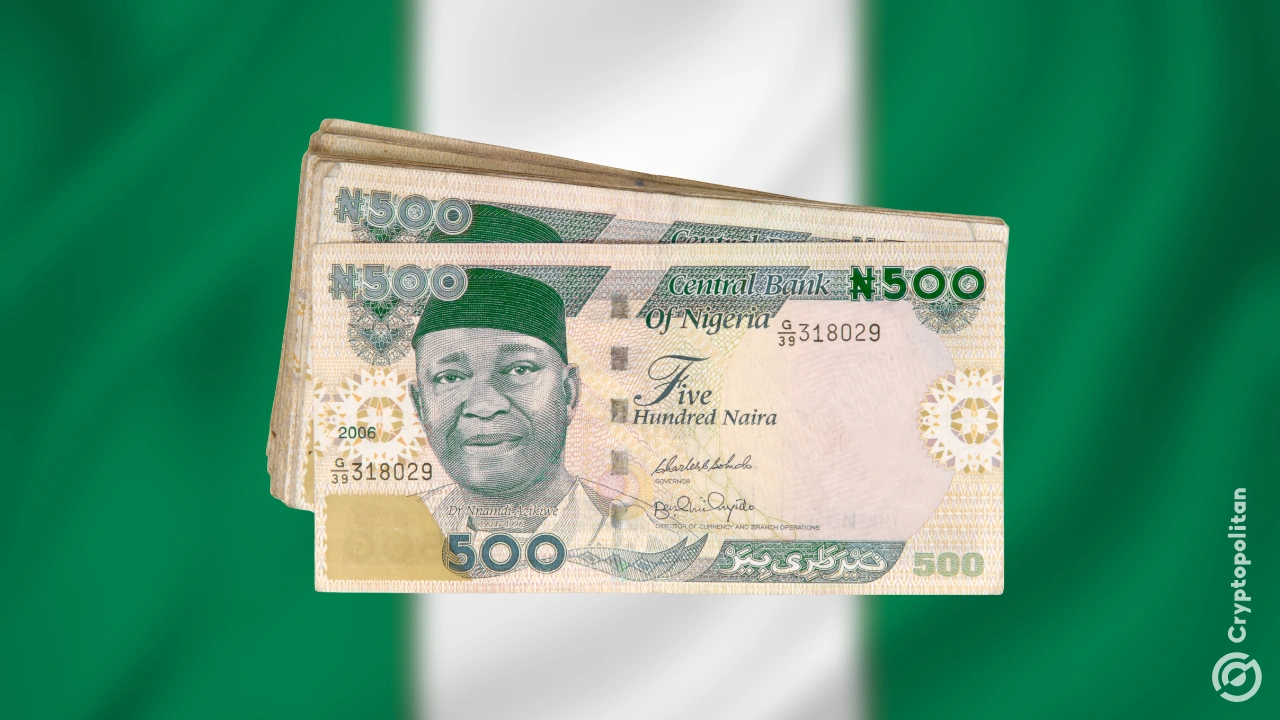
The Nigerian Central Bank (CBN) is collaborating with the Securities and Exchange Commission (SEC) of Nigeria to formulate a suitable regulatory structure for digital assets within the nation. This initiative was disclosed by CBN Governor Olayemi Cardoso during a public lecture in Lagos.
Cardoso indicated that the CBN’s collaboration with the SEC aims to establish a resilient framework for digital assets in the country. Speaking at the Lagos Business School’s annual lecture series, he highlighted that future monetary policy will be influenced by digital assets, financial technology (fintech), and blockchain technology. However, he acknowledged that the precise degree of their impact remains to be seen.
CBN to Partner with SEC on Cryptocurrency Oversight
Cardoso stated that the joint effort is designed to ensure that all aspects of digital asset regulation are thoroughly considered. He emphasized the importance of regulatory authorities working together to create a sustainable process for digital currency oversight. He also pointed out that Nigeria gained substantial global recognition in the cryptocurrency arena some time ago.
The CBN governor noted that while the country became well-known for its involvement in crypto activities, discussions surrounding regulation have been ongoing. He recalled the period roughly two years ago when regulators faced challenges in managing cryptocurrency exchange markets. He explained how cryptocurrency became a popular alternative, especially among younger people, leading to the emergence of a broader ecosystem.
As previously reported by Cryptopolitan, the Central Bank of Nigeria issued a directive in early 2021, instructing conventional banks and other financial institutions to cease providing banking services to crypto-related businesses and individuals. The CBN also directed financial institutions to close accounts associated with digital assets. The bank stated that the directive was aimed at mitigating risks related to money laundering and terrorism financing and protecting consumers in the absence of clear regulations.
Updates to Cryptocurrency Regulations and Taxation
After a two-year period, the central bank reversed its ban on digital assets in December 2023. At that time, it issued guidelines to financial institutions under its supervision regarding their relationships with Virtual Assets Service Providers (VASPs) operating in Nigeria. Cardoso reiterated that consistent policies and ongoing reforms have contributed to restoring confidence in the Nigerian economy, attracting interest from international investors.
Nigeria has also announced modifications to its cryptocurrency regulations as part of its broader goal of regulating and taxing digital asset transactions. According to a prior Cryptopolitan report, the SEC confirmed its intention to establish new rules that will subject eligible transactions to taxation. Legislation to that effect is anticipated to be passed shortly. The SEC reportedly acknowledged the significant tax revenue potential from cryptocurrency transactions.
Nigerians have experienced an unsteady environment since the CBN lifted the digital asset ban. Despite the announcements, crypto traders, particularly among the younger population, have not fully embraced open cryptocurrency transactions. Reports of police harassment related to crypto activities continue to surface. In some instances, individuals have been forced to pay substantial sums of money for owning a crypto account or engaging in transactions.
Get seen where it counts. Advertise in Cryptopolitan Research and reach crypto’s sharpest investors and builders.