
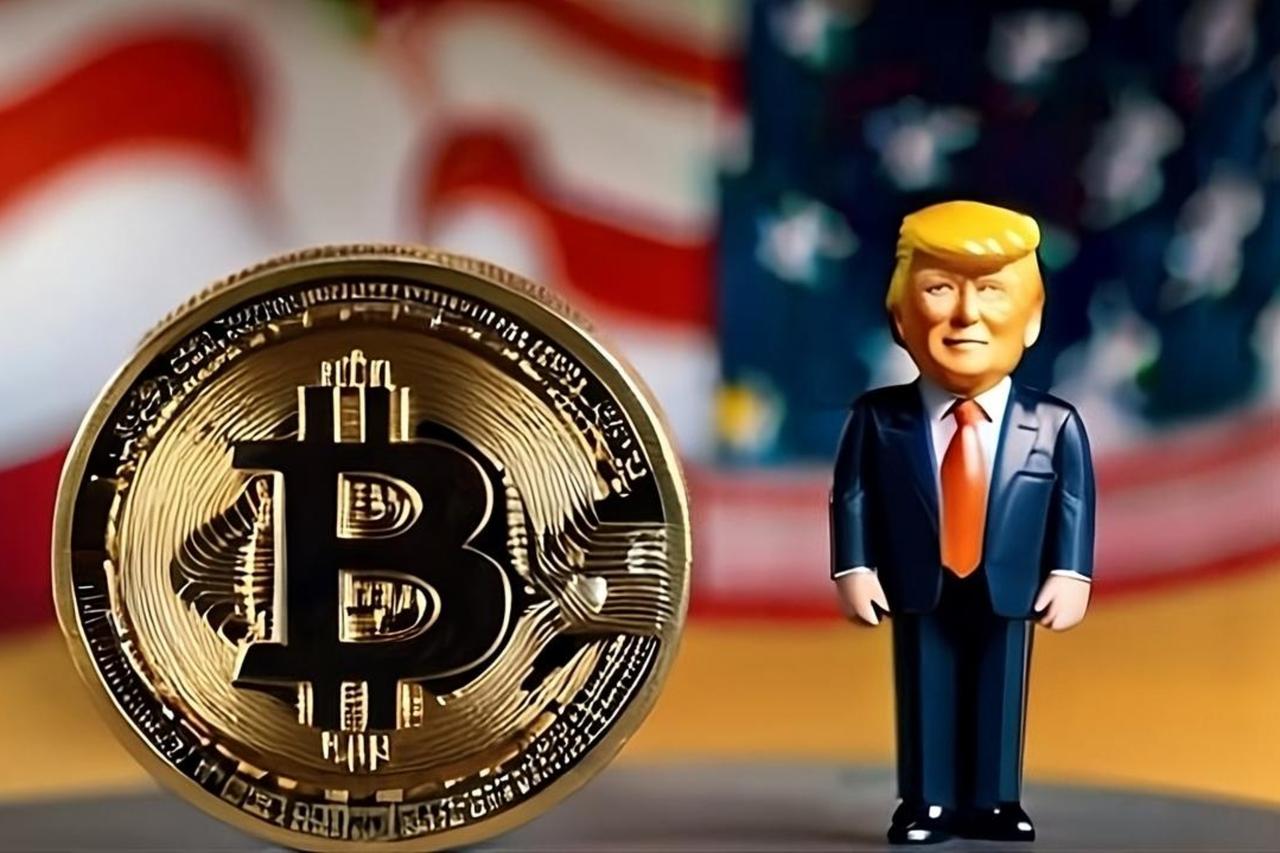
A digitally altered image shows the Bitcoin logo alongside a small representation of Donald Trump, superimposed on a faded American flag. This symbolizes the connection between the world of cryptocurrencies and the United States government policies under the Trump administration. (Image courtesy of Bitcoin Magazine)
By Newsroom
August 01, 2025 10:48 AM GMT+03:00
A special task force, advising U.S. President Donald Trump on cryptocurrency matters, is advocating for straightforward guidelines to govern the digital currency marketplace. This appeal to federal regulatory bodies is intended to encourage the acceptance of innovative financial solutions and spur faster advancement in the field.
This action underscores the White House’s growing focus on economies powered by blockchain technology, especially after the recent approval of three distinct cryptocurrency-related legislative measures earlier this month.
The recommendations originated from the White House Digital Asset Markets Working Group, established in January through a presidential directive and currently headed by entrepreneur David Sacks.
Call from Trump’s crypto group
The Digital Asset Markets Working Group, formed under the Trump administration, has put forward a comprehensive set of regulatory proposals designed to allow the United States to assume a more prominent and effective position within the digital asset landscape.
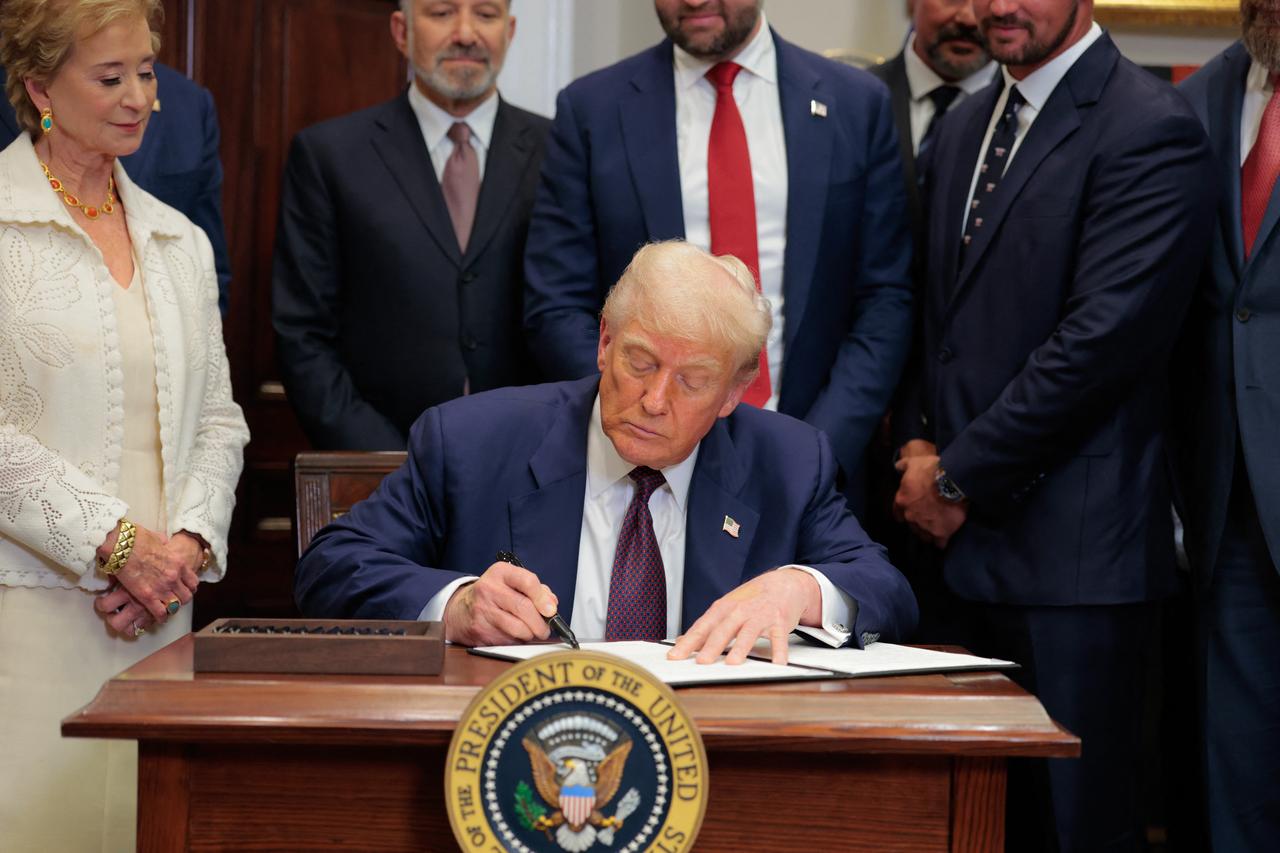

U.S. President Donald Trump is pictured signing an executive order in the Roosevelt Room at the White House in Washington, DC, on July 31, 2025. (AFP Photo)
The group’s suggestions include a request for the Securities and Exchange Commission (SEC) and the Commodity Futures Trading Commission (CFTC) to provide clear and concise regulations concerning the storage, trading, registration, and record-keeping of digital assets, and to authorize their trading promptly at the federal level.
Furthermore, the working group stresses the importance of eliminating “unnecessary bureaucratic hurdles” that hinder the introduction of inventive financial products to the market. They also propose an extensive overhaul of existing tax regulations.
Congress is being urged to develop a fresh tax structure specifically designed for cryptocurrencies, moving away from the current application of securities or commodity regulations to these assets.
While the Digital Asset Markets Working Group isn’t a formal regulatory entity, its influence is considerable. It plays a key role in guiding Washington’s cryptocurrency regulatory approach by formulating detailed recommendations on various subjects, encompassing stablecoins, market structure, custodial services, and taxation.
GENIUS Act in effect, CLARITY and CBDC bills next in line
The Trump administration’s vision regarding digital asset regulation is reflected in significant legislative steps, notably the GENIUS Act, which became law in July. Also, the CLARITY Act, which passed the House of Representatives, and the State Law Against CBDC Oversight. These laws cover a broad spectrum of regulatory areas, from the use of stablecoins to market structure and constraints on central bank digital currencies (CBDCs).
President Donald Trump officially enacted the GENIUS Act, designed to foster digital innovation, on July 18. The CLARITY Act and the CBDC bill are currently pending Senate consideration after their approval in the House. These two pieces of legislation are slated for review once Congress reconvenes after its August break.
Industry satisfied: New crypto laws could make the US a hub
The Trump administration’s focus on cryptocurrency regulation is already impacting the regulatory landscape within the U.S. Following the passage of three significant bills in July, the Atlantic Council pointed out the accelerating transformation within the sector, noting that “more businesses – including traditional banks – are likely to start providing crypto asset-related services.”
These projections align with ongoing market trends. Major Wall Street institutions, like JPMorgan, Citigroup, and Bank of America, have indicated a growing interest in the stablecoin market.
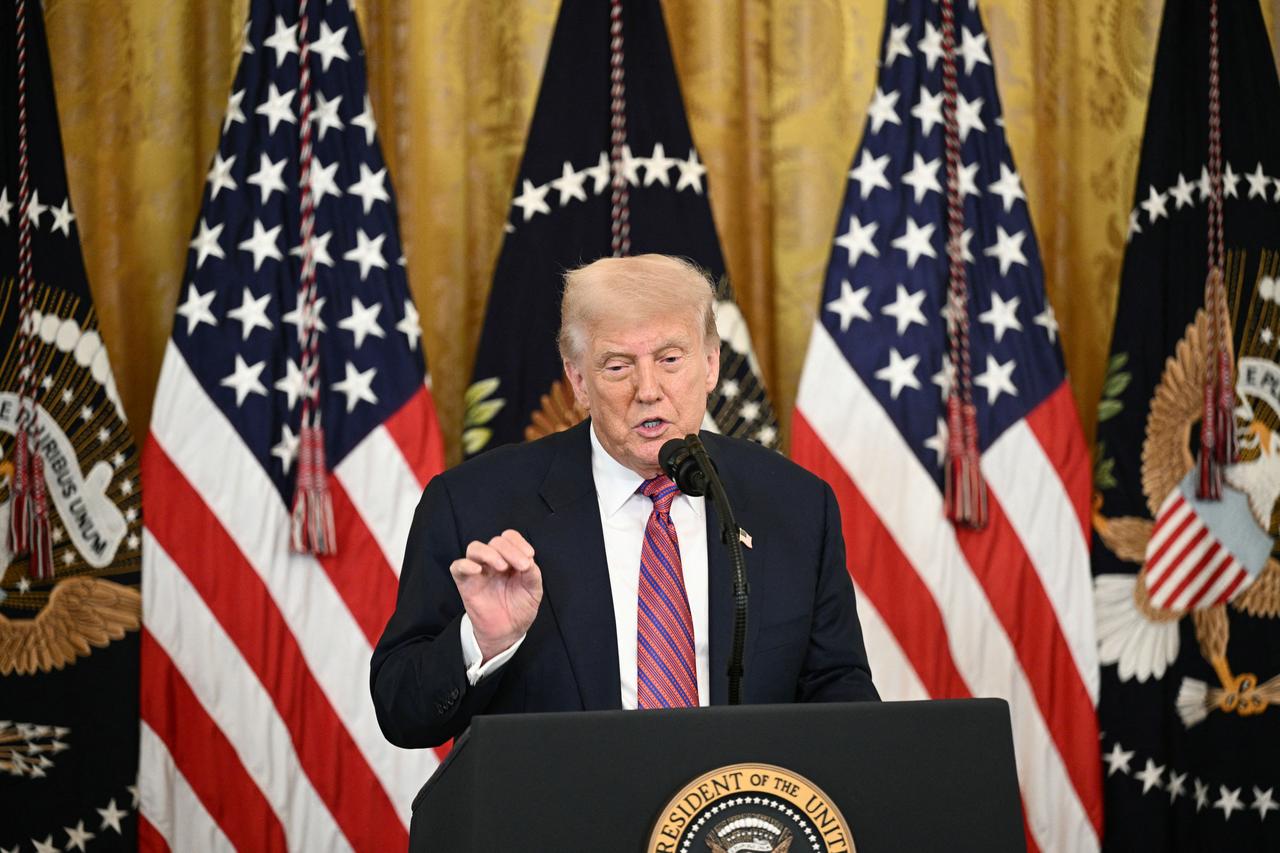
US President Donald Trump delivers remarks before signing the GENIUS Act (Guiding and Establishing National Innovation for US Stablecoins Act). This act codifies the use of stablecoins – cryptocurrencies tied to stable assets such as the US dollar or US bonds, in the East Room of the White House in Washington, DC, on July 18, 2025. (Photo by Brendan SMIALOWSKI / AFP)
According to the Atlantic Council, this could mean that American consumers may soon have the ability to conduct stablecoin transactions through their existing bank accounts and even have access to tokenized investment offerings.
Experts suggest the GENIUS Act, specifically, has the potential to be a key development for the tokenization of real-world assets. It achieves this by reducing regulatory barriers and easing the integration of the digital dollar into the emerging tokenized economy.
Michael Sonnenshein, previously CEO of Grayscale and now president of the tokenization firm Securitize, commented to The Wall Street Journal that the GENIUS Act could provide a significant boost in confidence to both investors and issuers who previously showed reluctance towards the sector. He stated, “For numerous asset issuers who had been hesitant about tokenized securities, this legislation now offers an added layer of security and reassurance.”

August 01, 2025 10:48 AM GMT+03:00