
In brief
- U.S. Senator Elizabeth Warren voiced strong concerns that recent and proposed regulations concerning digital currencies could significantly amplify potential corruption involving President Trump.
- Senator Warren claims the cryptocurrency sector is essentially authoring its own legal guidelines. She also criticized current measures as being inadequate for preventing unethical practices and safeguarding consumers.
- The Massachusetts Senator drew parallels between the current crypto regulatory discussions and legislation from 2000, which she believes contributed to the financial meltdown of 2008.
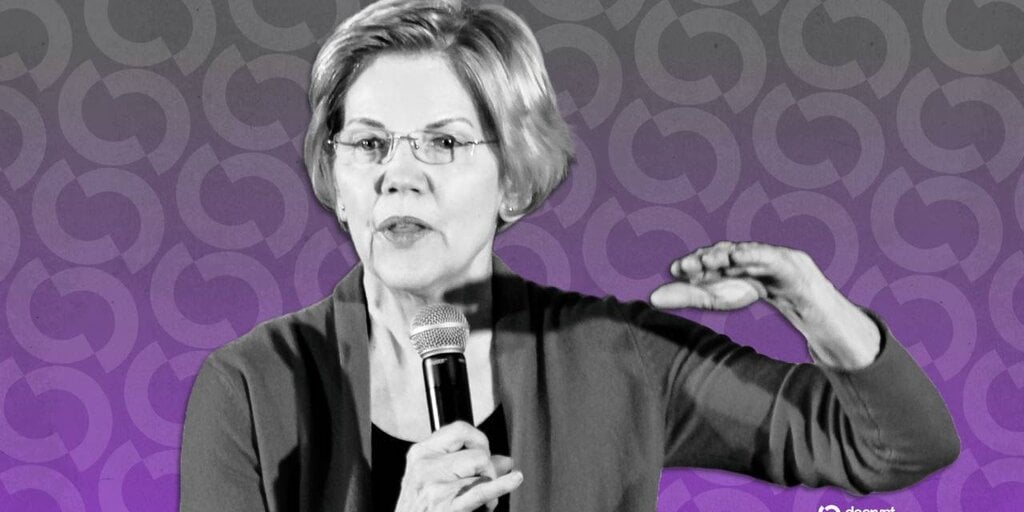
Massachusetts Senator Elizabeth Warren has expressed apprehension that freshly enacted crypto legislation could “supercharge” potential corruption linked to President Trump, particularly given his family’s digital asset business dealings, which allegedly involve substantial foreign investments.
Warren leveled these accusations during an appearance on MSNBC‘s Morning Joe, further suggesting that the cryptocurrency industry is essentially drafting its own regulatory environment.
We need strong crypto regulation – not an industry giveaway that puts our economy at risk and supercharges President Trump’s corruption. pic.twitter.com/6sVbwMiSFf
— Elizabeth Warren (@SenWarren) August 10, 2025
According to Senator Warren, “We require regulations that effectively limit corruption, prevent elected officials from engaging in potentially corrupt crypto trading, and minimize the risk of crypto destabilizing the entire economy.”
The Senator specifically targeted both the recently approved GENIUS Act and the proposed CLARITY Act, highlighting what she sees as unprecedented levels of lobbying activity from the crypto industry.
Warren has consistently opposed both legislative initiatives, citing concerns over President Trump’s significant financial interests in the digital asset space through his family’s involvement with World Liberty Financial.
The Senator described current regulations as “woefully inadequate,” leaving the door open for exploitation and potential use by “terrorists and those engaged in illicit drug trafficking.”
She argued that the United States must enact regulations that “curtail corruption,” ensure the protection of consumers, cut off avenues for illegal financial activities, and prevent the cryptocurrency industry from effectively “writing its own rules.”
Zakhil Suresh, CEO of the crypto asset management firm BitSave, told Decrypt, “The regulatory framework for cryptocurrencies in the U.S. is still in its formative stages, and Senator Warren’s worries regarding corruption, systemic risks, and illicit applications are well-founded.”
“The CLARITY Act, which recently passed the House, represents a positive step forward, but its ultimate form should be shaped by input from a diverse range of stakeholders, rather than solely the crypto industry,” he added.
Concerns Over Cryptocurrency Legislation
Senator Warren has consistently referred to Trump’s involvement with USD1 as “questionable,” emphasizing the stablecoin’s growth following a $2 billion investment from the UAE and cautioning that these new laws could directly provide him with financial benefits.
Recently, Warren equated the current discussions around cryptocurrency legislation to the Commodity Futures Modernization Act of 2000. She believes this previous act’s lack of regulation for derivatives was a contributing factor to the 2008 financial crisis.
Senator John Kennedy, a Trump ally, has also raised concerns regarding the crypto industry’s involvement in crafting its own regulations, arguing against inadequate oversight and comparing it to allowing the internet to “self-regulate.”
Nitesh Mishra, co-founder and CTO of the hedging platform ChaiDEX, told Decrypt that existing U.S. cryptocurrency regulations “often fail to adequately address critical issues like corruption, illicit activities, and consumer protection.”
Mishra pointed out that the U.S. holds a dominant position in global crypto infrastructure while simultaneously pursuing a strategy of re-dollarization, yet alleged Trump seems to be more focused on “manipulating market liquidity for short-term gains” rather than implementing comprehensive regulatory frameworks.
Calling the situation ironic, he suggested that crypto, “originally intended to challenge the collusion between banking and government,” might now reinforce established institutions, with unclear reforms potentially “stifling genuine innovation in the retail sector.”
Daily Debrief Newsletter
Start every day with the top news stories right now, plus original features, a podcast, videos and more.