
The Guidance
- New regulations for digital assets are on the horizon.
- Questions arise regarding the capability of regulatory agencies to oversee the cryptocurrency space after budget adjustments.
A version of this analysis was featured in
The Guidance
newsletter on August 11.
Subscribe
here.
Hello everyone, Liam here.
The introduction of updated crypto regulations has generally been welcomed by many in the industry.
With comprehensive frameworks established for stablecoins via the
FIT21 Act and market structure
, major banking institutions express more comfort in integrating crypto-based offerings.
Increased investor confidence could potentially increase investments.
However, apprehensions are growing regarding the ability of governmental bodies to administer these new standards due to staff limitations.
Earlier this year, former US President Donald Trump, along with tech figure Elon Musk, implemented workforce reductions, which impacted government functions.
“When new laws are enacted, it is imperative that there exist adequate regulatory bodies and enforcement agencies capable of ensuring these laws are properly executed,” noted Ari Redbord, the global policy head at TRM Labs, this past Wednesday.
Substantial cuts have been implemented across multiple agencies involved in combatting fraudulent activities and financial malpractices within US financial sectors.
Reports from May show over
2,000 staff positions
eliminated from organizations such as the Securities and Exchange Commission, the Office of the Comptroller of the Currency, and the Federal Deposit Insurance Corp.
For investors, this raises concerns. Here’s why.
According to financial regulation expert Lee Reiners at Duke University, “The real risk lies in the potential increase in fraud and investor exploitation. While the crypto sector wants the appearance of regulation, it desires to avoid impactful regulation.”
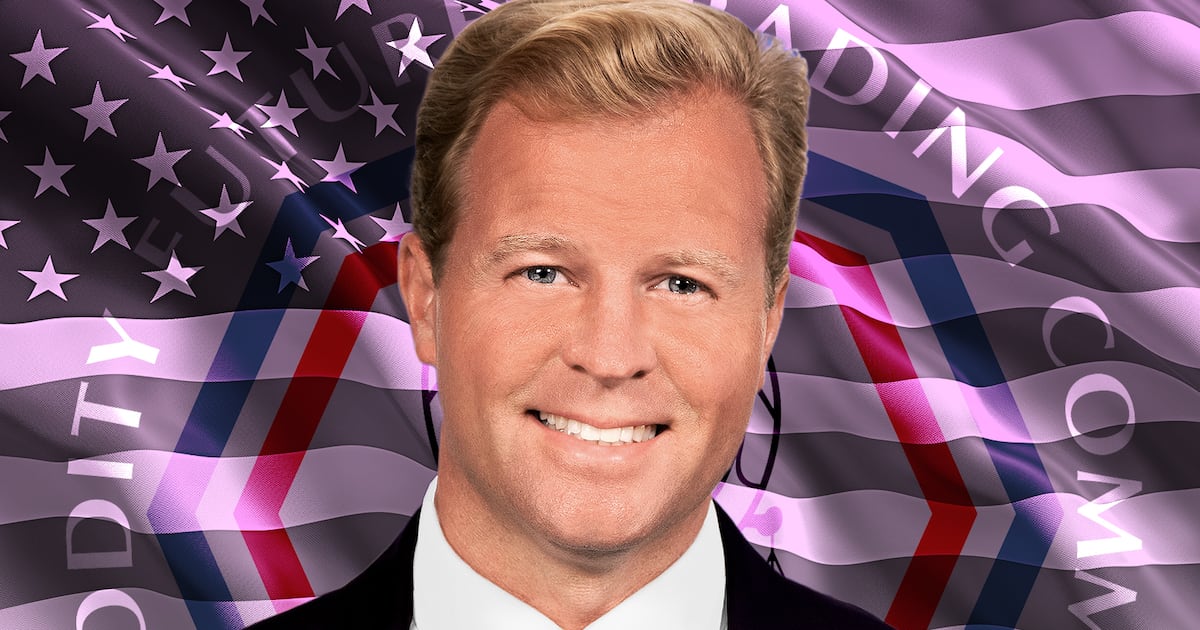
An example of this tension appeared when Tyler and Cameron Winklevoss, the founders of the Gemini exchange, voiced their opposition to Donald Trump’s proposed appointment of
Brian Quintenz
as the next leader of the CFTC. The publication
Politico
reported
this news in July.
Why?
During the
Senate Committee on Agriculture, Nutrition, and Forestry
nomination hearing, Quintenz advocated for budgetary augmentation to enable the agency to more effectively oversee the crypto industry.
It’s important to remember that proposed legislation could potentially bring many digital tokens and cryptocurrencies under the regulation of the CFTC.
Insiders say that it’s an easy talking point for crypto skeptics.
Ron Hammond, the head of policy at Wintermute, stated that this concern is “often linked to recent actions and budget cuts within governmental departments.” Hammond continued, “Framing concerns in these terms is simpler than scrutinizing particular regulatory actions.”
To compensate for regulatory personnel gaps, Hammond stated that several organizations are using Artificial Intelligence (AI) to close regulatory gaps.
Sam Altman, the co-founder of OpenAI, has also demonstrated a willingness to contribute.
Altman made a
proposal
on Thursday to provide frontier models to the US government for a minimal fee.
ICYMI
Story of the Week
Roman Storm, a co-creator of the Tornado Cash crypto mixing platform, was judged guilty of conspiring to run an illegal money transfer operation. The jury, however, was split on other serious charges.
Storm’s legal representative, Brian Klein, released a statement expressing relief that the jury did not convict Roman on sanctions violations or money laundering. “We see substantial legal issues with the remaining money transmitting count and will persist in our defense of Roman, with full vindication anticipated.”
Post of the Week
The SEC indicated that liquid staking protocols don’t automatically involve securities transactions, which serves as a win for the $66 billion DeFi sector.
Amanda Fischer, COO at Better Markets and former SEC chief of staff, critiqued it on social media.
‘The SEC’s recent action offers the DeFi sector an equivalent to Lehman Brother’s rehypothecation, only worse given the SEC or Fed has no oversight.’
Amanda Fischer, COO at Better Markets