
Local authorities have noted a rise in cryptocurrency-related fraud cases in recent years, particularly those involving cryptocurrency kiosks located throughout the county. Since cryptocurrency can be a complicated topic for many, we’ll explain the basics and how these scams might affect you.
Often called “Bitcoin ATMs,” these kiosks are officially termed “Virtual Currency Kiosks” under Minnesota law. Resembling traditional ATMs, they can be found in various retail locations like convenience stores, drugstores, tobacco shops, liquor stores, and supermarkets. Instead of dispensing cash, these machines facilitate the buying and selling of cryptocurrencies like Bitcoin. They allow customers to deposit cash which is then credited to another person’s digital wallet, moved between a single person’s wallets, or provided as cryptocurrency to another individual.
Think of cryptocurrency kiosks as specialized ATMs focused solely on cryptocurrency transactions. They function similarly to cryptocurrency wallet apps on your phone. Scammers sometimes trick people into using these kiosks to transfer funds to a cryptocurrency wallet, allowing them to steal the money and vanish without leaving a trace. These requests often come with a sense of urgency, pressuring victims into acting quickly.
To safeguard consumers from cryptocurrency fraud, a new Minnesota law took effect on August 1, 2024. With the increase in crypto scams and the use of crypto kiosks for illicit gains, this law is designed to offer protection and facilitate the recovery of funds lost to fraud. The Financial Institutions and Enforcement Divisions of the Minnesota Department of Commerce are actively ensuring that crypto companies are licensed to operate within the state and adhere to the new consumer protection regulations.
As more and more people utilize crypto kiosks, which function similarly to cash ATMs, they are unfortunately becoming prime targets for scams. The Department of Commerce collaborated with lawmakers, local law enforcement, and other stakeholders during the 2024 legislative session to create this crucial consumer protection measure.
The law imposes the following requirements on licensed crypto kiosk operators:
- Clearly communicate all relevant terms and conditions to customers.
- Provide refunds to new customers who are victims of fraud.
- Implement a maximum daily transaction limit of $2,000 for new customers.
Furthermore, kiosk operators must possess a money transmission license. You can verify an operator’s licensure by visiting:
https://www.nmlsconsumeraccess.org/
.
The Minnesota Department of Commerce is dedicated to serving and protecting consumers and maintaining a robust and fair marketplace. Minnesota consumers and businesses can submit complaints or confirm licenses related to non-bank entities by reaching out to the Department of Commerce’s Enforcement Division:
Scammers are continuously devising new methods to exploit cryptocurrency for financial gain. Here’s how to avoid becoming a victim of cryptocurrency scams:
- Cryptocurrency payment demands are a hallmark of scams. Legitimate businesses will not demand advance payment in cryptocurrency to buy something or protect your assets. This is a clear indicator of fraud.
- Be wary of guaranteed profits or high returns. Avoid anyone promising rapid and easy wealth through cryptocurrency investments.
- Exercise caution when online dating intersects with investment advice. If someone you meet online through a dating site or app encourages you to invest in crypto or asks you to send them crypto, it is likely a scam.
In conclusion, Minnesota’s cryptocurrency regulations in 2025 reflect a balanced approach. The state has taken proactive steps to integrate digital currencies into its legal framework, prioritizing both consumer protection and financial stability while also fostering technological advancements. As the cryptocurrency industry continues to evolve, Minnesota’s regulatory policies will likely adapt to ensure ongoing governance in this rapidly changing financial landscape. Learn more about Minnesota crypto laws and avoiding crypto scams to protect your assets.
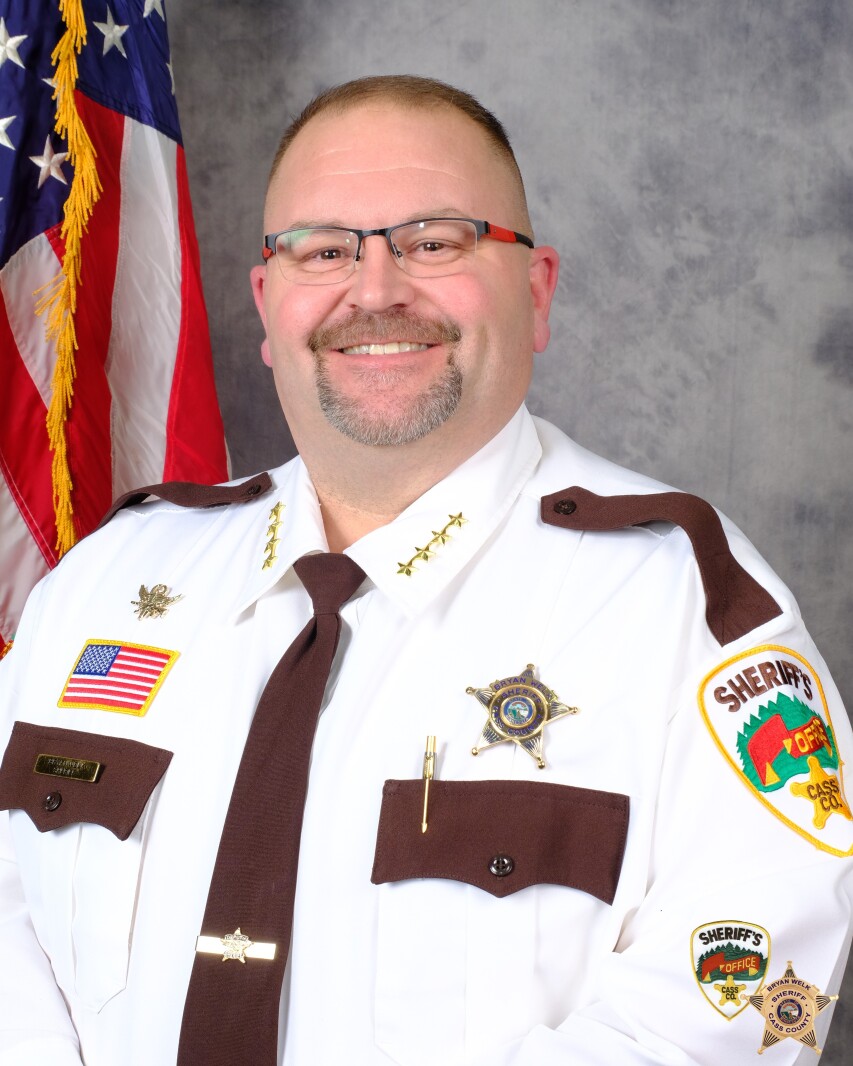
If you have any questions that you would like addressed in this column or in person, feel free to contact me at your convenience through any of the following methods: By email at
; by phone at 218-547-1424 or 800-450-2677; or via mail or in person at the Cass County Sheriff’s Office, 303 Minnesota Ave. W, P.O. Box 1119, Walker, MN, 56484.