
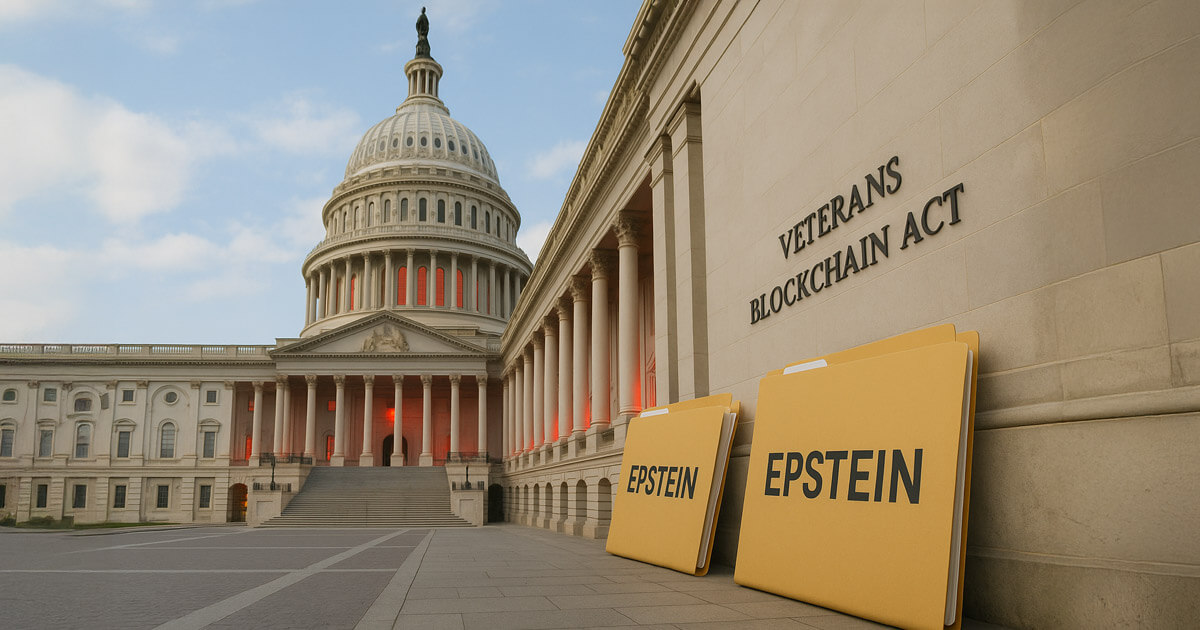

The U.S. House of Representatives concluded its legislative work on July 24th, taking an earlier-than-expected August recess. This decision puts a temporary stop to all legislative activities until after the Labor Day holiday.
Speaker of the House, Mike Johnson, officially announced the start of the recess during a session on the floor, effectively suspending all voting and procedural tasks until the week of September 8th at the earliest.
This break in proceedings arrives amid heated discussions surrounding a proposed modification aimed at making previously confidential files related to Jeffrey Epstein publicly available.
Epstein Amendment and the GENIUS Act
Just last week, a last-minute effort to include an Epstein-related amendment initially threatened to impede the progress of House business. Ultimately, this threat was contained. Representative Ro Khanna sought to add an amendment that would have required the Justice Department to release Epstein-related documents within a 30-day timeframe to the GENIUS Act, which primarily addresses stablecoins.
The House Rules Committee voted down the amendment, with a close decision of 6–5. Subsequently, Democrats indicated that they might pursue further procedural actions.
The continued disagreement led Speaker Johnson to declare that no further votes would be held until September, effectively concluding the House session one week ahead of schedule.
Although this decision halts current legislative actions, it does not negatively impact crypto-focused legislation that has already been passed by the House.
These approved measures include the GENIUS Act, a piece of legislation concentrating on stablecoins that has already cleared the Senate and been signed into law by President Donald Trump; the CLARITY Act, which is designed to clarify the regulatory boundaries between the SEC and the CFTC; and the Anti-CBDC Act, which seeks to prevent the Federal Reserve from introducing a central bank digital currency.
The latter two pieces of legislation are now under consideration by the Senate. Following the House votes earlier this month, no further action is required from the House side.
Early Recess Delays Crypto Legislation
However, the early adjournment does postpone advancement of additional cryptocurrency-related policy matters, most notably concerning tax law.

During an Oversight Subcommittee hearing held by the House Ways and Means Committee on July 16th, committee members discussed the importance of updating the current taxation frameworks for digital assets. Proposals included creating a de minimis exemption for small-value transactions, clarifying the tax treatment of staking rewards, and modifying the existing wash-sale regulations. Lawmakers indicated their intention to introduce a draft bill “in the near future,” but any such legislative actions will now be put on hold until the recess is over.
One measure pertaining to blockchain technology is also affected by the recess: the Veterans Affairs Distributed Ledger Innovation Act of 2025 (H.R. 3455). This bill, sponsored by Representative Nancy Mace, would instruct the Department of Veterans Affairs to examine how blockchain technology could improve the process for handling benefits claims.
The proposal was approved during a subcommittee hearing on June 11th, but still needs to pass a full committee markup and receive a vote on the House floor. Because of the recess, no further progress on the bill can be made until the week of September 8th, at the earliest, which effectively freezes its progress until the House reconvenes.
The legislation calls for an extensive review into how distributed ledger technologies can make the VA’s claims systems more transparent and efficient. It stresses the need for tamper-proof records to track each step of the decision-making process and prevent fraud, while also establishing a formal definition for distributed ledgers to ensure that the department doesn’t simply replace them with standard database solutions.
If enacted, the Secretary of Veterans Affairs would be required to submit a report on their findings within a year. This report would include potential pilot programs and any legislative changes needed to implement blockchain solutions. However, the bill’s future is uncertain until the House resumes its activities.
Although lobbying efforts and the work of committee staff may continue behind the scenes during the recess, the House’s early departure brings a halt to all new action on the House floor until September.
The cryptocurrency-related bills that were approved by the House before the recess are unaffected and are now awaiting further consideration by the Senate and the White House.
In the meantime, measures such as the VA blockchain study will remain inactive until lawmakers return to Washington.