
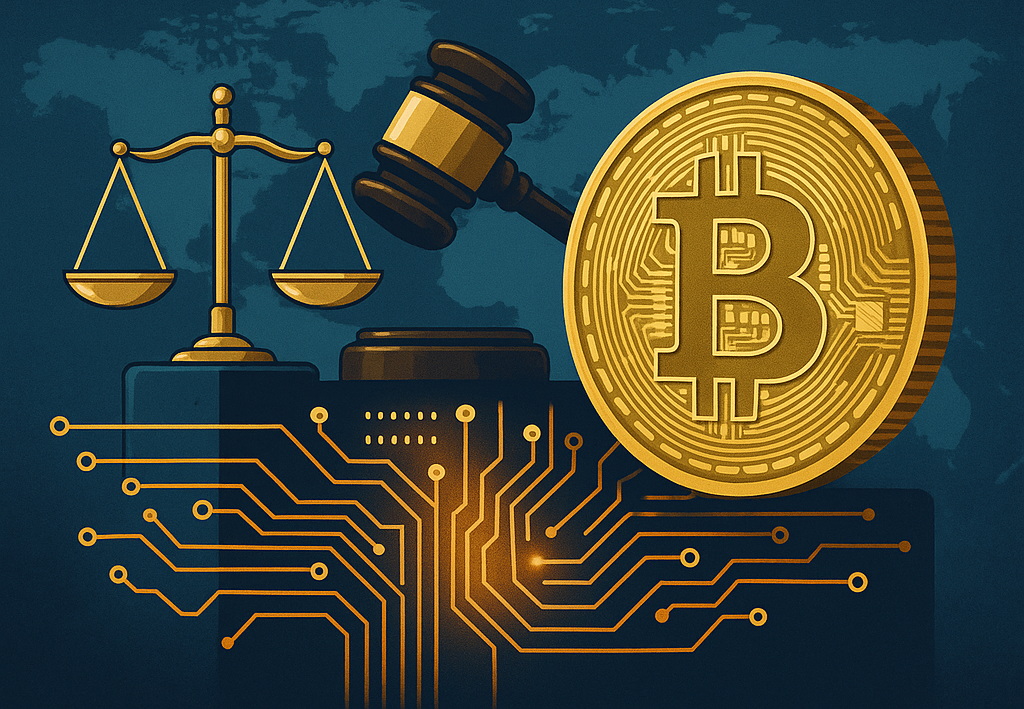
A robust financial system relies on effective regulations. However, the rapid pace of technological advancements, particularly in the realm of digital payments, presents ongoing challenges to maintaining regulatory oversight. Cryptocurrencies exemplify this issue. These digital currencies utilize cryptography for security and operate on decentralized systems, diverging from traditional centralized banking authorities.
Globally, central banks and financial regulators face difficulties in effectively governing cryptocurrencies. Implementing and enforcing crypto regulations involves establishing control mechanisms, mitigating potential financial risks, and aligning crypto activities with national monetary and economic strategies. The complexity and distributed nature of cryptocurrencies makes this a formidable task.
Crucially, cryptocurrencies connect with traditional fiat currencies, enabling users to buy, sell, or convert between them. This interaction necessitates regulation to ensure secure and efficient transactions. Effective regulations encompass managing capital flow, safeguarding investors, addressing tax implications, providing legal clarity, unifying regulatory supervision, enforcing activity-based rules, combating money laundering and terrorism financing (AML/CFT), and ensuring macro-financial stability.
A cornerstone of crypto regulation involves licensing and supervising crypto-service providers (custodians, exchanges, etc.) under the principle of “same activity, same risk, same regulation.” Implementing strong safeguards, especially for stablecoins and institutions with crypto exposure, is essential. International collaboration through standardized AML practices, data sharing, and cross-border supervision is vital for the success of cryptocurrency regulation globally.
Challenges in Regulating Crypto
While the goal of cryptocurrency regulation is justifiable, significant obstacles exist. The decentralized and anonymous nature of crypto makes regulation and enforcement challenging. Transactions frequently occur across borders on public blockchains, often without clear identification, limiting traceability. Decentralized finance (DeFi) platforms lack central control, making it hard for regulators to establish accountability. Variances in national laws create opportunities for regulatory arbitrage, encouraging businesses to move to regions with less stringent rules.
The absence of a globally accepted definition of crypto, whether it’s a security, commodity, or currency, further complicates matters. The anonymity and pseudonymity inherent in crypto hinder efforts to prevent money laundering and terrorist financing. The rapid evolution of crypto technology means that legal frameworks become outdated quickly, causing gaps in oversight. Protecting investors and ensuring market integrity is a major concern due to crypto’s vulnerability to volatility, scams, hacks, and market manipulation, making effective consumer protections hard to devise.
The Global Regulatory Picture
As of 2025, cryptocurrency regulation varies significantly worldwide. The European Union‘s Markets in Crypto-Assets (MiCA) regulation https://tinyurl.com/mwfkefza offers one of the most comprehensive frameworks, covering stablecoins, exchanges, and token issuers. The U.S. adopts a more fragmented approach with various agencies overseeing different aspects. New laws have recently been enacted including The Anti-Central Bank Digital Currency (CBDC) Act(https://tinyurl.com/t77ss9ep), the Digital Asset Market Clarity Act of 2025 (https://tinyurl.com/4b44ta23 ) and the Guiding And Establishing National Innovation for U.S. Stablecoins (GENIUS) Act(https://tinyurl.com/bdcs8n5j ).
El Salvador and the Central African Republic have adopted Bitcoin, a leading cryptocurrency, as legal tender, providing interesting case studies for regulatory implications. In Nigeria, crypto is permitted but faces regulatory uncertainties. The Bank of Ghana is contemplating crypto regulations. In Asia, India does not currently ban crypto, but it also does not recognize it as legal tender. Japan enforces strict exchange regulations and consumer protection measures. Conversely, China has banned crypto trading but promotes its own digital yuan.
Future Prospects for Crypto Regulation
To address the challenges, regulatory options include enforcing licensing for service providers, improving AML/KYC compliance, establishing tax frameworks, developing global standards, regulating crypto exchanges, creating innovation sandboxes, and utilizing blockchain analytics for oversight.
Despite its intended decentralization, crypto relies on fiat currencies for entry and exit points, such as exchanges, making complete separation from the traditional financial system almost impossible. This interdependence creates opportunities for regulation. By focusing on fiat-crypto conversion points, enforcing KYC/AML protocols at these gateways, and monitoring transactions involving traditional currencies, authorities can exert considerable control.
Central Bank Digital Currencies (CBDCs) offer a potential solution by providing a state-backed alternative to private digital assets. By issuing CBDCs, central banks can offer a regulated, stable digital currency, potentially reducing reliance on unregulated cryptocurrencies.
Arguments against crypto regulation cite concerns that such rules could stifle innovation, restrict financial freedom, and contradict the core principles of decentralization and privacy. Excessive oversight could drive developers and users to less transparent platforms, reduce access in developing economies, and give governments too much control over a technology designed to be open and borderless.
Some argue that existing financial laws are unsuitable for digital assets, advocating for self-regulation or adaptive legal frameworks. While regulating crypto is a clear policy aim, its inherent decentralized architecture, borderless nature, and pseudonymous design present significant challenges. Therefore, universal regulations may not be achievable in their purest form; however, leveraging its interface with established financial systems can provide consumer protections and regulatory oversight.
Dr. Kwami Ahiabenu is a Technology Innovations Consultant. You can contact him at Kwami@mangokope.com
DISCLAIMER: The Views, Comments, Opinions, Contributions and Statements made by Readers and Contributors on this platform do not necessarily represent the views or policy of Multimedia Group Limited.
DISCLAIMER: The Views, Comments, Opinions, Contributions and Statements made by Readers and Contributors on this platform do not necessarily represent the views or policy of Multimedia Group Limited.