
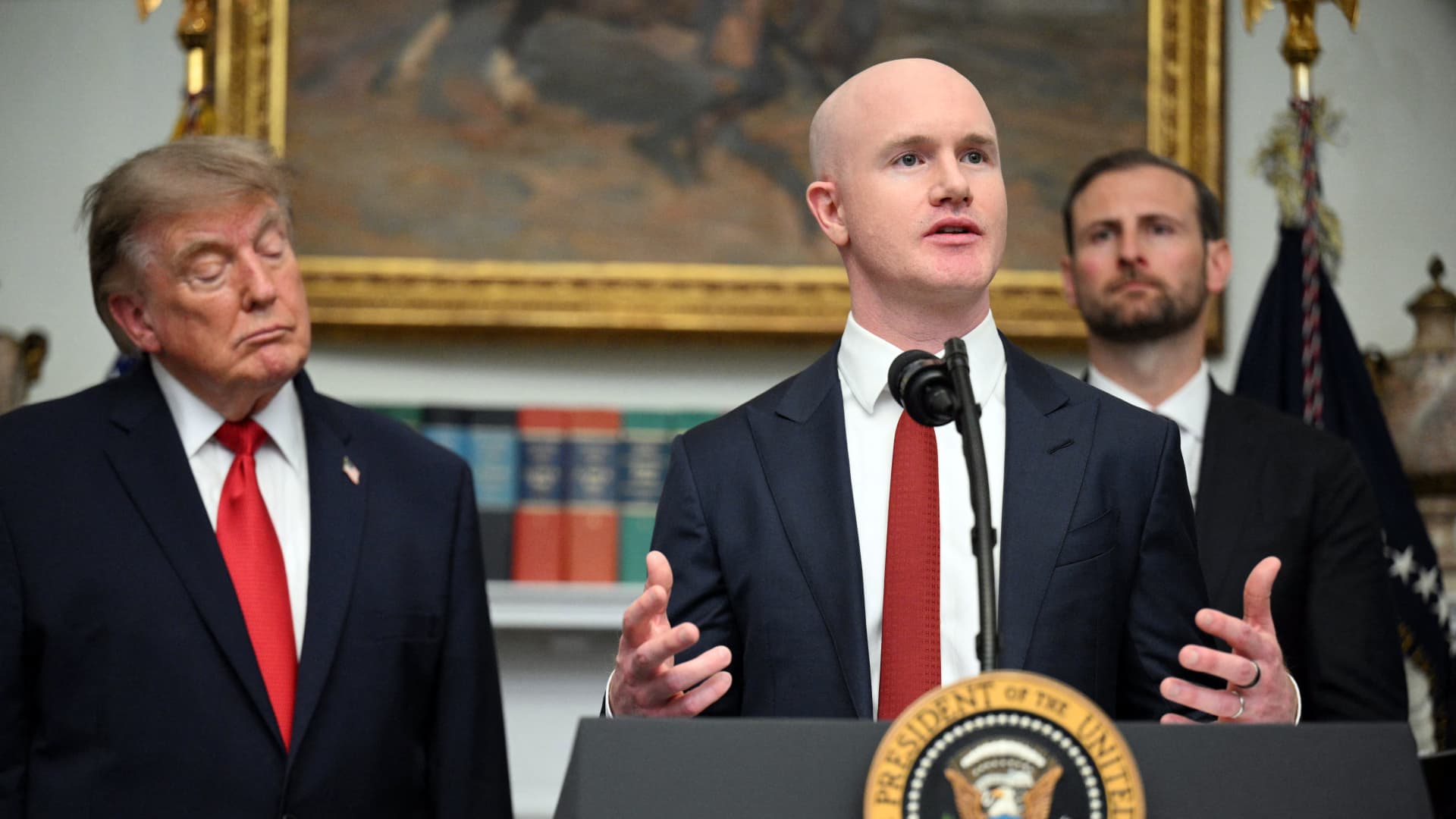
The Clarity Act, designed to create a federal framework for digital assets in the U.S., appears set to pass due to significant backing from cryptocurrency companies, law enforcement, and multiple banks, according to Brian Armstrong, CEO of Coinbase.
In an interview with CNBC’s “Squawk Box Asia” on Thursday, Armstrong noted that the Senate is prepared to endorse the legislation, mentioning that many individuals he consulted are in favor of it.
Although Armstrong expressed optimism regarding Senate approval, he emphasized that even if the act doesn’t pass, the industry will still gain much-needed regulatory guidance.
“Honestly, even if it doesn’t go through, there will still be positive outcomes since both the SEC and CFTC have indicated they are ready to issue new regulations, ensuring we receive clarity on or around the 15th,” he stated.
Coinbase has actively supported the proposed Clarity Act, which aims to clarify the regulatory oversight of digital assets between the SEC and CFTC, and is scheduled for a Senate vote on September 15.
Acquiring 60 votes has become a significant hurdle, with ethical considerations among the topics being discussed.
“Achieving 60 votes hinges on not only strong ethics legislation but also finalizing several outstanding issues,” remarked Democratic Senator Ruben Gallego of Arizona at the Wyoming Blockchain Symposium last month.
Armstrong mentioned that negotiations regarding the ethical provisions are ongoing, but a resolution seems “very close” ahead of the impending vote.
He characterized the potential approval of the Clarity Act as a major “regulatory checkbox” that could facilitate access to institutional capital and enable new products, like tokenized stocks, in the United States. “It would represent a significant milestone.”
Initially introduced in May 2025 to provide clearer regulations for the U.S. cryptocurrency sector, the Clarity Act passed the House last July.
Expanding Beyond Crypto Trading
Coinbase is actively broadening its operations beyond crypto trading, an area that Armstrong described as having experienced a decline over the past year.
Half of Coinbase’s earnings are derived from trading, Armstrong noted. The company has diversified its trading offerings to include stocks, commodities, and foreign exchange, while also generating non-trading income from stablecoins and institutional custody services.
In its second-quarter report in July, Coinbase disclosed a revenue drop to $1.2 billion from $1.5 billion the previous year, posting a net loss of $359.5 million compared to a profit of $1.43 billion in the same quarter last year. The company did not meet Wall Street’s expectations for revenue and earnings for the third consecutive quarter.
Coinbase has also made strides in international markets, establishing a presence in the United Arab Emirates and Singapore, which Armstrong identified as its base in Asia.
Creating these hubs has been crucial during times when the regulatory climate in the U.S. has been more restrictive, he explained, noting that Coinbase aims to expand in regions where governments are more positive towards cryptocurrency.
“We primarily try to grow whenever opportunities arise while being cautious in areas where we perceive resistance,” Armstrong remarked.
This year, Coinbase’s stock has declined by nearly 23%. Armstrong attributed part of the negative impact on the company’s finances to the downturn in crypto trading over the past year.