
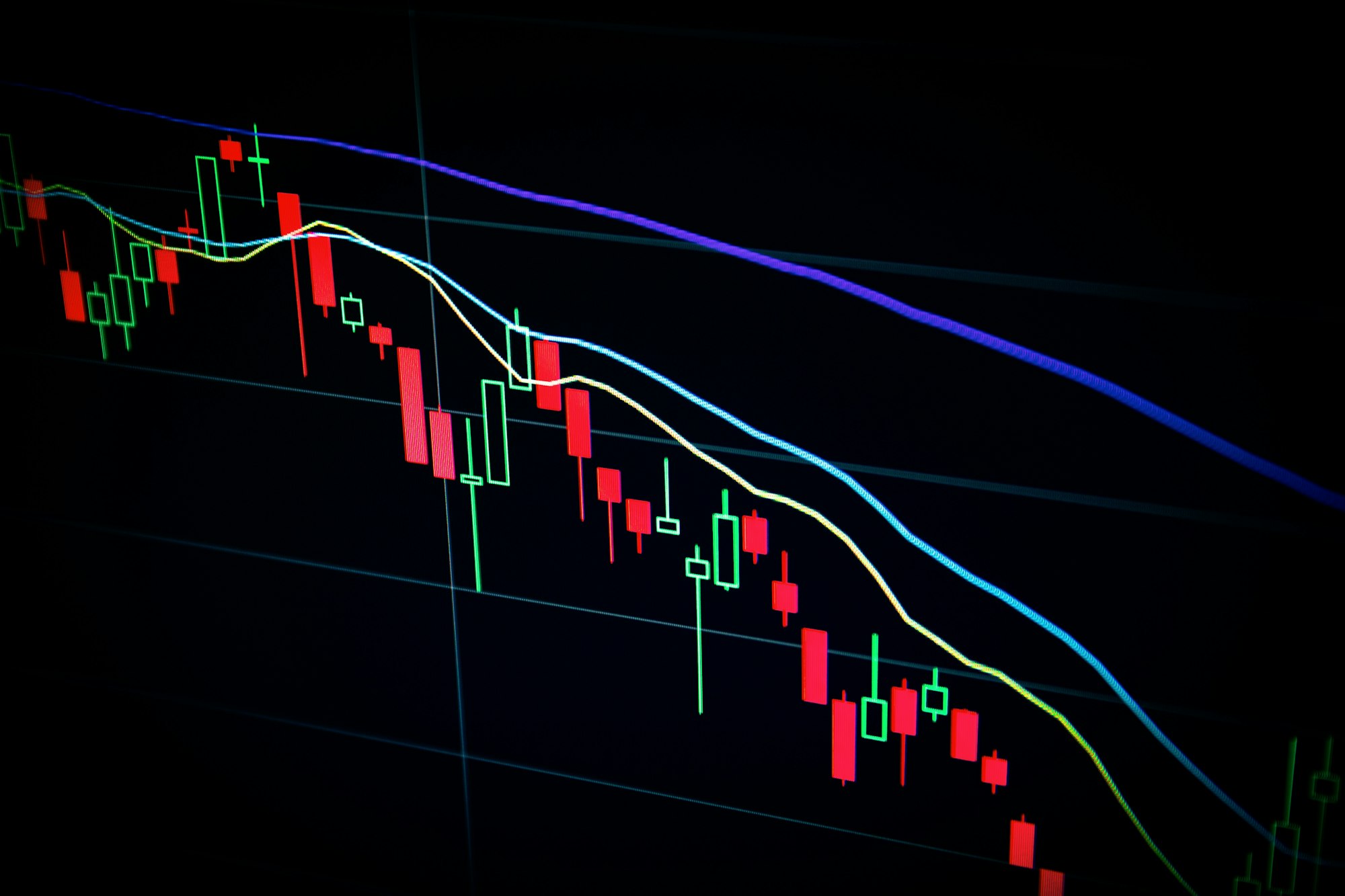
Many people associate digital currencies primarily with potential financial windfalls, often neglecting the crucial aspect of managing potential downside.
This can lead to investors succumbing to the “fear of missing out” (FOMO), impulsively entering the crypto market without a well-defined plan. Consequently, they may witness substantial declines in their investment portfolios.
A recent illustration of this occurred with the introduction of DeepSeek, a Chinese-developed generative AI tool. Despite a relatively modest training expenditure of $6 million—far less than the $100 million attributed to ChatGPT—its launch triggered significant market volatility. Nvidia, for instance, experienced a considerable drop in market capitalization, losing approximately $600 billion in value. The cryptocurrency market was also affected, with some digital assets experiencing price reductions of up to 20%.
Therefore, comprehending and applying effective investment approaches to minimize potential losses is paramount for achieving sustained success. This guide outlines five key methods to safeguard your capital while optimizing your potential earnings.
💡
This content is intended for educational and informational purposes only and does not constitute financial advice.
5 Cryptocurrency Investment Strategies for 2025
1. Only Invest Funds You Can Afford to Lose
A fundamental principle in crypto investing is: Avoid investing funds that would cause financial hardship if lost. While seemingly self-evident, many investors disregard this advice, presuming all investments will yield positive returns.
While the objective of investing is to generate profit, this guideline acts as a buffer against emotional distress should investments perform below expectations. The crypto markets are inherently volatile, and unexpected losses can occur rapidly.
Financial advisors often suggest that newcomers allocate no more than 5% of their disposable income to cryptocurrency investments. More experienced participants might consider a 10% allocation, while professional decentralized finance (DeFi) traders or those with a higher risk tolerance could potentially allocate up to 20% or more.
2. Focus on Asset Liquidity
After deciding on the investment amount, focus on liquidity. Selecting assets easily convertible to cash without substantial value erosion can safeguard your investment. This helps determine the speed and ease of selling Bitcoin when required.
Proven assets with robust liquidity often include Bitcoin, Ethereum, and stablecoins such as USDT and USDC.
To evaluate asset liquidity, consider:
- Trading volume: Higher volume signifies greater liquidity.
- The frequency of asset trading (buying and selling).
- Overall investor interest in the asset.
Thoroughly examining these elements ensures rapid position liquidation if market conditions deteriorate.
3. Employ Dollar-Cost Averaging (DCA)
Dollar-cost averaging (DCA) is a common investment tactic across diverse financial markets. Instead of deploying a significant sum at once, DCA entails making smaller, recurring investments over a specified period, mitigating the effects of short-term market shifts.
Given crypto’s inherent volatility, this strategy helps minimize risk by distributing purchases rather than executing a single transaction at one price. For example, instead of investing $500 in Bitcoin all at once, consider investing $50 weekly over ten weeks.
This method ensures purchases occur at varying price levels, averaging the overall cost and reducing the impact of market downturns.
4. Periodically Secure Profits
While HODLing (long-term asset holding) can be effective, it’s equally vital to periodically realize gains. Markets don’t always behave predictably, and neglecting to secure profits can result in missed opportunities.
A sound strategy involves establishing profit targets and incrementally selling portions of your holdings as prices increase. For instance, one could opt to sell 20% of their holdings after a 50% price increase, capturing some gains while maintaining market exposure.
This approach helps lock in profits and prevents the complete loss of earnings should the market unexpectedly turn bearish.
5. Develop a Predefined Exit Strategy
Investing without a well-defined exit strategy invites potential problems. Many investors fall into the trap of greed, clinging to assets even when selling is prudent.
To mitigate potential losses, your exit plan should encompass:
- Setting selling price targets (for both profit-taking and loss mitigation).
- Establishing an investment timeframe. Are you investing for months or years?
- Utilizing stop-loss orders to automatically sell an asset if its price declines below a pre-determined level.
A clear exit strategy removes emotional decision-making and ensures rational investment choices aligned with market conditions.
Conclusion
Investing in digital currencies inherently involves risk. By actively managing investments and employing sound risk mitigation techniques, one can protect their portfolio while capitalizing on potential growth.