

A new industry analysis from the Access Blockchain Association of Malaysia suggests that widespread power theft by illicit mining operations, inconsistent regulatory approaches, and a lack of clear legal guidelines could hinder Malaysia’s ability to fully capitalize on the potential benefits of cryptocurrency mining.
The report emphasizes that despite Malaysia’s advantageous geographic location, expanding technology sector, and expertise in Islamic finance, the nation must address various internal obstacles to effectively leverage the revenue opportunities presented by crypto mining.
The Shadow Economy of Illegal Miners
Tenaga Nasional Berhad (TNB), Malaysia’s national electricity provider, reported losses of 441.6 million ringgit (approximately $104.2 million USD) due to electricity theft between 2020 and September 2024. The company primarily attributes these losses to unauthorized Bitcoin (BTC) mining activities. Cumulative losses from 2018 through 2021 reached a staggering 2.3 billion ringgit.
The study points to Malaysia’s “untapped demand” and the necessity for a well-regulated, incentivized framework to redirect capital currently lost to unlicensed crypto mining:
“By formalizing this activity, energy currently being stolen would become a legitimate source of revenue for TNB, and the government would be able to collect taxable income.”
(Note: Values are illustrative and depend heavily on policy implementation, operator confidence and market conditions)
The report further indicates that Malaysia has the potential to establish a consistent, multi-million dollar revenue stream from crypto mining if it can successfully transition a portion of the illegal mining operations to properly metered and regulated connections.
Legitimate Miners Operating Discreetly
Contrary to the government’s previous assumption that legal crypto miners are rare, the report reveals that several medium- to large-scale, licensed operators already exist within Malaysia. However, these entities tend to avoid public attention due to concerns regarding potential cyber threats, physical theft of equipment, and abrupt changes in regulations.
Related: IMF expresses worries about Pakistan’s Bitcoin mining energy plans: report
Companies like Hatten Land have initiated exploration into above-ground mining infrastructure, including establishing partnerships in Melaka with firms such as Hydra X and Frontier Digital Asset Management. “As the report highlights, companies such as Hatten Land have announced partnerships encompassing thousands of mining rigs.”
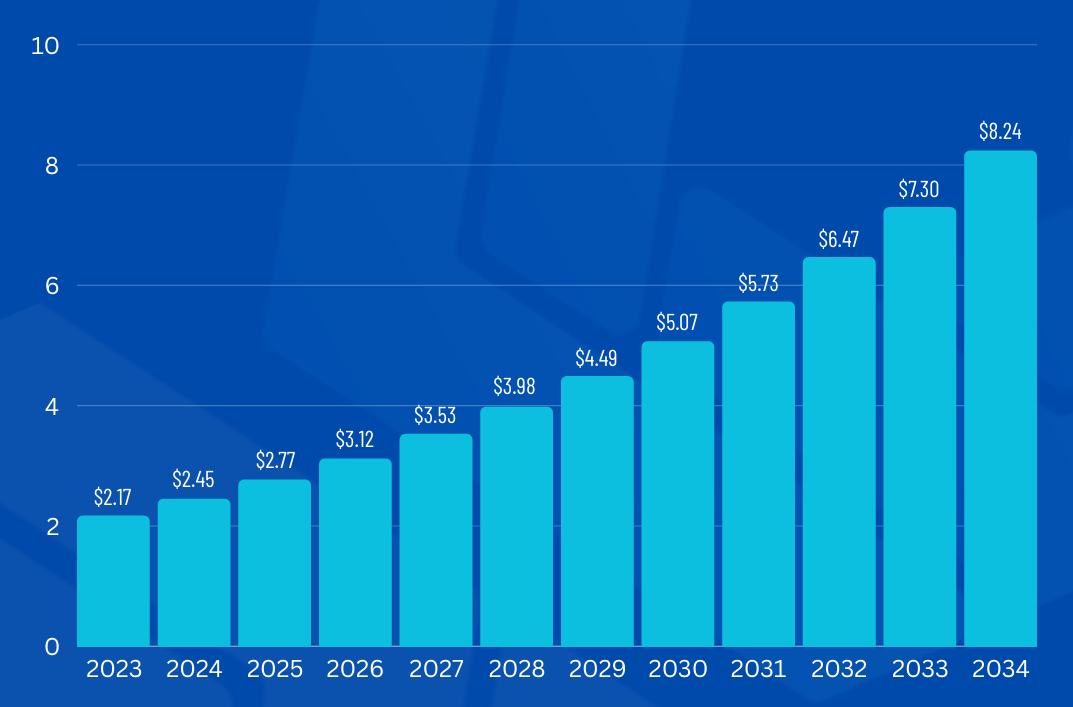
Malaysia is in a favorable position to tap into the nearly $3 billion global crypto mining market, thanks to its robust internet infrastructure and abundant hydropower resources. However, the Securities Commission of Malaysia, which currently regulates crypto exchanges, lacks a specific regulatory framework for mining operations.
According to the Access Blockchain Association report, Malaysia’s hashrate contribution to Bitcoin mining is approximately 2.5% to 3%, placing it around 7th or 8th globally.
The report provides key recommendations for improving the sector. These include the creation of a mining-specific licensing program, the introduction of environmentally conscious “green tariff” programs, the closure of legal loopholes that enable electricity theft, and the development of Shariah-compliant mining models.
Magazine: Baby Boomers, controlling $79 Trillion, increasingly accept Bitcoin