
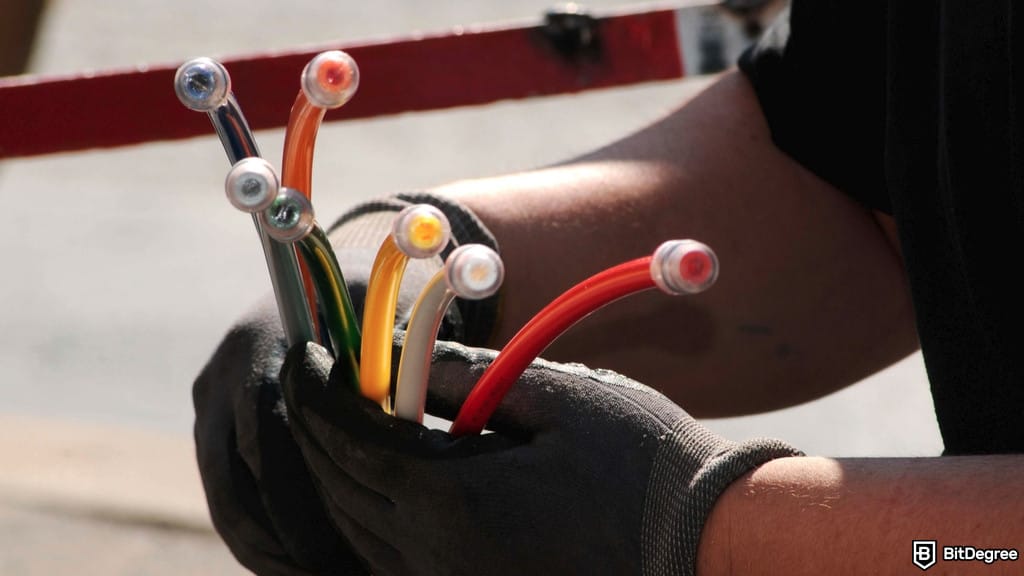
A widespread internet outage in Afghanistan has highlighted a key vulnerability in blockchain technology: its dependence on conventional internet infrastructure.
Afghanistan experienced a near two-day disruption to its internet services. Connectivity was restored on October 1st, as
reported by Reuters.
While initial speculation suggested a Taliban-ordered shutdown, authorities later attributed the disruption to damage to fiber optic cables. This marked the first complete internet blackout under the current Afghan administration.
Did you know?
Subscribe – We publish new crypto explainer videos every week!
What is a Bitcoin & How Does it work? (Animated Explainer)

Earlier in September, short-term internet blackouts were implemented to suppress online activities deemed inappropriate by governing bodies. ABC News reports that approximately 13 million individuals were impacted by these disruptions.
While blockchains are designed to provide censorship-resistant platforms for value and information exchange, they currently rely on existing internet frameworks for operation.
In response to the Afghanistani internet shutdown, Roam Network is working on a decentralized mobile network. This solution uses data gathered from users’ phones to create a real-time map that identifies areas with the strongest available internet signals, reducing dependency on single providers.
This approach allows devices to connect using the optimal connection method, whether it’s a major ISP, a local network, or a direct peer-to-peer link.
Roam Network intends to add an eSIM capability in the future. During network outages, this would enable devices to seamlessly switch between available connection types.
In related news, Ethereum co-founder, Vitalik Buterin