
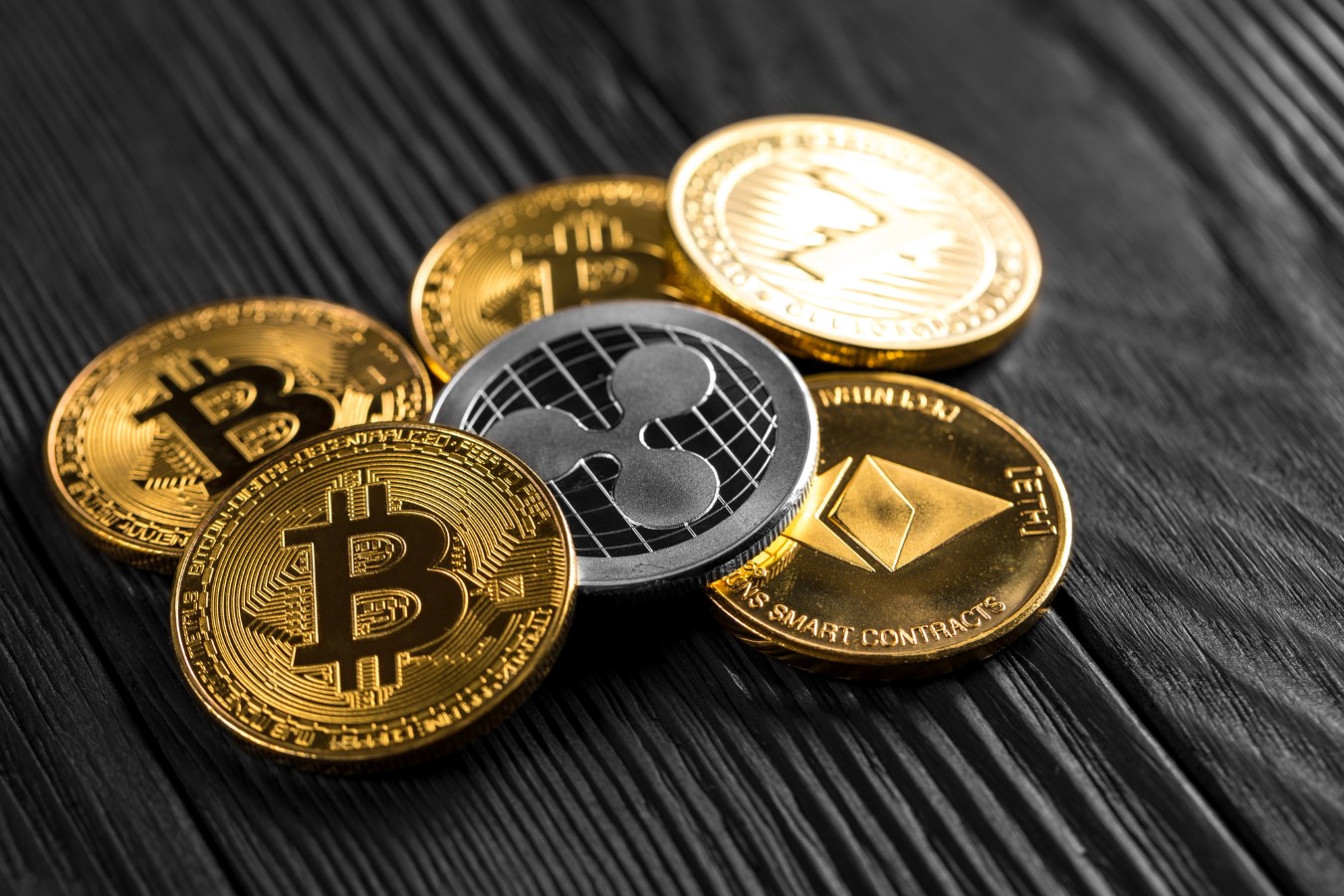
The world of digital currency has firmly established itself as a popular investment choice, drawing both large institutions and individual investors. While the crypto market is known for its price swings, it also presents significant chances for those who grasp how it works. Looking ahead to 2025, here’s a look at some potential top investment opportunities in the cryptocurrency world that could lead to substantial gains.
1. Bitcoin (BTC) – The Premier Digital Asset
Bitcoin continues to be a cornerstone cryptocurrency investment due to its position as the original and the largest digital currency by market value. Often called “digital gold,” Bitcoin has shown its ability to hold its value during times of inflation and economic uncertainty. Large institutions are increasingly adopting it, with more companies adding BTC to their financial holdings. The anticipated Bitcoin halving event in 2024, which will reduce the rate at which new Bitcoins are created, is expected to decrease supply and potentially increase prices, making BTC an appealing long-term investment.
2. Ethereum (ETH) – The Foundation of Decentralized Finance (DeFi)
Ethereum, the second-largest cryptocurrency, is the leading platform for smart contracts and decentralized applications (DApps). With its transition to Ethereum 2.0 and a shift to a proof-of-stake (PoS) consensus mechanism, ETH is now more energy-efficient and able to handle more transactions. The ongoing expansion of the DeFi and NFT spaces further solidifies Ethereum’s importance. Investors seeking long-term growth should see Ethereum as a vital part of their investment strategy.
3. Layer-2 Scaling Solutions
As the need for applications built on Ethereum increases, Layer-2 solutions like Polygon (MATIC), Arbitrum (ARB), and Optimism (OP) are becoming more important. These networks enhance Ethereum’s ability to process transactions and lower transaction costs, while maintaining a high level of security. Investing in Layer-2 tokens can allow you to benefit from the increased use of blockchain technology without incurring the high fees associated with the primary Ethereum network.
4. Solana (SOL) – A Fast Blockchain for DeFi and NFTs
Solana has become a strong rival to Ethereum, providing quicker transaction speeds and lower costs. It has become a popular place for DeFi projects, NFT platforms, and Web3 applications. Despite previous issues with network overload, Solana continues to attract developers and investors because of its ability to handle a large number of transactions and its thriving ecosystem. With growing interest from major investors, SOL remains a promising investment choice.
5. XRP (XRP) – The Future of Global Payments
XRP, created by Ripple Labs, is a widely used cryptocurrency for international payments and financial transactions. Its affordable transaction fees and fast processing speeds make it attractive to banks and financial institutions. Ripple’s ongoing legal challenge with the SEC has affected XRP’s price, but recent developments suggest that regulatory clarity may be on the horizon. With the potential for greater use in global money transfers and institutional finance, XRP is still a solid investment opportunity.
6. Gaming and Metaverse Tokens
The gaming and metaverse sectors have experienced notable growth within the crypto industry. Projects like Axie Infinity (AXS), The Sandbox (SAND), and Decentraland (MANA) offer engaging digital experiences while incorporating blockchain-based economies. As virtual worlds become more popular, these tokens have the potential for significant price increases. Investors should consider including metaverse tokens in a well-rounded investment portfolio.
7. Artificial Intelligence (AI) and Blockchain Integration
Blockchain projects powered by AI are gaining momentum, with coins like Render Network (RNDR), SingularityNET (AGIX), and Fetch.ai (FET) leading the way. These platforms utilize AI for decentralized computing, predictive analysis, and automation. Given the growing importance of AI across various industries, blockchain projects integrating AI technologies are well-positioned for long-term success.
8. Decentralized Finance (DeFi) Protocols
DeFi remains one of the most profitable areas in the crypto market. Platforms like Aave (AAVE), Uniswap (UNI), and Curve Finance (CRV) provide opportunities for lending, borrowing, and decentralized trading. As traditional financial institutions increasingly recognize DeFi’s potential, investing in leading DeFi protocols can produce substantial returns as adoption increases.
9. Stablecoins and Yield Farming
For those seeking less risky investments, stablecoins like USDC, USDT, and DAI offer stability while still providing ways to earn through staking and yield farming. Platforms like Anchor Protocol and Yearn Finance (YFI) allow investors to generate passive income by providing liquidity or staking their assets. This strategy is suitable for investors who are risk-averse and want to benefit from crypto without significant volatility.
10. Privacy Coins
With increasing concerns about data protection, privacy-focused cryptocurrencies such as Monero (XMR) and Zcash (ZEC) are gaining attention. These coins offer enhanced security and anonymity, making them appealing to users who value privacy. Regulatory challenges remain, but the demand for private transactions continues to grow.
11. Interoperability Projects
As the blockchain industry matures, the ability of different networks to work together is becoming increasingly important. Projects like Polkadot (DOT) and Cosmos (ATOM) facilitate communication between different blockchains, improving scalability and cross-chain functionality. These projects are likely to play a crucial role in the development of blockchain technology, making them attractive investment opportunities.
12. Real-World Asset (RWA) Tokenization
The process of representing real-world assets such as real estate, stocks, and commodities as digital tokens on a blockchain is a developing trend in the crypto space. Platforms like Chainlink (LINK), MakerDAO (MKR), and Centrifuge (CFG) support asset-backed tokenization, leading to increased liquidity and the possibility of shared ownership. This area is expected to expand as more institutions adopt blockchain-based financial tools.
13. Regulated and Institutional Crypto Funds
For investors who prefer regulated ways to invest in crypto, exchange-traded funds (ETFs) and institutional-grade funds offer an alternative. Bitcoin and Ethereum ETFs, such as those approved in Canada and Europe, allow traditional investors to participate in crypto markets without directly holding the assets. As regulations become clearer, more crypto-based financial products are expected to emerge.
Investment Strategies for Crypto Success
To maximize your returns while managing risks, consider these investment strategies:
- Diversification – Spread your investments across different sectors, such as DeFi, gaming, Layer-1 and Layer-2 blockchains, and AI projects.
- Dollar-Cost Averaging (DCA) – Invest small sums regularly over time to lessen the effects of price fluctuations.
- Risk Management – Invest amounts based on your risk tolerance and avoid excessive borrowing.
- Staking and Passive Income – Earn rewards by staking coins in PoS networks or participating in DeFi yield farming activities.
- Stay Informed – Keep up with market trends, regulatory news, and technological developments to make well-informed decisions.
While cryptocurrency offers potentially high returns, it’s important to invest carefully. The market remains unstable, and regulatory changes can affect asset prices. Always do thorough research, understand your risk tolerance, and only invest what you can afford to lose. Crypto investments should be part of a broader, balanced portfolio that includes traditional assets. Investing responsibly helps ensure long-term success while reducing possible losses.
Disclaimer: Cryptocurrency investments are highly speculative and carry substantial risks. We are not responsible for any financial losses incurred. Consult with a qualified financial advisor before making any investment decisions.