
Token2049
- Singapore played host to Token2049, drawing in 25,000 crypto experts and enthusiasts.
- The digital asset sector is buoyed by the positive shift in attitude toward cryptocurrency from the world’s leading economy.
- The industry continues to grapple with certain unique and unconventional applications of crypto tech.
Token2049 provided a snapshot of the dynamic state of the cryptocurrency world.
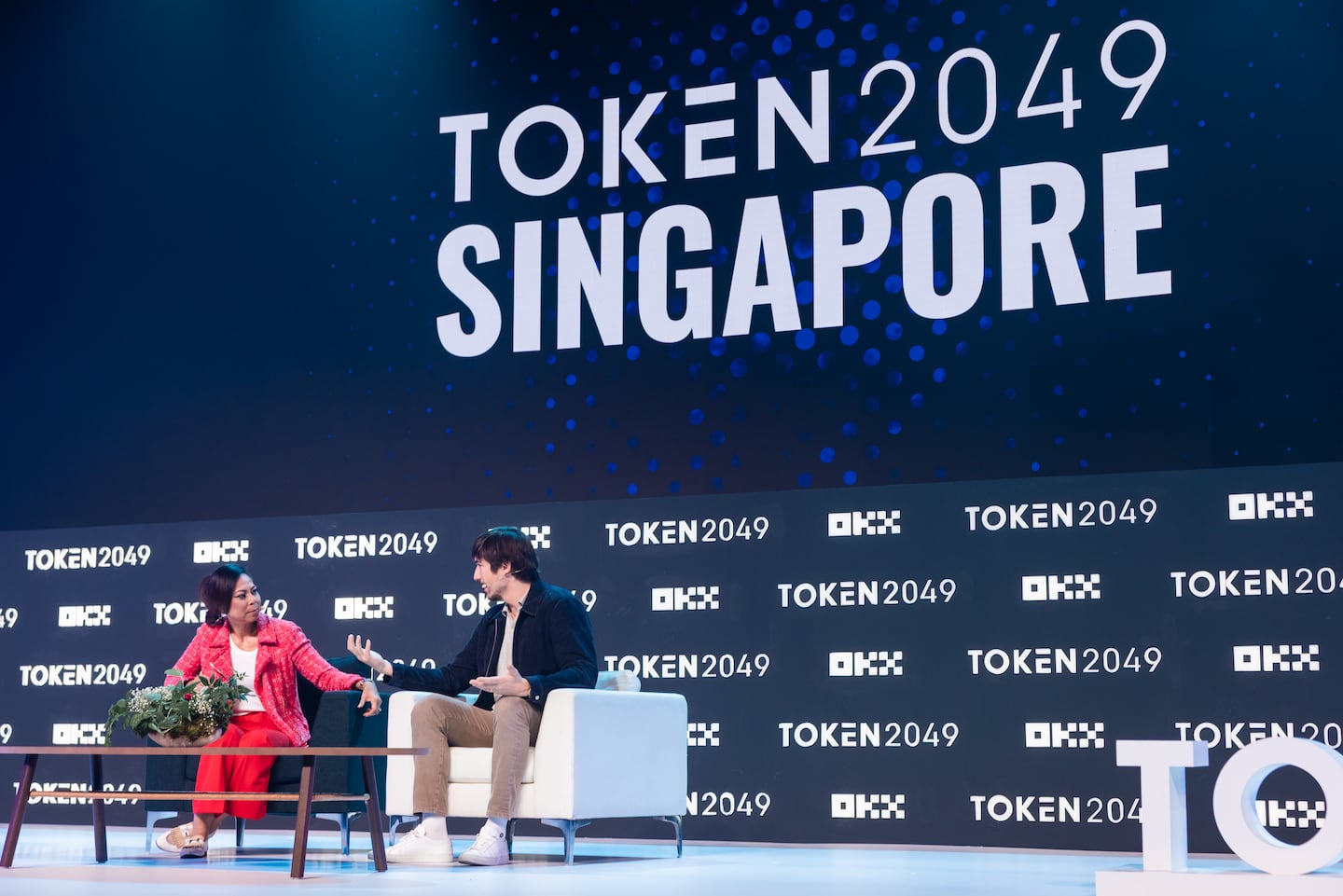
October saw a surge of activity in Singapore, with roughly 25,000 individuals participating in a week-long series of over 300 related gatherings centered around digital finance. This event resembled a global expo for the crypto space.
The diverse assembly at Token2049 included figures from major Wall Street firms, prominent financial technology companies, sanctioned Russian entities, along with personalities from the television series Squid Game, social media influencers, former members of the White House staff who now hold crypto executive positions, and members affiliated with former US President Donald Trump’s family.
The industry has ample reasons to celebrate, particularly the increasing acceptance by the world’s largest economy.
‘It’s easy to be the rebel, but now that we won, we now have to lead as an industry.”
— Charles Hoskinson, the founder of the Cardano.
Having previously faced criticism for its perceived lax approach to financial regulations, the cryptocurrency field is undergoing increasing regulatory scrutiny and attracting the attention of powerful political figures and leading Wall Street players.
Charles Hoskinson, founder of the Cardano network and development company Input Output Global, stated, “It’s easy to be the rebel, but now that we’ve succeeded, we must assume leadership as an industry.”
He continued, “Now that we’re present, what message do we convey?”
According to Chengyi Ong, APAC public policy head at Chainalysis, the focus on US developments “is magnified due to its standing as the world’s foremost financial marketplace,” despite crypto’s increasing acceptance in other countries.
She explained to DL News, “We’ve witnessed a dramatic shift from a restrictive regulatory stance to a supportive one within a short time frame, which has unlocked significant pent-up institutional interest in engaging with crypto.”
Billions in open interest
American institutions have displayed an aggressive response so far.
On October 1, Tim McCourt, global head of equities, FX, and alternative products at CME, commented, “Crypto is surging in popularity.”
He added, “We are observing unprecedented levels of open interest and trading activity.”
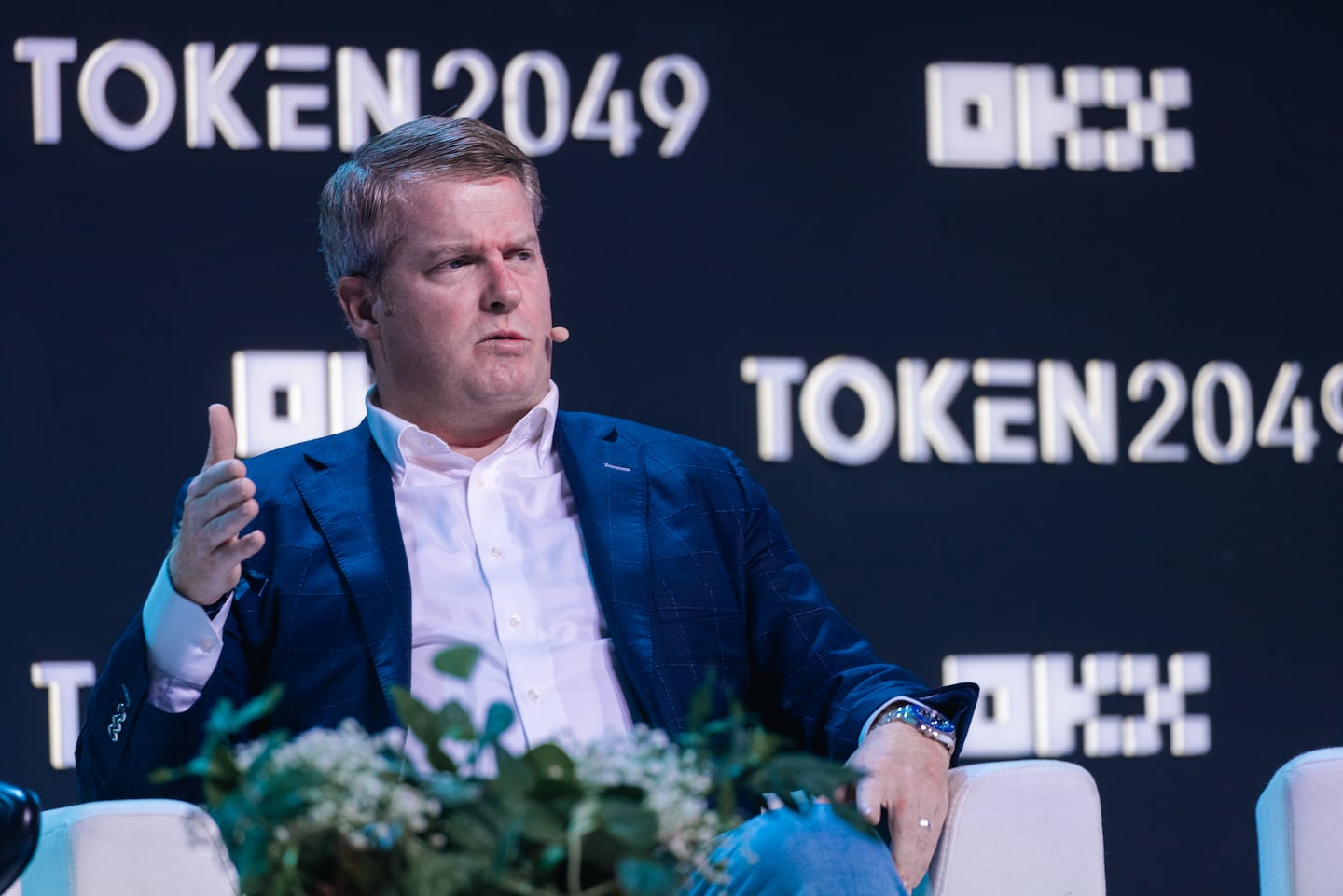
McCourt noted that the average daily open interest – the total value of unsettled trades – for the third quarter was $35 billion.
Sebastien Badault, enterprise lead at Ledger, a crypto wallet firm headquartered in France, reports increasing travel to New York. Ledger Enterprise delivers a white-label solution enabling hedge funds and family offices to independently manage their digital assets.
Badault shared with DL News, “While we utilize Zoom extensively, particularly in the US and especially in New York, where the financial sector thrives, physical presence remains crucial.”
This trend intensifies competition among long-standing crypto companies.
Yoann Torpin, co-founder of crypto market maker Wintermute, commented to DL News, “Trade margins are shrinking, but the overall market expansion outweighs the impact of these reduced margins.”
World Liberty Financial
The Trump family has equally benefitted from the US markets’ opening, mirroring the wider crypto industry.
Presently, the Trump family, largely guided by President Trump’s sons, Eric and Donald Jr., oversees three separate crypto initiatives, including a Bitcoin mining operation, a Trump-themed meme coin, and a decentralised finance platform called World Liberty Financial.
World Liberty Financial also introduced a stablecoin tied to the US dollar, known as USD1, valued at more than $2.6 billion based on CoinGecko data.
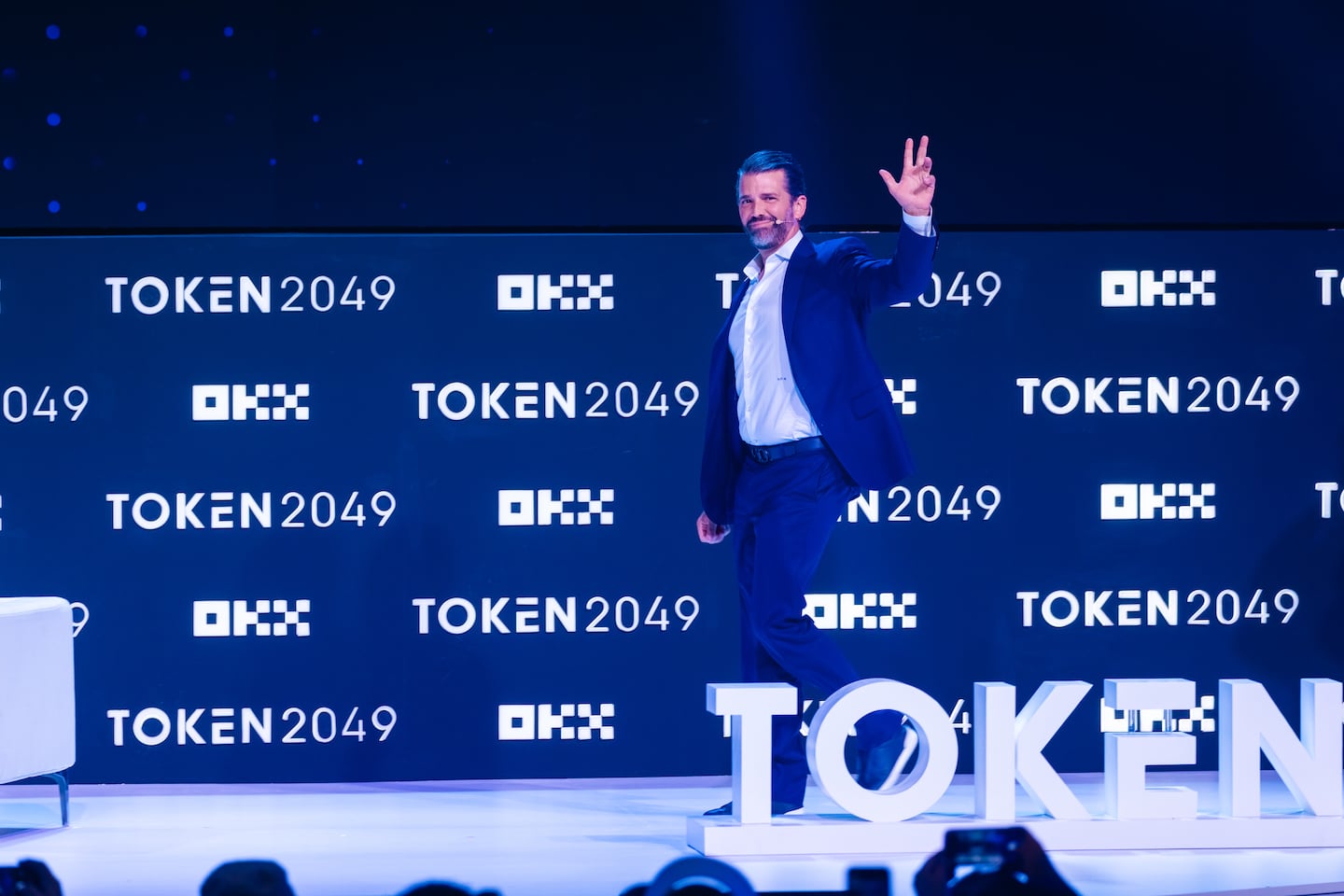
Political figures have pointed to the entanglement of the Trump family’s crypto businesses, coinciding with rising pro-crypto regulatory actions, as a conspicuous conflict.
US Representative Gerry Connolly told DL News in May that “Donald Trump’s administration’s initial period has been marred by conflicts of interest, which is essentially public corruption.”
A Trump deputy press secretary informed DL News that “President Trump’s assets are held in a trust managed by his children, eliminating any potential conflict of interest.”
David Wachsman, CEO of Wachsman (a communications agency that also represents World Liberty Financial), addressed these issues during a session at Token2049.
Wachsman directed a question to Donald Jr. and Zach Witkoff, the CEO of World Liberty Financial and son of Steve Witkoff (US special envoy to the Middle East): “Is World Liberty a political organisation?”
Both Steve Witkoff and President Trump are co-founders emeritus of World Liberty Financial.
Zach Witkoff responded, “We are not a political organisation, but we believe that President Trump is the greatest president in history and single-handedly saved the crypto industry from those intending to damage it.”
A7A5
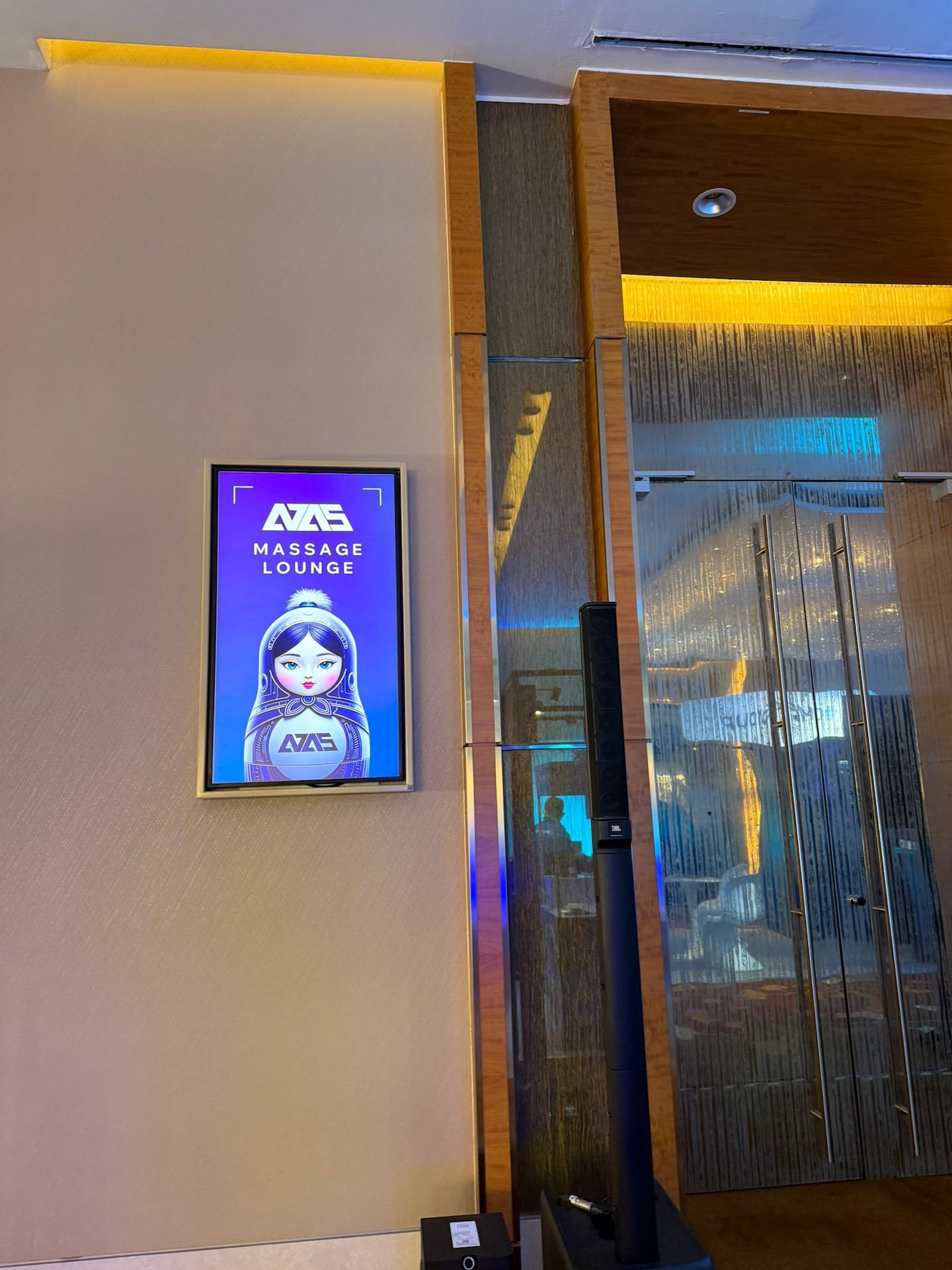
More concerning was the presence of A7A5, a ruble-denominated stablecoin suspected by US and UK officials of helping Russia bypass international sanctions imposed after the 2022 invasion of Ukraine, as an exhibitor.
Authorities in the UK and the US sanctioned several companies allegedly connected to A7A5 in August.
Analytics firm Elliptic reports that A7A5 processed roughly $1 billion in daily transactions as of July.
Neither Hong Kong, where the organizing company behind Token2049 is based, nor Singapore have taken measures to sanction the entity.
Both Token2049 and A7A5 have not commented on the matter.
An attendee recounted to DL News how individuals could receive massages from A7A5 in exchange for sharing their crypto address.
Due to the potential implications of interacting with an entity under US sanctions, DL News has kept the attendee’s identity anonymous.
Stablecoins and tokenisation
The leading fintech companies globally are actively integrating crypto features into their platforms.
According to John Wang, the newly appointed crypto lead at Kalshi, cryptocurrency is set to play a “crucial” function in the prediction market’s evolution.
Vlad Tenev, the founder of the trading app Robinhood, described tokenisation as a “major disruptive wave” for the entire financial landscape.
Johann Kerbrat, the senior vice president and general manager of Robinhood Crypto, stated that digital assets play an increasingly significant role at the company.
Robinhood is also introducing a crypto-as-a-service product for entities seeking to offer digital assets to their clientele, mainly in Europe via Bitstamp, the crypto exchange it recently acquired with deep ties to the continent.
He told DL News, “Many institutions want to provide crypto to their customers, but the complexity of running a crypto platform is so significant that this white label platform will provide a significantly faster implementation.”
The passage of the Genius Act in July, a substantial stablecoin regulation recognising digital dollars on blockchain, has stimulated major crypto entities such as Tether to hasten their US growth plans.
Having long been excluded from the US, USDT, the $174 billion stablecoin, is quickly seizing the chance presented by the improved regulatory environment.
With the announcement of USAT, its forthcoming stablecoin for the US market, the company hopes to integrate major US financial firms with Tether’s significant presence in emerging economies.
Bo Hines, CEO of Tether US and former White House executive advisor on crypto, mentioned on stage that they now have a tremendous opportunity to expose traditional financial players to growing markets and establish seamless pathways between USAT and USDT.”
Tether’s dramatic re-entry into American soil is symbolic, especially given its prior exclusion from the US and the United Nations’ description of it as “a preferred choice” for fraudsters in East and Southeast Asia.
Hoskinson believes crypto may have already achieved its goal.
What happens next?
Liam Kelly is DL News’ Berlin-based DeFi correspondent. Have a tip? Get in touch at liam@dlnews.com.