
Virginia farmers are at a crossroads, facing challenges in adopting new technologies. Currently, for every dollar spent by consumers on food, the farmer only sees about nine cents. This isn’t due to a lack of dedication or expertise; rather, it stems from limited influence over critical resources like inputs, machinery, and, crucially, their own data. Often, this information is concentrated within separate businesses and large corporations, potentially leading to unfair practices, reduced market competitiveness, and a less robust food supply chain.
As the founder of a blockchain company located in Virginia, I’ve witnessed firsthand how novel approaches can shift this balance. Blockchain technology presents an opportunity to empower farmers by ensuring they maintain ownership and control over the data generated by their land and equipment, allowing them to directly benefit. To fully realize this potential, lawmakers need to establish well-defined regulations that provide clarity for innovators while simultaneously safeguarding the interests of farmers.
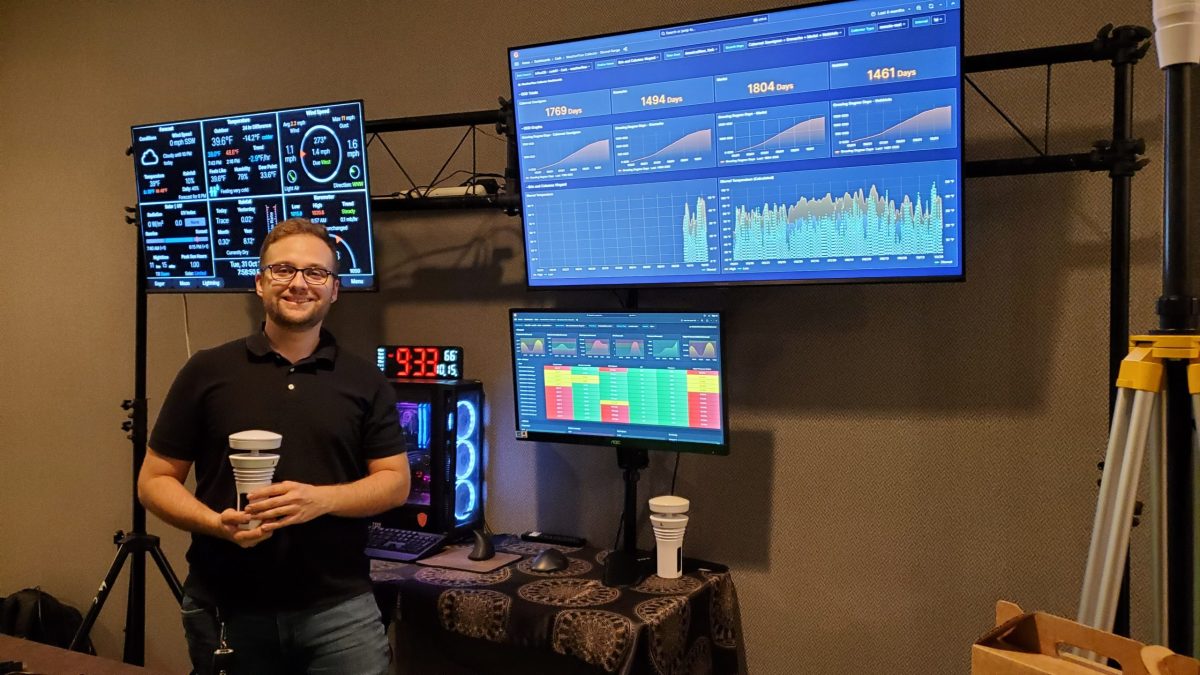
Our company’s initiatives illustrate the possibilities. We have implemented weather monitoring systems on farms, utilizing a blockchain-protected network. This network allows growers to securely share vital environmental data with each other. In effect, farmers can access reliable, up-to-the-minute information to safeguard their crops, negotiate more favorable insurance agreements, and advocate for a fairer share of the profits generated. Our collaborations extend from Virginia wineries to Canadian and Portuguese vineyards, all of whom are gaining increased negotiating leverage and deeper insights because their data is secure, accessible, and under their control.
Data ownership also carries significant implications for consumers. Agricultural transparency is about more than just economics; it’s also about consumer health. We have seen a decline in nutrient levels in produce since the 1980s and are aware of the risks posed by contamination from disease or chemicals. Consider the benefits if every package of spinach or wheat came with a digital record, showing the soil it was grown in, the weather conditions experienced during harvest, and its journey through the supply chain. Blockchain makes this a viable reality. With the proper regulatory framework in place, consumers could instantly access this data, fostering trust in the food system and rewarding farmers who invest in sustainable practices.
The major obstacle is that technological advancement is outpacing the development of regulations. Entrepreneurs both in Virginia and across the nation are creating technologies with the potential to transform agriculture. The absence of clear federal guidelines, however, is creating a sense of uncertainty. Farmers, companies, and consumers alike need clarity and predictability.
That’s why initiatives like the bipartisan CLARITY Act, which recently passed in the U.S. House of Representatives, are of vital importance. The bill provides a logical framework for distinguishing between digital commodities and securities, ensuring that blockchain-based innovations have a defined legal pathway. Leaders from both sides of the political spectrum, including Virginia Senator Mark Warner, have correctly noted that if U.S. legislators fail to establish these rules, other nations will.
By encouraging our federal representatives in both the House and Senate to move forward with market structure legislation such as this, Virginia can establish itself at the forefront of both blockchain technology and agriculture.
This is about more than just technology. It’s about bolstering food security, empowering farmers, and enhancing national resilience. Farmers are the foundation of our economy and responsible stewards of our land. By implementing the right policies, we can provide them with the tools to flourish and the autonomy to control their own destinies.
Alexander Mann is the founder of Vineyard Vantage, a blockchain-powered platform designed to facilitate precision agriculture for farms. He resides in Harrisonburg, Virginia.