
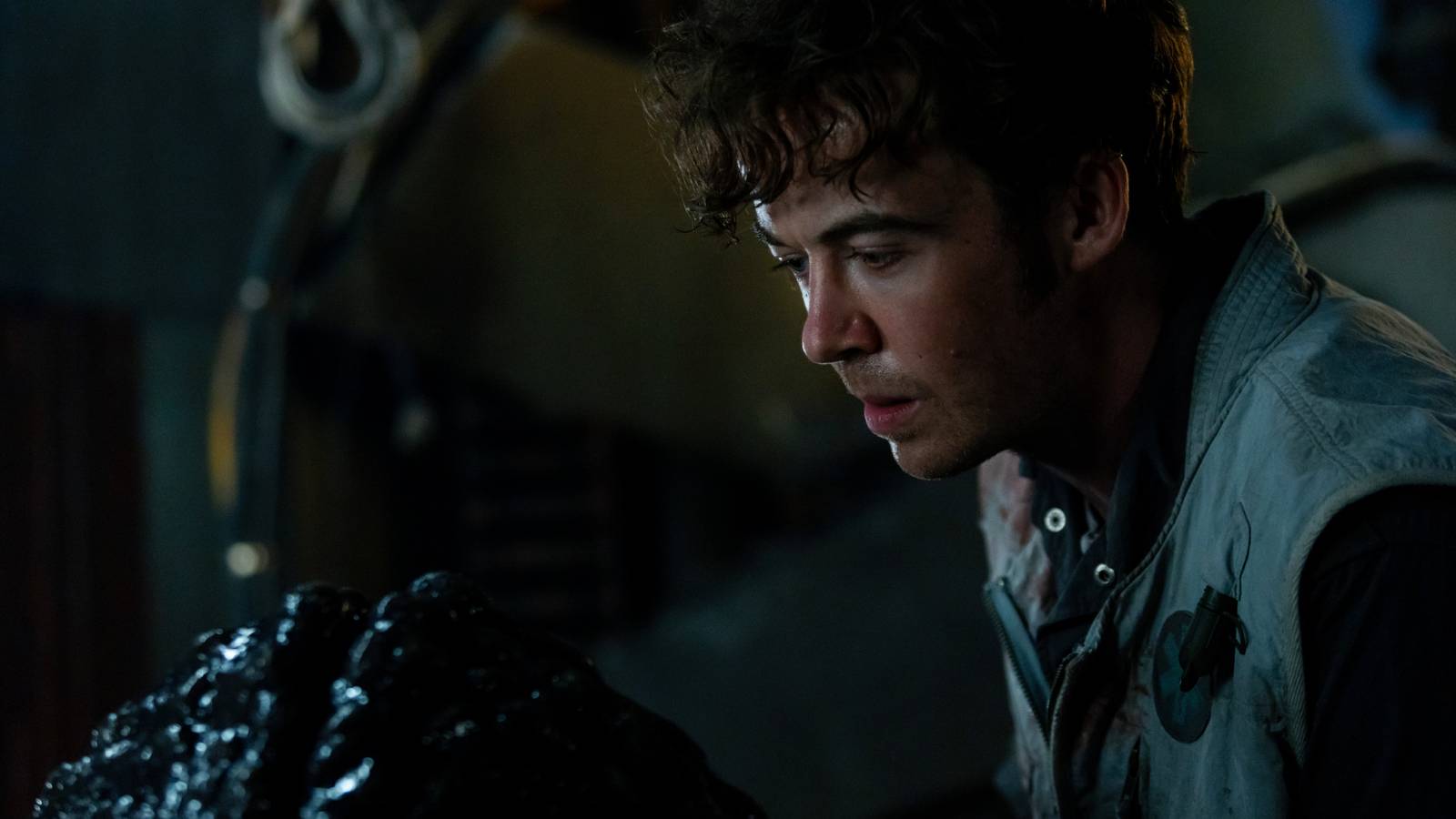
Ever wondered about the texture of a Xenomorph egg? The special effects team behind Alien: Earth reveals they aimed for a warm and gooey feel. Second Skin Studio collaborated closely with Wētā Workshop and the show’s creative minds to realize various extraterrestrial beings. To achieve the desired effect for the iconic Facehugger containers, they coated the shells with vegetable glycerin. Sarawut “Tor” Sakthamcharoen, founder of Second Skin, shared with Polygon that this technique provided the eggs with a “moist, organic appearance.”
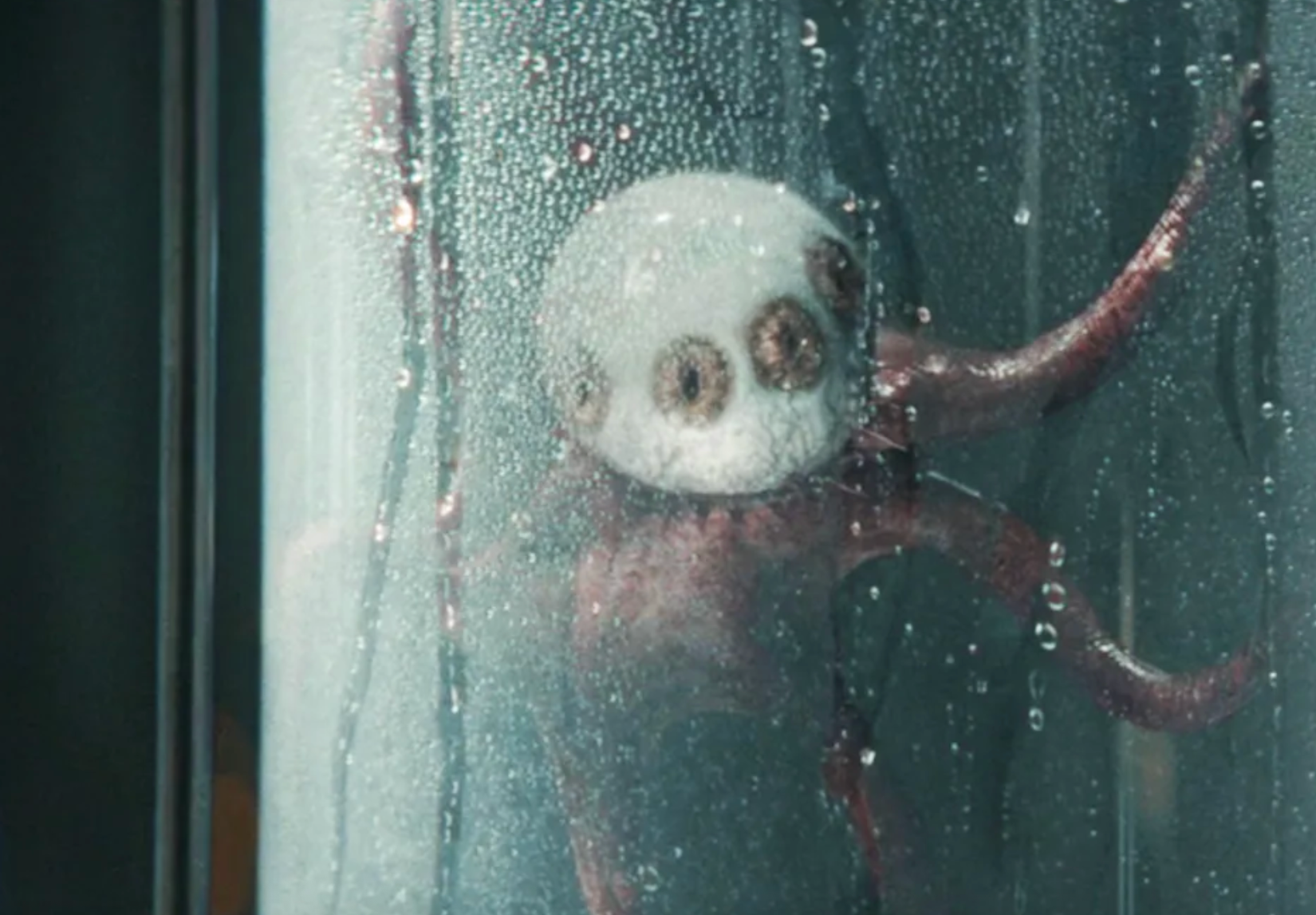
Sakthamcharoen and Sarinnaree “Honey” Khamaiumcharean, his colleague, contributed to numerous frightening entities in Alien: Earth. These included monstrous ticks, flies capable of melting faces, and the much-loved t. ocellus specimen, affectionately dubbed “the eyeball alien,” or even “Eye Midge” by those working on the series. Polygon corresponded with Sakthamcharoen and Khamaiumcharean through email to gain deeper insights into their work on Alien: Earth, their interpretation of a significant adaptation from the original film, and their aspirations for a potential second season.
Polygon: It is known that your team worked on the ticks, the tentacled eyeballs, the flies’ nest, the Xenomorph eggs, and the Xenomorph embryo. Were there any additional creatures for Alien: Earth that you contributed to? Could you describe the design process?
Sarawut “Tor” Sakthamcharoen: Indeed, the creatures you’ve listed, such as the tick, the tentacled eyeballs, the flies’ nest, the Xenomorph eggs, and the embryo, were created in various forms and sizes beyond what was depicted on screen to cater for different shooting requirements. Furthermore, we developed supporting creatures and props. These included a sheep stunt for the dramatic collapse and death sequence [in episode 8], and a Xenomorph foam model inside a bag, for the scene where Morrow uses [a substance] to capture the Xeno [in episode 2]. We also designed silicone dummies, a cat dummy featuring the Eye Midge, elaborate hair detailing, and prosthetics specifically for the Eye Midge sequence.
Sarinnaree “Honey” Khamaiumcharean: The Second Skin team augmented the VFX department with the creation of a green chestburster. This prop was utilized on set to encourage more genuine reactions from actors and acted as a useful visual guide for the VFX team.
The ticks are especially spine-chilling in Episode 5. However, we are only provided with a small portion of their life cycle. Do you have suggestions on how their lifecycle could be extended or further explored if there were a second season of the show?
Tor: I do not know with any certainty – that is dependent on the director’s creative direction. But one certainty is that you have yet to observe their nest-building behavior.
Tell me more about the design of the Xenomorph embryo. What factors determined its appearance?
Tor: Wētā [Workshop] presented the initial design in the form of a 2D sketch. Upon seeing it for the first time, it immediately appealed to us. However, given that it needed to be functional, we adapted the conceptual artwork by crafting a novel 3D model and subsequently printing over 10 different sizes using a 3D printer for the director’s consideration. After the final scale was approved, we transitioned to molding and casting utilizing a technique that simulated translucent jelly. That is to ensure that when the embryo is submerged, the underlying bone structure of the Xeno embryo is clearly observable.
Honey: That’s right, the embryo design originated from Wētā Workshop. The Second Skin team was tasked with converting their drawings to a practical form, to ensure the design was effective on set and seamlessly integrated with VFX.
In the original 1979 Alien film, the Xenomorph eggs appeared to have water flowing upwards as opposed to downwards. The Xenomorph eggs in Alien: Earth don’t appear to display that characteristic. Can you explain why that choice was made?
Tor: That particular aspect was not specifically addressed with the director [Noah Hawley]. But, the upward dripping effect in the original 1979 Alien film, as I understand it, was the result of a clever camera technique employed by Ridley Scott. He filmed upside down, which changed the apparent direction of water droplets due to gravity. This gave a disorienting and strange feel to the eggs. The eggs were coated in vegetable glycerin, creating a naturally damp, organic effect. The decision may have been made in Alien: Earth, given the setting is Earth, to ground the eggs in the reality of our planet’s gravity. Though that is just my assumption.
Honey: We explored numerous strategies to emulate the original 1979 Alien. Adjustments were made to ensure that certain features were fitting to Alien: Earth. In some cases, we introduced novel aspects and in others, we revised them to align with the show’s overarching story and tone.
The “eyeball alien” has been given designations such as “Species 64” and “t. ocellus”. There’s a rumor that it is sometimes called “Eye Midge.” Can you explain the origin of that nickname?
Tor: To be honest, we are unsure of the nickname’s origin, having never questioned it. The first instance we heard “Eye Midge” was from Jeff Okun (VFX) and the Wētā design team.
Honey: The precise origins of that name are unknown to us. My understanding is that it originated as a convenient, practical reference, particularly among our multicultural crew, to allow ease of understanding and facilitate communication regarding the creature’s physical features.
What was the greatest hurdle you encountered during the creature creation process for the show? How did you ultimately surmount these challenges?
Tor: The largest challenge revolved around constructing the Xenomorph eggs and orchestrating the dissection scenes. This was a first for us, and thus was accompanied by a learning curve. Our success stemmed from the patience and dedication of our team.
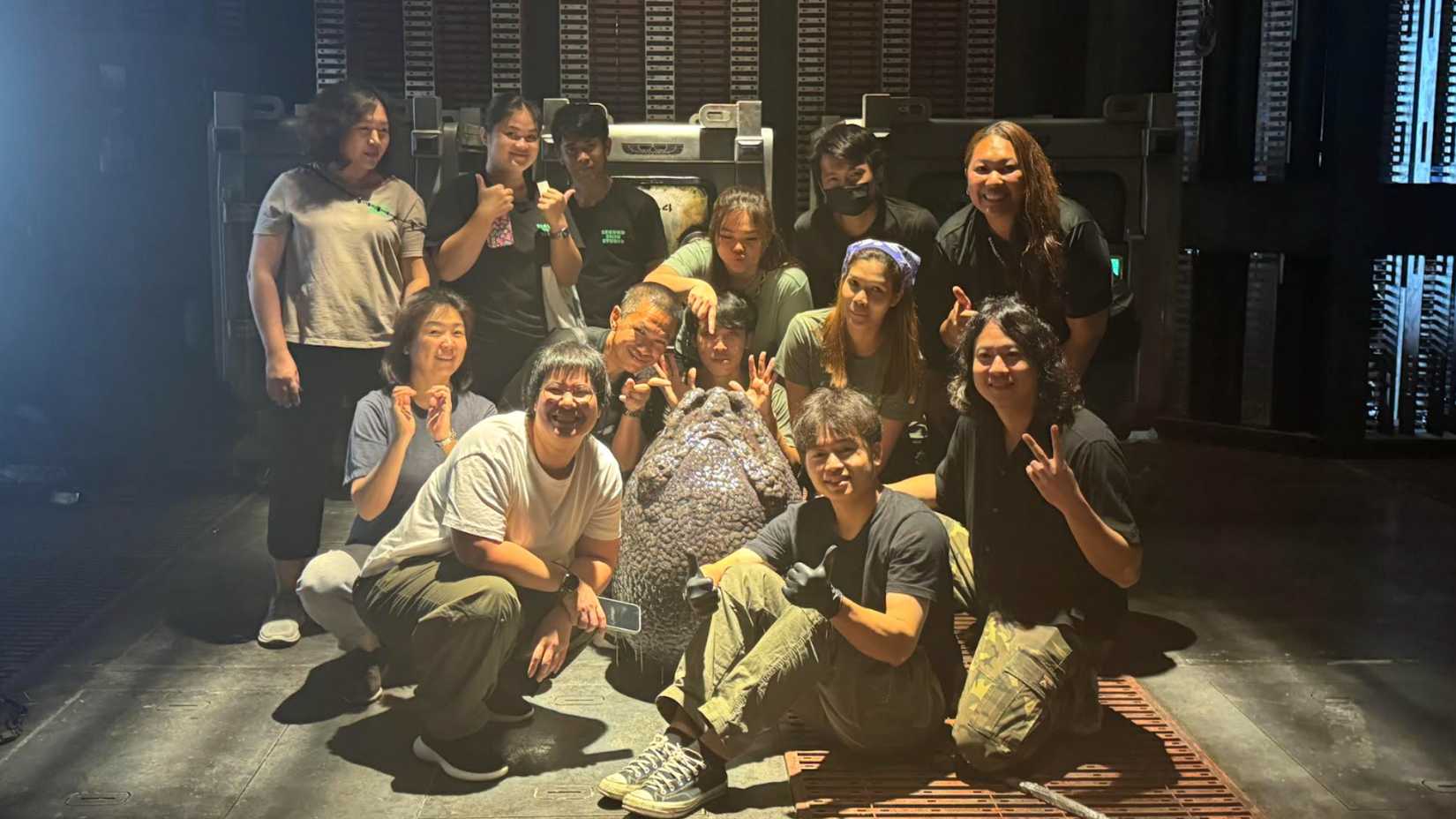
Honey: Personally, the largest challenge resided in designing and constructing the Xenomorph eggs. The Second Skin team developed several variations — some that were soft, some that were hard, a version capable of opening, and even animatronic and manually-controlled eggs. We innovated in a way that, I believe, the audience has never witnessed in any previous Alien films through developing the internal components of the eggs. In addition to that, preserving the integrity of the eggs in Thailand’s sweltering climate was quite the feat.
Which non-Xenomorph creature is your favorite?
Tor: I am partial to the fly. Its sheer size is oddly endearing – stout and solid, reminiscent of a giant beetle. The elephant-like trunk and spider-esque eyes make it peculiar yet likable.
Honey: Most certainly the Eye Midge. It is among the most ingenious creatures. Despite the extensive use of VFX, the practical version that we developed possessed both a cute and bizarre quality.
Which scene involving the creatures from this season of Alien: Earth is your personal favorite?
Tor: It has to be the Eye Midge with Shmuel. It was exciting, and from my side, a combination of prosthetics and creature work; something we’re proud of.
Honey: My favored scene centers around the fly ejecting acidic saliva onto Isaac. As Isaac is a synthetic constructed for enhanced resilience, observing his reactions to the acid underscores the creature’s biology and its overwhelming power.
What was the process of developing new alien creatures for Alien: Earth, involving such a large, international team, like? Was there extensive communication with the show’s creators?
Honey: The process from my viewpoint was highly collaborative. Although the director and Wētā Workshop initiated the creature concepts, it was our responsibility to transform those designs into practical constructs. Material testing, prototype development, and melding prosthetics with visual effects were all part of it. Substantial communication ensued with both the director and the VFX Supervisor—we showed tests, implemented feedback, and refined aspects until all parties were satisfied that the creature was both realistic and production-ready. It was an exciting challenge turning a 2D design into a tangible creation.
Do you have any creature concepts that didn’t make the cut for season 1 that you are interested in developing in future seasons of Alien: Earth?
Tor: Indeed, there were some ideas we developed that never made it into the season one production.
Honey: True, several ideas did not make it to season 1. Hopefully, we’ll have the chance to bring them alive if a second season is approved. Maybe even something more terrifying that will utterly stun viewers. We eagerly anticipate that opportunity.