
The Rise of Decentralized Autonomous Organizations (DAOs): A New Era of Governance and Decision-Making
The world of blockchain and cryptocurrency has given birth to a new concept that is revolutionizing the way we think about governance, decision-making, and community engagement: Decentralized Autonomous Organizations, or DAOs. In this article, we will delve into the world of DAOs, exploring their definition, history, benefits, and potential applications.
What is a DAO?
A DAO is a digital organization that operates on a blockchain network, allowing for decentralized, autonomous, and transparent decision-making. It is a self-governing system that uses smart contracts to execute rules and regulations, eliminating the need for a central authority or intermediary. DAOs are typically created to serve a specific purpose, such as managing a community, governing a protocol, or facilitating a particular type of transaction.
History of DAOs
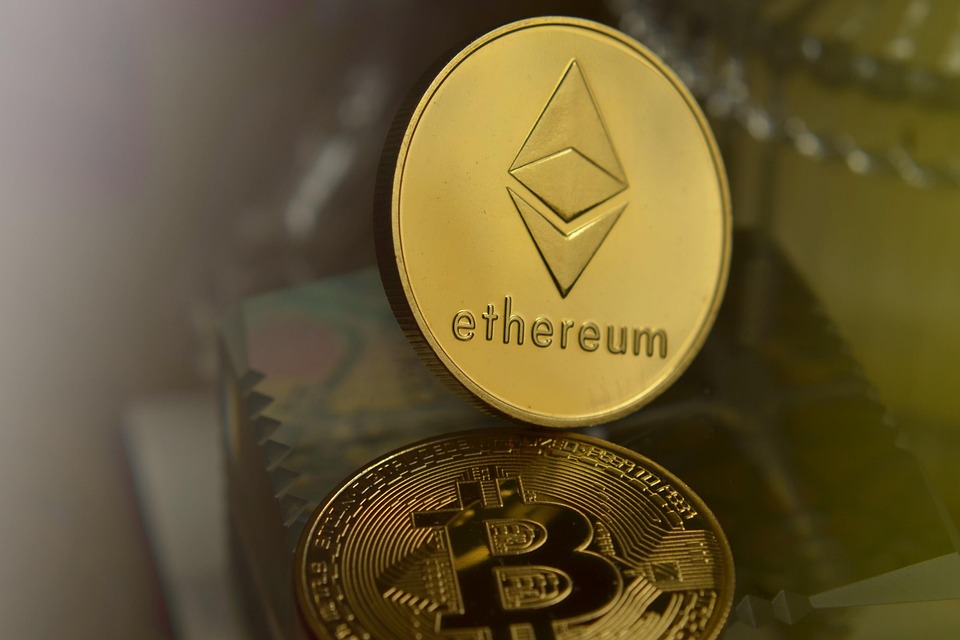
The concept of DAOs was first introduced in 2016 by Vitalik Buterin, the founder of Ethereum, who proposed the idea of a decentralized autonomous organization that could operate on the Ethereum blockchain. The first DAO, called “The DAO,” was launched in May 2016 and was designed to allow investors to vote on proposals for funding various projects. Although The DAO was hacked and ultimately failed, it paved the way for the development of more sophisticated and secure DAOs.
Benefits of DAOs
DAOs offer several benefits over traditional organizations, including:
- Decentralization: DAOs are decentralized, meaning that decision-making power is distributed among stakeholders, rather than being controlled by a single entity.
- Autonomy: DAOs operate autonomously, using smart contracts to execute rules and regulations, eliminating the need for intermediaries.
- Transparency: DAOs are transparent, with all transactions and decisions being recorded on a public blockchain.
- Security: DAOs are secure, using advanced cryptography and smart contracts to protect against hacking and other forms of exploitation.
- Community engagement: DAOs allow for community engagement and participation, enabling stakeholders to contribute to decision-making and shape the direction of the organization.
Applications of DAOs
DAOs have a wide range of potential applications, including:
- Governance: DAOs can be used to govern communities, protocols, and other types of organizations, allowing for decentralized and autonomous decision-making.
- Finance: DAOs can be used to create decentralized financial systems, such as lending platforms, prediction markets, and decentralized exchanges.
- Social impact: DAOs can be used to create social impact initiatives, such as charitable organizations, environmental projects, and community development programs.
- Art and culture: DAOs can be used to support art and cultural initiatives, such as decentralized museums, galleries, and performance venues.
Challenges and Limitations
While DAOs offer many benefits and opportunities, they also face several challenges and limitations, including:
- Scalability: DAOs can be slow and cumbersome, making it difficult to scale to large numbers of users.
- Regulation: DAOs operate in a regulatory gray area, making it unclear how they will be treated by governments and regulatory bodies.
- Security: DAOs are vulnerable to hacking and other forms of exploitation, highlighting the need for advanced security measures.
- Governance: DAOs require effective governance structures and decision-making processes, which can be challenging to establish and maintain.
Conclusion
DAOs represent a new era of governance and decision-making, offering a decentralized, autonomous, and transparent alternative to traditional organizations. While they face several challenges and limitations, the potential benefits and applications of DAOs are vast and exciting. As the technology continues to evolve and mature, we can expect to see DAOs play an increasingly important role in shaping the future of communities, finance, social impact, art, and culture.