
Analysis by: Joshua Chu, Co-Chairman of the Hong Kong Web3 Association
Hong Kong’s LEAP Digital Assets Policy Statement 2.0, unveiled recently, generated considerable buzz. The Hong Kong government pledged a thorough regulatory structure to harmonize licensing procedures and broaden the spectrum of tokenized offerings.
However, beneath the surface of promotional activities lies a development of greater significance: China, possessing the world’s second-largest cryptocurrency reserves, has declared its intention to liquidate seized digital currencies through licensed Hong Kong exchanges. These seemingly independent occurrences are components of a carefully constructed strategy by China. This coordinated plan aims to establish Hong Kong as the preeminent virtual asset hub and China’s key market operator for crypto assets.
Strategic Convergence: Hong Kong is on the verge of becoming the region’s central digital asset location. Yet, more importantly, it will function as the cornerstone of China’s global ambitions: a cryptocurrency safeguard, a vehicle for market pricing, and a strategic command center for the flow of crypto liquidity into and out of China.
Regulatory Underpinnings
The LEAP policy of Hong Kong garners many headlines, but a deeper analysis is necessary to fully grasp the strategy. The genuine impact of these policy choices lies in the influx of liquidity that China’s cryptocurrency liquidation choice will inevitably generate, giving Hong Kong significant influence over global virtual asset markets.
The framework for Hong Kong’s regulations can be traced back to 2022 with amendments made to the Anti-Money Laundering and Counter-Terrorist Financing Ordinance (AMLO). After the Securities and Futures Commission gained experience, virtual asset trading platforms (VATPs) were officially brought under its purview via the AMLO mandatory licensing regime. This decisive action aligned the region with Financial Action Task Force (FATF) benchmarks and marked the initial pivotal law for digital assets.
The forthcoming Stablecoin Ordinance, scheduled to take effect on August 1, 2025, is another essential piece of legislation. This will establish a specific licensing system for issuers of stablecoins pegged to fiat currencies. The Hong Kong Monetary Authority (HKMA) is responsible for supervising this system. It mandates one-to-one reserves, solid redemption protocols, and stringent risk management measures.
In June 2025, the introduction of the LEAP Digital Assets Policy Statement 2.0 enhanced Hong Kong’s framework. LEAP unifies licensing, expands the range of tokenized products, and promotes cross-industry cooperation and talent development. Surpassing standard regulatory modifications mandated by FATF, LEAP is meant to be the architecture that will “elevate Hong Kong to the forefront of global digital asset leadership,” signaling its commitment to the future of digital assets.
However, regulations alone are not enough to drive markets. Liquidity is the determining factor.
China’s strategy to distribute confiscated digital assets through Hong Kong’s authorized VATPs will provide valuable liquidity to the ecosystem. This move is more than FATF compliance, it’s a smart strategy. By facilitating controlled sales of seized cryptocurrency, Hong Kong can function as a market-pricing mechanism, capable of quickly balancing supply and demand, which significantly impacts the value of virtual assets.
Liquidity as a Strategic Asset
Liquidity is critical to market health. Markets, even the most complex, will fail without liquidity. Consider the London Stock Exchange.
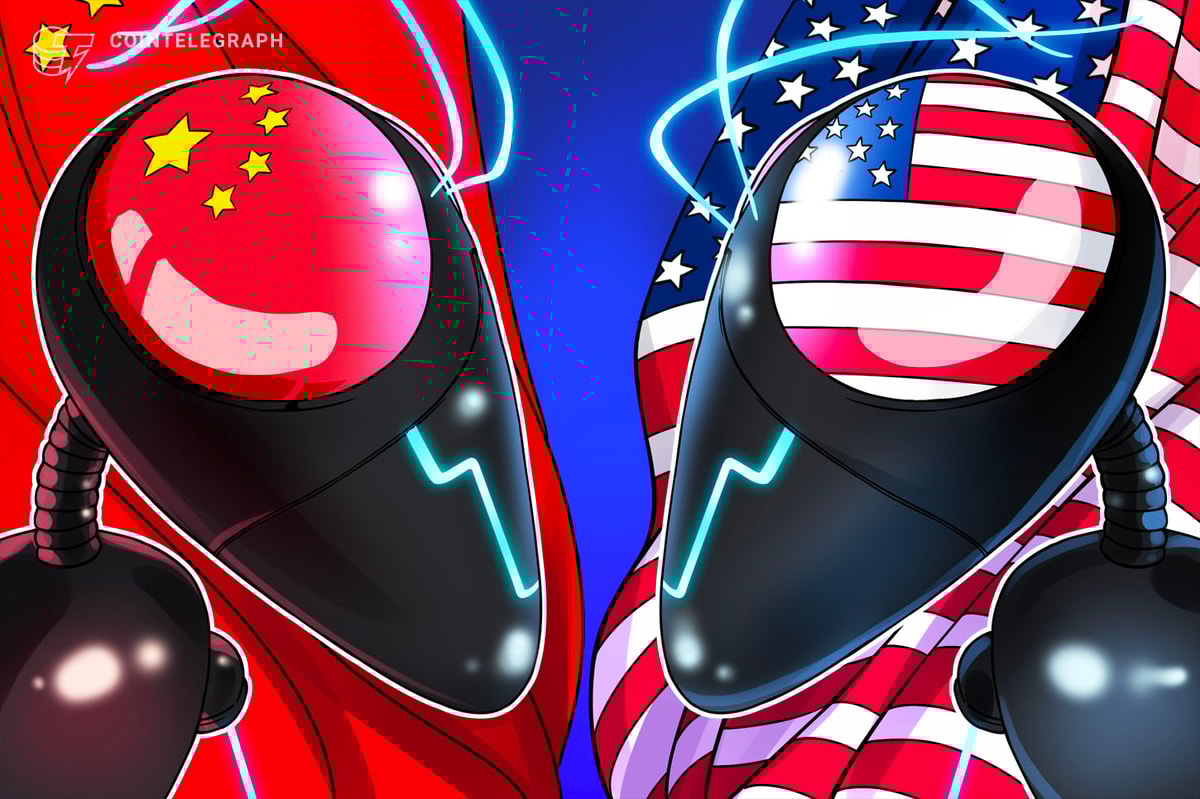
Under China’s broader strategy, the liquidity introduced into Hong Kong’s exchanges will transform seized assets into active market liquidity. The United States, in contrast, possesses a vast Strategic Bitcoin Reserve but adheres to a rigid “hold-only” policy. This arrangement empowers Hong Kong, and thereby China, to influence prices, stabilize markets, and counter geopolitical challenges as desired.
Just as China secured advantages in recent trade negotiations with the US via control of rare earth metals, controlling crypto liquidity will also control the value of the U.S.’s newly formed crypto reserves.
This demonstrates a subtle but considerable change in power. When a country can control liquidity flows, it can control market narratives and results.
Implications and Responses
This overarching strategy fundamentally reshapes the power balance within the cryptocurrency sphere. Hong Kong will have a significant advantage in drawing institutional investment and deepening market liquidity, utilizing its distinctive role as the pipeline for China’s crypto liquidation operations.
Meanwhile, by scaling “Hong Kong to new heights of global digital asset leadership,” China will possess a robust geopolitical instrument, capable of managing global cryptocurrency valuations via calculated market liquidity administration.
The U.S. will subsequently confront a strategic challenge: should it persist with a passive cryptocurrency stockpile with minimal market influence? Or should the U.S. explore novel methods to counteract Hong Kong’s increasing dominance over cryptocurrency liquidity?
For market participants, legal professionals, risk assessors, and policymakers, grasping the dynamics of this interaction is crucial. After all, compliance frameworks must be modified to tackle the increased scrutiny and perils linked to liquidity-driven market fluctuations. Risk management strategies that anticipate volatility from liquidity flows and a clear understanding of liquidity control’s effect on market stories and outcomes are critical.
Liquidity and data are vital to Web3 markets. While Hong Kong’s LEAP policy has garnered media attention, China’s cryptocurrency liquidation and injection policy represents the true strategy. The market price will be greatly impacted in Hong Kong, and liquidity will become an unparalleled tool.
Compared to the United States, which is limited by a “hold-only” reserve strategy and cannot easily change market liquidity or respond to price volatility.
Even with developed rules, Singapore’s market size is limited, and Dubai, while ambitious, faces inconsistent regulatory oversight and high operating costs that impede rapid expansion. Hong Kong is “well-positioned.” China is also delivering every liquidity card.
Consequently, the city’s specific mix of developed regulatory structures, direct access to the world’s second-largest cryptocurrency holdings, and discretion to use such liquidity strategically offers it an unrivaled competitive edge in the Web3 ecosystem. Hong Kong can rapidly alter global cryptocurrency prices, attract institutional investment, and support innovation in a stable, investor-friendly environment.
Liquidity is the best source of power. Grasping this multilayered approach is critical for those seeking to navigate the quickly evolving digital asset world with insight. Failure will lead to being outpaced.
Analysis by: Joshua Chu, Co-Chairman of the Hong Kong Web3 Association.
This article is provided for informational purposes only and should not be regarded as legal or investment advice. The views and opinions expressed are solely those of the author and do not reflect the views of Cointelegraph.