
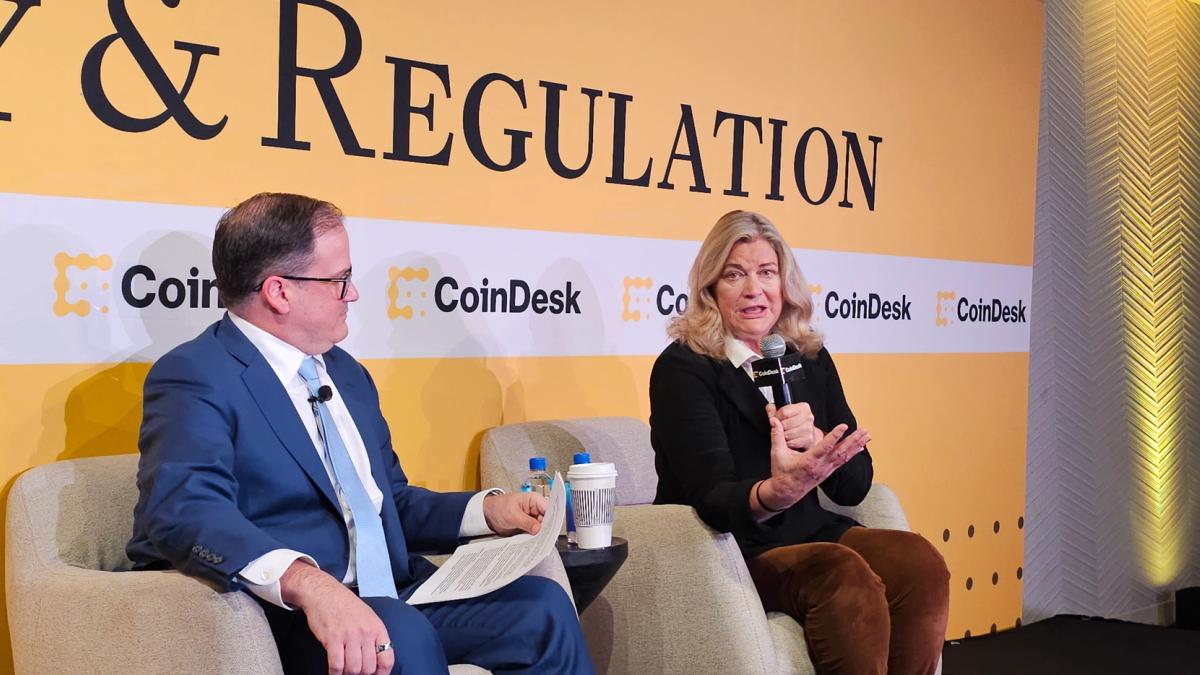
The legislation in question emerged as a collaborative effort, evolving from approximately 300 pages to a substantial 600 pages after Democrats requested additional provisions, including protections related to bankruptcy among other concerns.
“Not a single Democrat supported it; every one of them voted no. I notice some narratives following the vote trying to place blame on figures like Brian Armstrong or suggesting the industry was too forceful, or even pinning it on President [Donald] Trump for profiting from a memecoin prior to his presidency,” she stated.
In a financial disclosure made mid-year in 2026, Trump disclosed earnings of $1.4 billion from his various cryptocurrency activities throughout 2025, marking the inaugural year of his presidency.
Lummis acknowledged on Tuesday that she appreciated the efforts of Democrat Senators Angela Alsobrooks and Kirsten Gillibrand—who has been her longstanding collaborator in advancing cryptocurrency legislation—for acting as “honest brokers” during the bill’s negotiations.
Perspectives from the House
Earlier that day, House Financial Services Committee Chairman French Hill and Congressman Ritchie Torres addressed the unsuccessful vote on the Clarity Act during another session.
Both legislators asserted that the Clarity Act, or a revised version of it, remains important for future considerations.
“In my view, the Clarity Act provided definitive legal certainty regarding both the Howey test and fundraising issues, as well as the treatment of code developers. Thus, we should focus on how to achieve bipartisan support to pass this legislation, rather than lamenting the failure of a cloture vote in the Senate, since we require that certainty,” Hill expressed.