

The computational challenge for Bitcoin (BTC) mining soared to a record 127.6 trillion this week. However, forecasts suggest a slight easing during the upcoming difficulty recalibration scheduled for August 9.
Current projections indicate a decrease of roughly 3%, bringing the mining difficulty down to approximately 123.7 trillion in the next adjustment phase. According to data from CoinWarz, the average time to mine a new block presently stands at around 10 minutes and 20 seconds.
Analysis from CryptoQuant reveals that the mining difficulty experienced a decline in June, with a notable decrease observed from the end of the month into the initial weeks of July, reaching a low of 116.9 trillion. Nevertheless, the difficulty metric has since resumed its long-term trajectory upwards during the latter part of July.
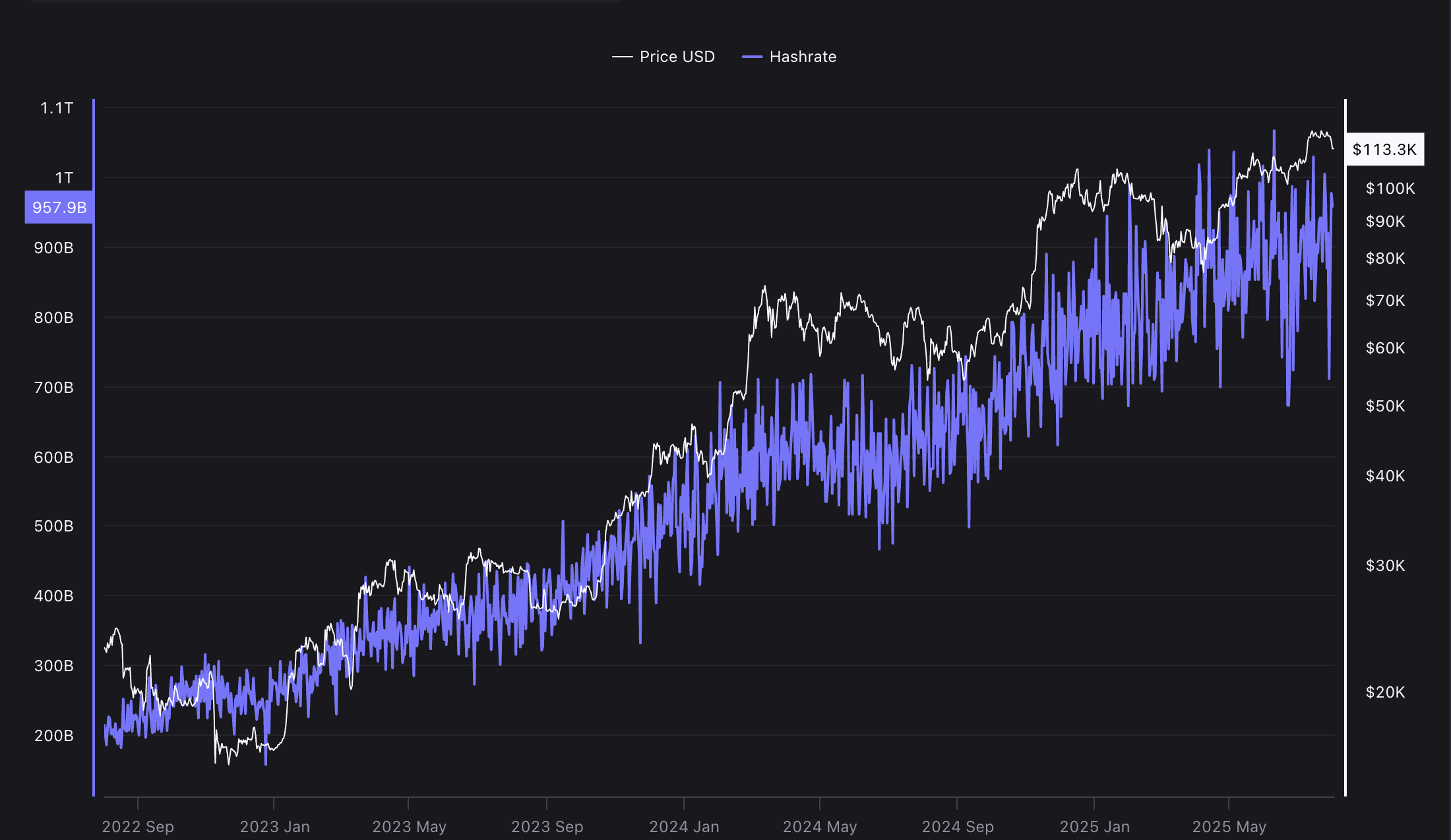
Bitcoin mining difficulty, along with the network’s hashrate – representing the total computational power dedicated to securing the Bitcoin blockchain – plays a vital role in the profitability of miners and maintaining Bitcoin’s strong stock-to-flow ratio, which serves as a buffer against overproduction-induced price declines.
CryptoQuant
Related:
A lone Bitcoin miner secures a substantial $373,000 block reward
Bitcoin’s Difficulty Adjustment Mechanism and the Stock-to-Flow Ratio
The stock-to-flow ratio is a metric that compares the existing supply of an asset, be it financial or commodity-based, to the rate at which new supply is generated, for instance, through mining or production processes.
A higher stock-to-flow ratio signifies greater resilience to price volatility arising from excessive production, while a lower ratio implies increased susceptibility to price fluctuations caused by the influx of newly created supply.
This concept partly elucidates silver’s diminished role compared to gold. Silver’s stock-to-flow ratio is lower than gold’s. Increased silver prices encourage greater mining efforts and production, leading to a market surplus that ultimately drives prices down.
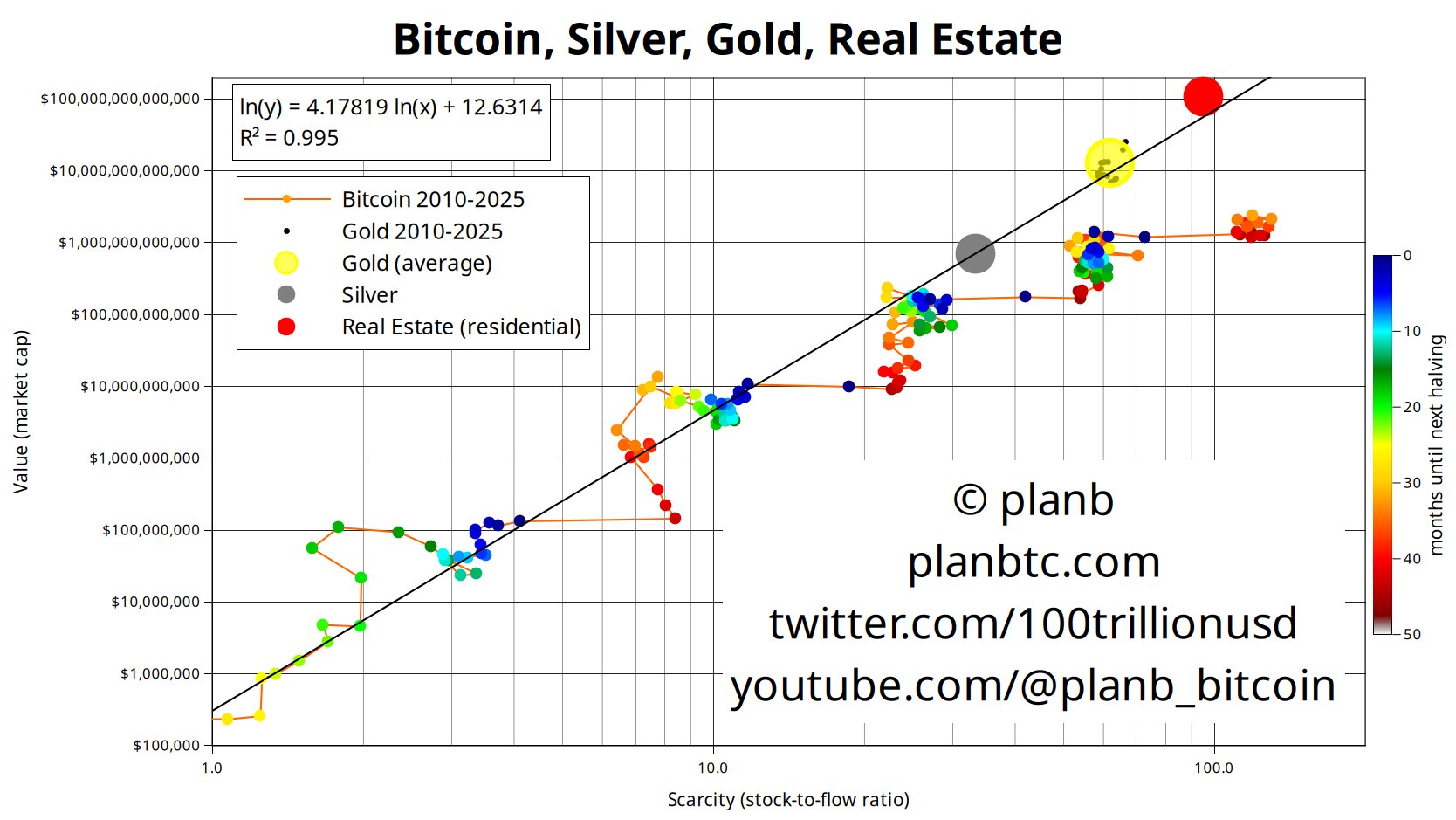
Bitcoin boasts a superior stock-to-flow ratio compared to gold. Approximately 94% of the total 21 million BTC supply is already in circulation. In contrast, gold lacks a defined supply limit, and its inflation rate hovers around 2% annually.
PlanB
“Gold’s scarcity, reflected in its stock-to-flow ratio, is roughly 60. Bitcoin’s scarcity reaches around 120. Consequently, Bitcoin is twice as scarce as gold,” according to PlanB, the creator of the Bitcoin stock-to-flow pricing model.
The difficulty adjustment feature renders Bitcoin’s price less susceptible to production increases. The rate of new Bitcoin creation stays in line with the collective computing power employed by miners.
This adjustment mechanism prevents excessive production and subsequent price crashes caused by a sudden oversupply of new Bitcoin hitting the market in a short timeframe.
CryptoQuant
As more computational resources are allocated to securing the Bitcoin network, the difficulty level automatically rises to align with the increased computing power, maintaining block production as close as possible to the protocol’s target of 10 minutes per block.
Conversely, should the computing power decrease, the network difficulty will adjust downwards, ensuring that new blocks continue to be mined at a consistent pace of approximately 10 minutes.
Magazine:
Bitcoin facing the quantum computer challenge: A timeline and proposed solutions (2025-2035)