

DoubleZero, a specialized high-speed network crafted to boost blockchain transaction speeds through dedicated fiber-optic lines, has officially initiated its mainnet-beta phase. Coinciding with this launch is the public availability of its native token, which fuels operations within the network.
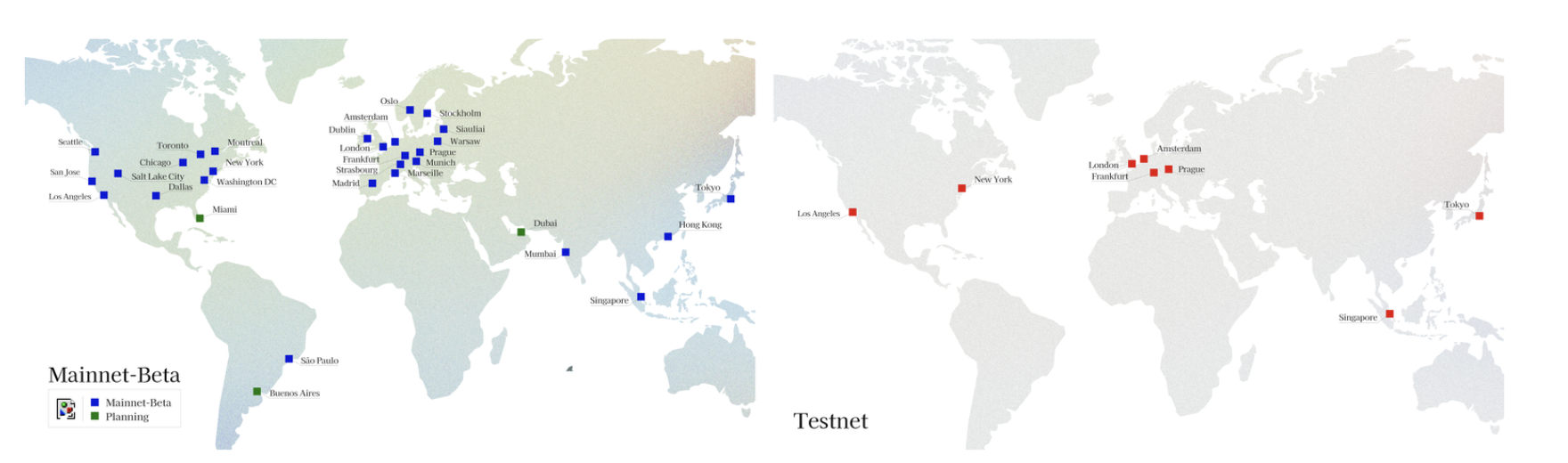
DoubleZero’s decentralized physical infrastructure network (DePIN) boasts over 70 direct, rapid communication pathways connecting 25 global locations. This setup directly routes blockchain data, minimizing delays and enhancing overall throughput.
According to DoubleZero’s founder, Austin Federa, the conventional internet presents a significant hurdle for blockchain technology. In a May interview with Cointelegraph, Federa noted the public internet wasn’t designed to handle the demands of decentralized consensus models due to interference from general web traffic like streaming and online gaming. He stated:
“The inherent limitation of the standard internet is its design. It was originally conceived for a model where a powerful server communicates with simpler clients, not for the intricate requirements of modern distributed systems.”
DoubleZero’s deployment of a specialized, rapid communication network for blockchain and cryptocurrency indicates a maturing industry. This move represents a step away from sole reliance on the public internet and its inherent restrictions on decentralized digital networks.
Related: SEC Affirms DePIN Tokens Fall Outside Regulatory Boundaries
SEC Clarifies Position on DePIN Token Regulation
In a noteworthy development for blockchain-based DePIN projects, the U.S. Securities and Exchange Commission (SEC) issued a favorable no-action letter on Monday regarding DoubleZero’s proposed token launch.
SEC Commissioner Hester Peirce explained, “Participants who operate nodes, offer data storage, or contribute bandwidth are rewarded accordingly. These tokens do not represent equity in a company, nor do they promise returns derived from the management’s activities.”
She further elaborated, “These projects allocate tokens as compensation for services rendered or tasks completed,” arguing that DePIN node operators function more as independent business owners than as investors in securities.
The SEC’s no-action assurance paves the way for DoubleZero’s public token launch, subsequent to its earlier funding round for validators held in April.
This decision also signals a significant shift from the SEC’s previous stance, which involved classifying a large number of crypto tokens as securities and initiating legal actions against crypto ventures introducing innovative products not easily categorized under existing asset frameworks.
Under the leadership of former Chairman Gary Gensler, the SEC’s enforcement actions have reportedly cost crypto entities at least $426 million in legal expenses, as reported by the Blockchain Association.
Magazine: Are Most Hyped DePIN Projects Actually Utilizing Blockchain? A Critical Look.