
Key Points
- Uganda’s central digital currency is secured by government bonds and accessible on mobile devices.
- Kenya’s proposed crypto law awaits presidential approval after passing through parliament.
- Sub-Saharan Africa saw $205 billion worth of crypto activity between mid-2024 and mid-2025.
- The number of crypto users in Africa is predicted to surpass 75 million by 2026.
Uganda has begun a trial program for its own central bank digital currency (CBDC), a significant step forward in its digital finance plans. This occurs as interest in digital currencies rises throughout Sub-Saharan Africa. Simultaneously, Kenya is on the verge of enacting essential legislation to oversee the cryptocurrency sector. These events highlight the region’s changing digital landscape and a growing embrace of blockchain technology.
Uganda’s CBDC Experiment and Asset Tokenization
Uganda has launched a CBDC pilot as part of a broader strategy to modernize its financial system. The digital version of the Ugandan shilling is backed by government bonds and operates on a controlled blockchain network.
This initiative aims to improve financial transparency and accessibility. The CBDC can be used through smartphones, potentially expanding financial services to underserved areas.
The test program adheres to local and international guidelines, including Know Your Customer (KYC) and Anti-Money Laundering (AML) regulations. GSN, a company specializing in blockchain financial infrastructure, has teamed up with Uganda’s Diacente Group to tokenize $5.5 billion worth of physical assets. This project focuses on industries such as agriculture, mining, and green energy.
Kenya’s Crypto Law Approaching Final Stage
In neighboring Kenya, the Virtual Asset Service Providers (VASP) bill has cleared its final reading in parliament and now awaits President William Ruto’s signature to become law. The bill aims to establish a regulatory environment for cryptocurrency exchanges, brokers, and digital wallet providers. The law also includes provisions for protecting consumers and designates the Central Bank of Kenya as the supervisory body for payments and custody operations.
The proposed law aligns with global standards, including KYC and AML measures. It also contains clauses to prevent misleading advertising and impose penalties for violations. Once enacted, this bill will provide a clear regulatory framework for Kenya’s expanding crypto market.
Growing Crypto Popularity in Sub-Saharan Africa
Uganda and Kenya are both part of the rapidly growing crypto ecosystem in Sub-Saharan Africa. According to Chainalysis, a blockchain analytics firm, the region experienced a $205 billion surge in on-chain value between July 2024 and June 2025. Countries like Nigeria, South Africa, and Ghana are also at the forefront of crypto adoption, with Uganda ranking seventh in the region for overall transaction volume.
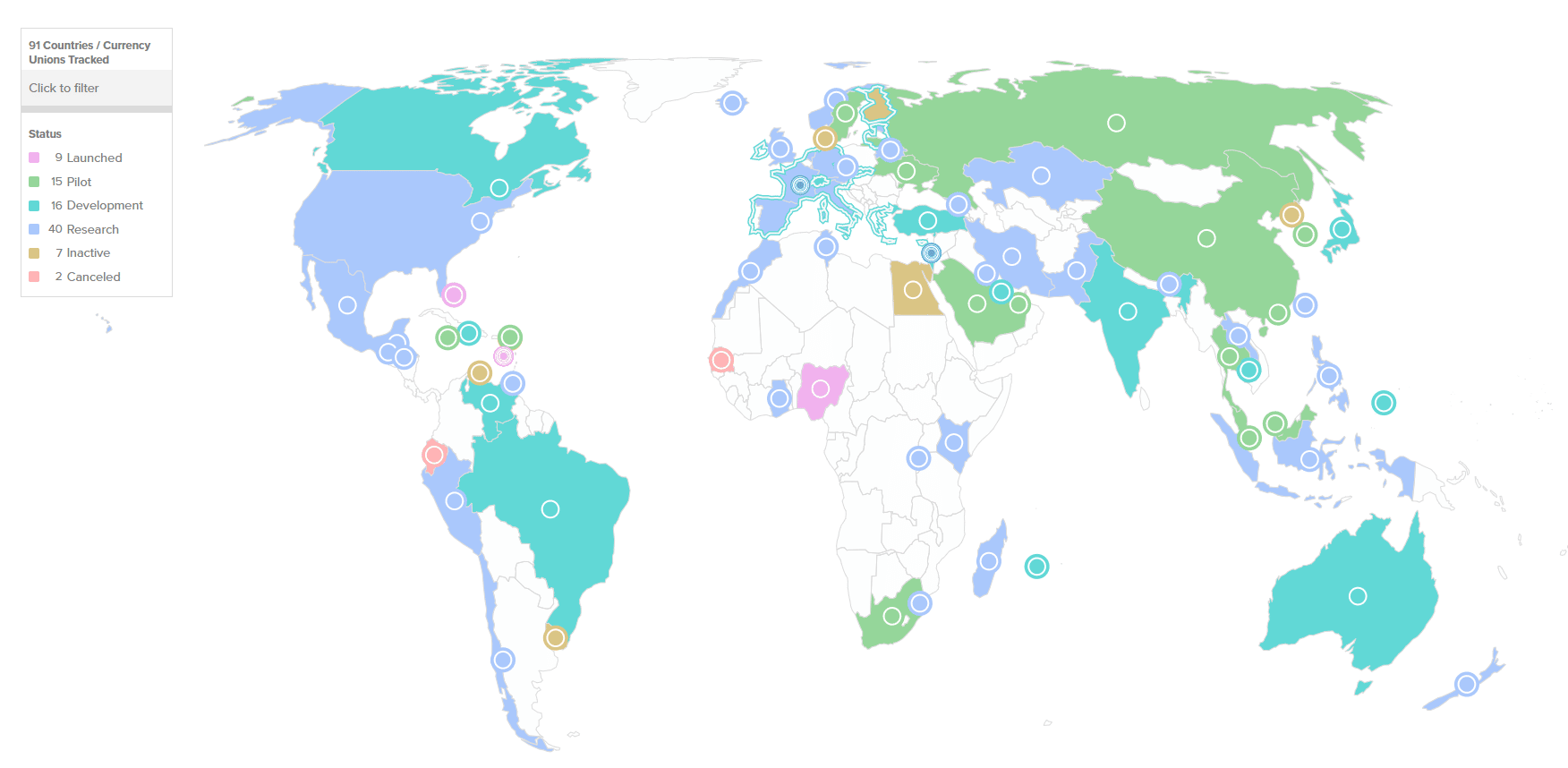
As blockchain technology and digital currencies gain momentum, many African countries are exploring the possibilities of CBDCs. While Nigeria was the first African nation to introduce a CBDC in 2021, other countries like Ghana and South Africa have also conducted CBDC trials. Conversely, Kenya and Rwanda are still in the research phase but are anticipated to launch in the coming years.
The Future of Digital Finance Across Africa
The initiatives in Uganda and Kenya highlight a broader move toward digital finance across Africa. As blockchain technology becomes more ingrained in the financial system, countries are positioning themselves to attract new investments and foster economic development. Tokenization of assets, alongside CBDCs, can improve transparency and provide industries with access to new avenues for funding.
With a growing user base in the digital currency arena, Africa’s digital asset market is projected to achieve substantial growth. Statista predicts that over 75 million people in Africa will be involved in cryptocurrency by 2026, generating an estimated revenue of $5.1 billion. This expansion could further solidify the region’s position as a significant player in the global blockchain and cryptocurrency space.