
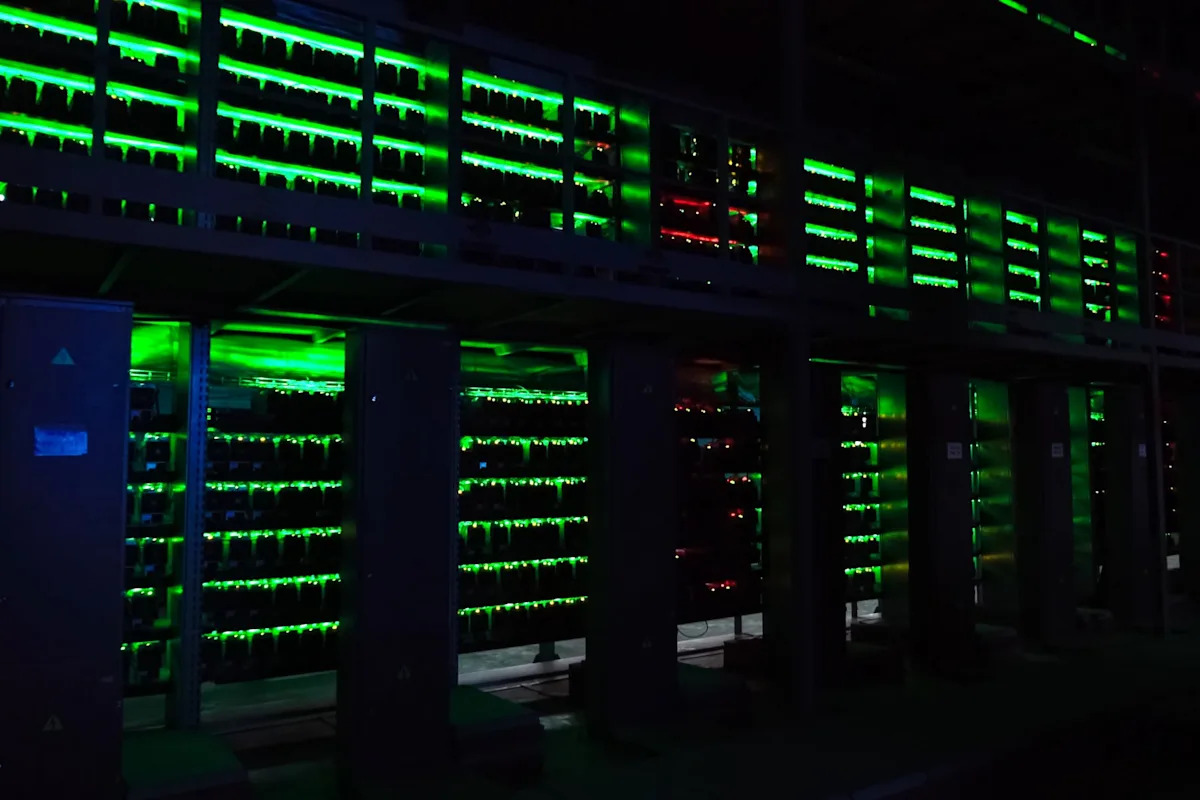
The practice of Bitcoin mining is notorious for its heavy energy demands, consuming vast amounts of power annually, exceeding the total electricity usage of numerous nations. To lessen the ecological consequences of this digital process, an increasing number of miners are exploring renewable energy options, according to The Shib. Nevertheless, the industry’s overall effect on the environment remains a serious concern.
Examining the Environmental Toll of Bitcoin Mining
Mining Bitcoin necessitates a continuous flow of electricity to operate powerful computer systems without interruption. A considerable portion of this energy originates from the combustion of fossil fuels, resulting in the emission of harmful gases that contribute to global warming.
Research published in Nature Communications reveals that approximately 85% of the electricity powering some of the largest cryptocurrency mining operations in the United States is derived from polluting fossil fuels.
The Importance of Addressing Bitcoin Mining’s Ecological Impact
The U.S. Energy Information Administration estimates that Bitcoin and other cryptocurrency mining activities could consume as much as 2.3% of the total electricity used in the United States. This places strain on the power grid, potentially requiring infrastructure improvements to accommodate its extensive energy needs. In some regions, this translates to increased electricity costs for local consumers.
Furthermore, the environmental impact of Bitcoin mining extends to air quality. The combustion of fossil fuels in these operations results in air pollution that can have detrimental effects on human health.
The authors of the Nature Communications study noted that approximately 1.9 million Americans were exposed to at least 0.1 μg/m3 of additional PM2.5 pollution originating from Bitcoin mines, often located hundreds of miles away from the impacted communities.
Check out: Giant snails are invading New York City!
PM2.5 refers to particulate matter with a diameter of 2.5 micrometers or less. Inhaling these particles is associated with respiratory and cardiovascular ailments and, in certain instances, premature mortality.
Bitcoin mining also contributes significantly to climate change. One study revealed that the cryptocurrency sector is responsible for up to five times more carbon emissions than traditional financial currencies.
This occurs at a crucial time, as scientists from the Intergovernmental Panel on Climate Change have emphasized the need for “substantial reductions” in harmful carbon emissions, according to Scientific American.
Mitigating Energy Consumption in Bitcoin Mining
The environmental implications of Bitcoin mining are valid and demand attention. However, the industry is beginning to demonstrate encouraging progress toward more sustainable solutions.
The Shib reported that the situation is more optimistic than commonly perceived, highlighting the industry’s initial efforts to incorporate cleaner energy sources.
This statement holds merit. The Cambridge Digital Mining Industry Report indicates a rise in the adoption of renewable energy in Bitcoin mining. Currently, approximately 42.6% of the energy utilized in the sector comes from renewable resources, such as wind and hydroelectric power.
Several mining facilities have already transitioned to cleaner energy alternatives, and more are expected to follow. For instance, Soluna, a developer specializing in sustainable data centers, has acquired 60 acres of land in Texas to construct a data center powered by a nearby wind farm.
Adopting renewable energy sources represents a sound investment for the future. Although Bitcoin mining has more ground to cover in minimizing its overall environmental footprint, the industry is moving in a positive direction.
Subscribe to our free newsletter for inspiring stories and practical advice, and discover amazing suggestions for helping yourself and the planet!