
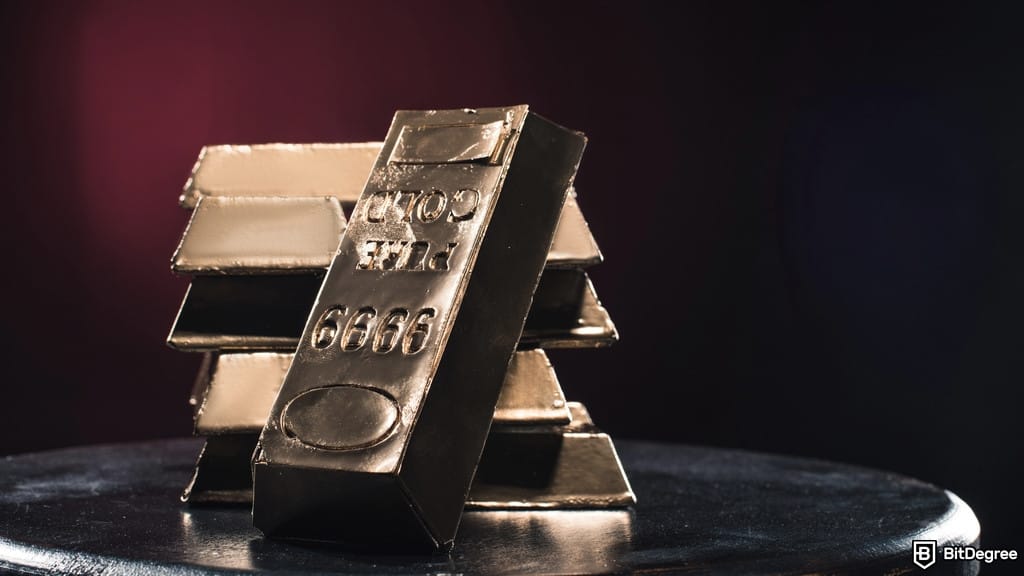
A recent analysis by Deutsche Bank, published on October 9th, reveals a growing trend: global central banks are consistently adding to their gold reserves.
This accumulation is inviting comparisons to the performance of
Data from the second quarter shows gold comprising 24% of central bank holdings, a level unseen since the 1990s. Deutsche Bank’s experts point out that current gold acquisition rates are roughly double the average annual figures observed between 2011 and 2021.
Did you know?
Subscribe – We publish new crypto explainer videos every week!
Crypto Fees Explained: How Not to Overpay? (Animated)

The report suggests a compelling reason for the parallel appeal of gold and Bitcoin: both are perceived as safe havens in uncertain economic times, serving as alternatives to fiat currencies.
The strong performance of Bitcoin in 2025 mirrors this renewed interest in gold. The Deutsche Bank team identifies common drivers for both assets: a preference for assets with limited supply, a hedge against potential inflation, and growing institutional demand for diversifying risk across various asset classes.
The report also highlighted the factors that delayed gold’s rise to its inflation-adjusted peak.
Several elements contributed to this lag, including sustained gold sales by central banks over previous years, limitations on institutional ownership of gold, and the evolution of a monetary system primarily based on paper currency.
Recently, analysts have been sharing their perspectives on Bitcoin’s growth trajectory following its record-breaking high of around $125,700. Intrigued by their forecasts? Read the full story for in-depth analysis.